
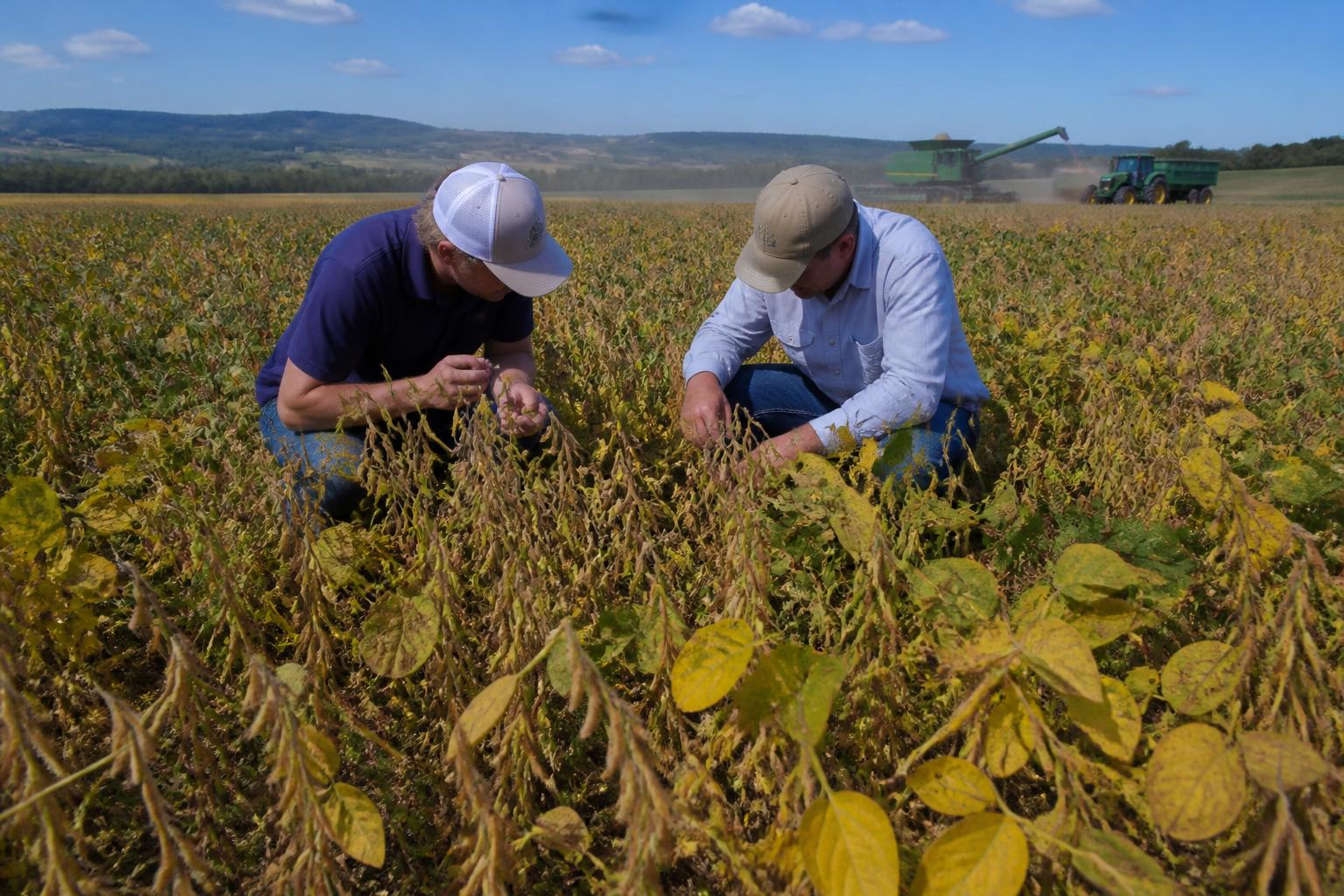
As the Alabama agricultural season transitions through its final stages of harvest, producers are sharpening their focus on field logistics and infrastructure management. With the current fall climate influencing both equipment mobility and post-harvest storage, the ability to maintain a consistent flow from field to elevator is paramount. Many growers in the state are balancing these seasonal pressures with the ongoing need to manage input costs and protect crop yields from late-season stressors.
For those managing large-scale operations across the state's diverse geography, optimizing transport efficiency is critical. Whether navigating field access in the Black Belt or managing logistics near coastal processing hubs, infrastructure reliability dictates the pace of the harvest cycle. Producers who leverage strategic transport solutions often see improved margins by minimizing equipment downtime and ensuring timely commodity delivery.
Managing Ongoing Crop Protection
While the harvest moves forward, safeguarding remaining yields remains a central concern. Agricultural research continues to highlight the importance of proactive management strategies. For example, staying updated on developments in local crop health, such as monitoring specific pest activity or managing wildlife interference, can significantly impact overall farm health. These efforts are part of a broader commitment to utilizing data-driven approaches to navigate modern farming challenges.
Infrastructure and Future Planning
Investment in the Alabama agricultural supply chain remains a key indicator of long-term sector health. Recent initiatives, including significant facility upgrades by major agribusinesses, suggest a commitment to bolstering domestic capacity for critical inputs like herbicides. Producers should keep a close watch on how these advancements in infrastructure and technology align with their personal operational goals as they move into the off-season planning phase.
What it means for the market
The current market environment reflects a shift toward operational resilience. By focusing on efficient logistics, proactive crop protection, and leveraging new infrastructure, Alabama producers are better positioned to mitigate the impacts of fluctuating input costs. As the season winds down, prioritizing these core operational pillars will be essential for stabilizing farm income and preparing for the upcoming cycle.
Comments
No comments yet - be the first to share your take.