
Adapting to a Warming Illinois Landscape
As we move through the heat of July, Illinois growers are once again reminded of the critical role weather plays in operational success. High temperatures can act as a hidden tax on productivity, often impacting both yield potential and the operational costs associated with ag transport and supply chain logistics. Managing field conditions during these peak summer months requires careful monitoring of plant stress and equipment efficiency.
Niche Opportunities in Traditional Corridors
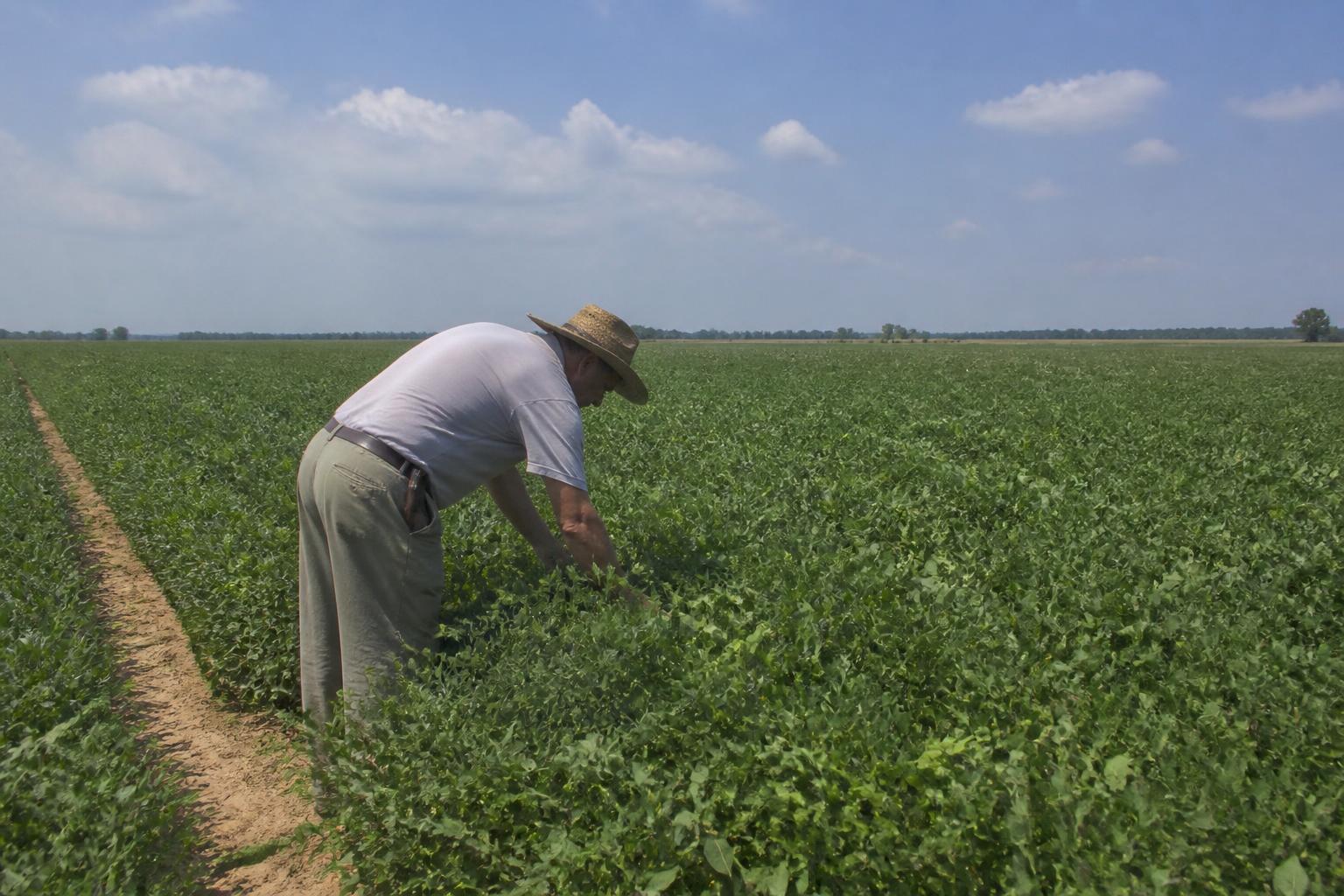
While the state remains a powerhouse for corn and soybean production, recent observations indicate that some producers are testing the limits of local growing environments by experimenting with non-traditional crops, such as peanuts. This shift serves as a reminder of the evolving nature of Illinois agriculture. As growers look toward future planting seasons, incorporating diversification may offer a hedge against the volatility often associated with commodity markets and regional weather patterns.
Navigating Seasonal Logistics
For those managing input supplies and grain storage, the current heat brings added pressure to transportation corridors. Maintaining equipment is essential when dealing with high-traffic periods, especially as farm businesses prepare for the upcoming harvest window. Ensuring that logistics chains remain resilient is paramount to avoiding bottlenecks that can arise during periods of extreme heat.
Key Takeaways
- Extreme heat impacts both operational costs and potential crop development.
- Diversification into specialty crops is being explored in limited instances across the state.
- Proactive equipment maintenance remains a priority to mitigate mid-summer breakdown risks.
What it means for the market
The convergence of extreme weather pressures and the emergence of niche agricultural experiments underscores a broader trend of adaptation among Illinois agribusinesses. Producers who prioritize climate-resilient planning and maintain flexible logistics strategies are better positioned to navigate the economic uncertainties brought on by shifting seasonal conditions.
Comments
No comments yet - be the first to share your take.