
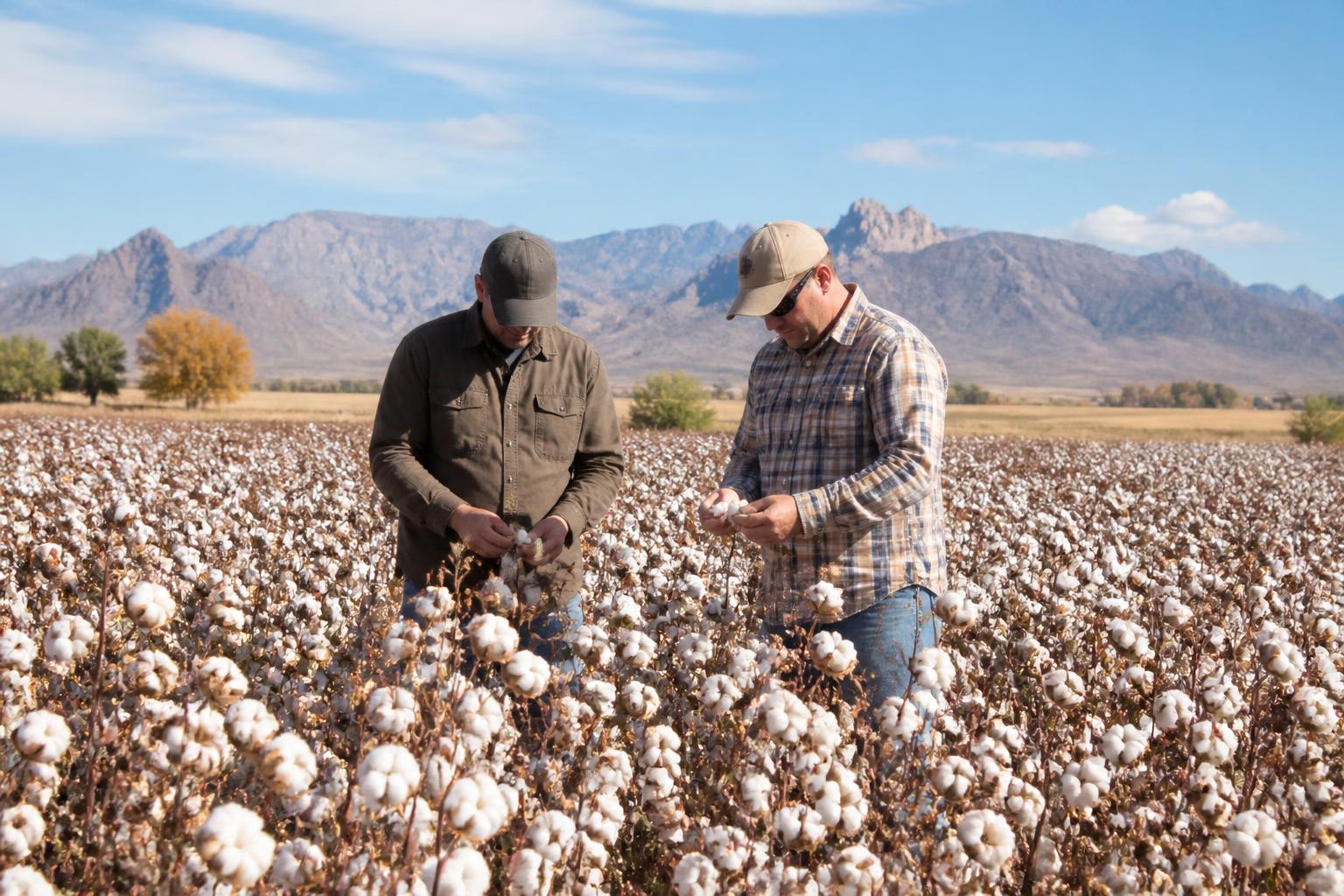
Producers across Arizona are currently navigating a complex fall season characterized by persistent environmental and economic headwinds. While the state remains a vital hub for produce and fiber, the lingering effects of regional drought continue to impact soil health and water management strategies. Farmers are encouraged to monitor field conditions closely as they work to balance moisture retention with the immediate demands of the harvest cycle.
Operational efficiency is becoming increasingly critical as logistical pressures shift. For those managing cotton acreage, vigilance regarding crop quality remains a priority. The use of targeted biological interventions, such as AF36, is often recommended to mitigate the risks associated with aflatoxin, a recurring concern for Arizona cotton growers during dry periods.
Input Costs and Economic Headwinds
Beyond the field, the volatility in global commodity markets is being felt at the local level. Recent disruptions in international trade corridors have introduced upward pressure on fertilizer prices, a trend that could impact bottom-line projections for the upcoming planting cycle. Agribusinesses throughout the state are keeping a close watch on these global shifts, as they often correlate with localized increases in input expenses.
For operations looking to optimize their logistics, staying informed on current fall operational shifts is essential to maintaining margins. Ensuring that regional transport remains fluid is vital, particularly as the state continues to refine its logistical approach to managing seasonal challenges in infrastructure and supply chain movement.
Research and Innovation in the Desert
Despite these challenges, there is continued investment in long-term stability for Arizona agriculture. Recent leadership transitions at the Central Arizona Project signal a focus on continuity in water management, while academic research continues to explore dual-use solutions. Projects evaluating the integration of solar energy within agricultural landscapes are gaining interest, potentially offering new ways to increase production efficiency while shading sensitive crops from the intense desert sun.
What it means for the market
For growers and agribusiness stakeholders, the current climate demands a proactive approach to risk management. With input costs remaining sensitive to global events and water availability fluctuating due to regional drought, securing supply chains early and focusing on high-yield, high-resilience practices will be the primary drivers of profitability throughout the remainder of the year.
Comments
No comments yet - be the first to share your take.