
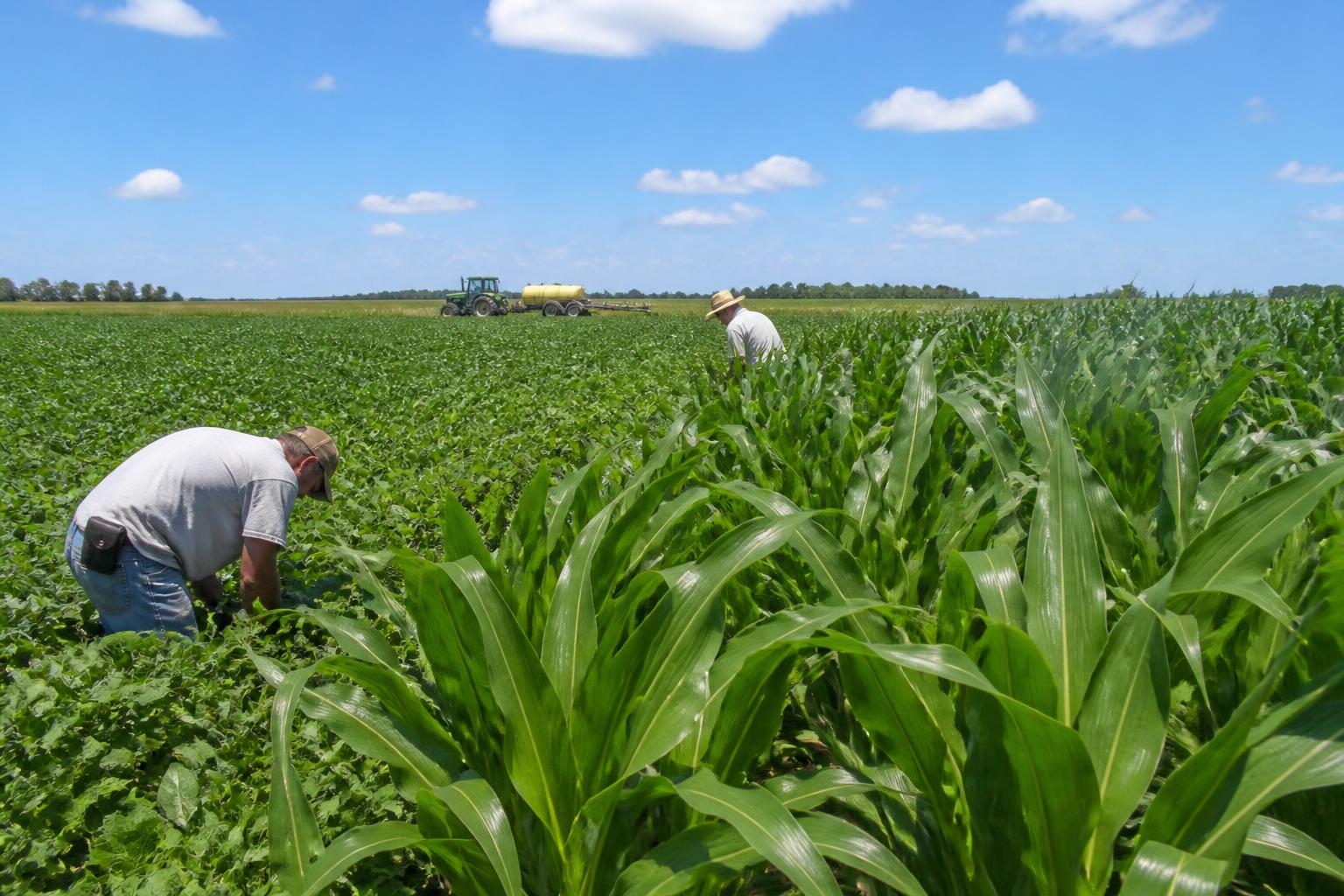
As we move through the heat of mid-summer, agricultural markets are adjusting to the latest data from federal reporting agencies. Recent updates have shown shifting forecasts for major crops, creating a volatile environment for grain handlers and producers across the country. In the high-desert landscapes of Nevada, these national market fluctuations often ripple down to local operations, where input costs and supply chain logistics remain top of mind for growers.
Monitoring Market Volatility and Local Inputs
For Nevada agribusinesses, the current focus is on maintaining efficiency amid a changing price landscape. While national production estimates for corn and soybeans may fluctuate, local producers often find that managing niche market potential amid mid-summer crop cycles provides a buffer against broader commodity volatility. Staying informed on the latest crop outlooks is essential as harvest approaches, and regional elevators are increasingly emphasizing the need for flexible storage and marketing strategies.
Operational Resilience in Nevada Agriculture
Logistics in the Silver State require a unique approach, particularly with regional infrastructure challenges that can influence the movement of grain and agricultural inputs. Producers should continue to leverage available digital tools, such as the recently launched rangeland management mobile applications, to keep a close eye on field conditions and grazing potential. Efficient resource management is critical, especially as water conservation remains a priority in the region due to ongoing limitations in major water basins like Lake Mead.
Key Takeaways for Producers
- Stay updated on federal crop projections to anticipate regional price impacts.
- Prioritize efficient storage solutions for grain to navigate potential market swings.
- Utilize localized data tools to manage rangeland and input resources effectively during the summer months.
What it means for the market: Producers should remain prepared for price swings as the market digests updated production reports. By focusing on site-specific management and maintaining lean, responsive supply chains, Nevada growers can better navigate the complexities of this summer season while keeping an eye on long-term profitability.
Comments
No comments yet - be the first to share your take.