
Global Market Pressures Hit Home
Delaware producers are currently operating in a climate of heightened uncertainty as international trade disruptions and shifting commodity data impact local pricing strategies. Recent volatility in grain markets has been driven in part by concerns over export demand and the long-term implications of USDA data reporting updates. For growers across Kent and Sussex counties, these macro-level shifts can complicate the decision-making process for the remainder of the season, particularly when balancing local basis levels against broader futures price movements.
Furthermore, international supply chain sensitivities—specifically regarding fertilizer inputs—are being watched closely. While some regions report a stabilization in fertilizer costs, global trade tensions continue to cast a shadow over availability and pricing, necessitating a proactive approach to procurement. Those looking to manage their input costs effectively should stay informed about mid-summer fertilizer inventory trends before heading into the next cycle.
Prioritizing Operational Safety
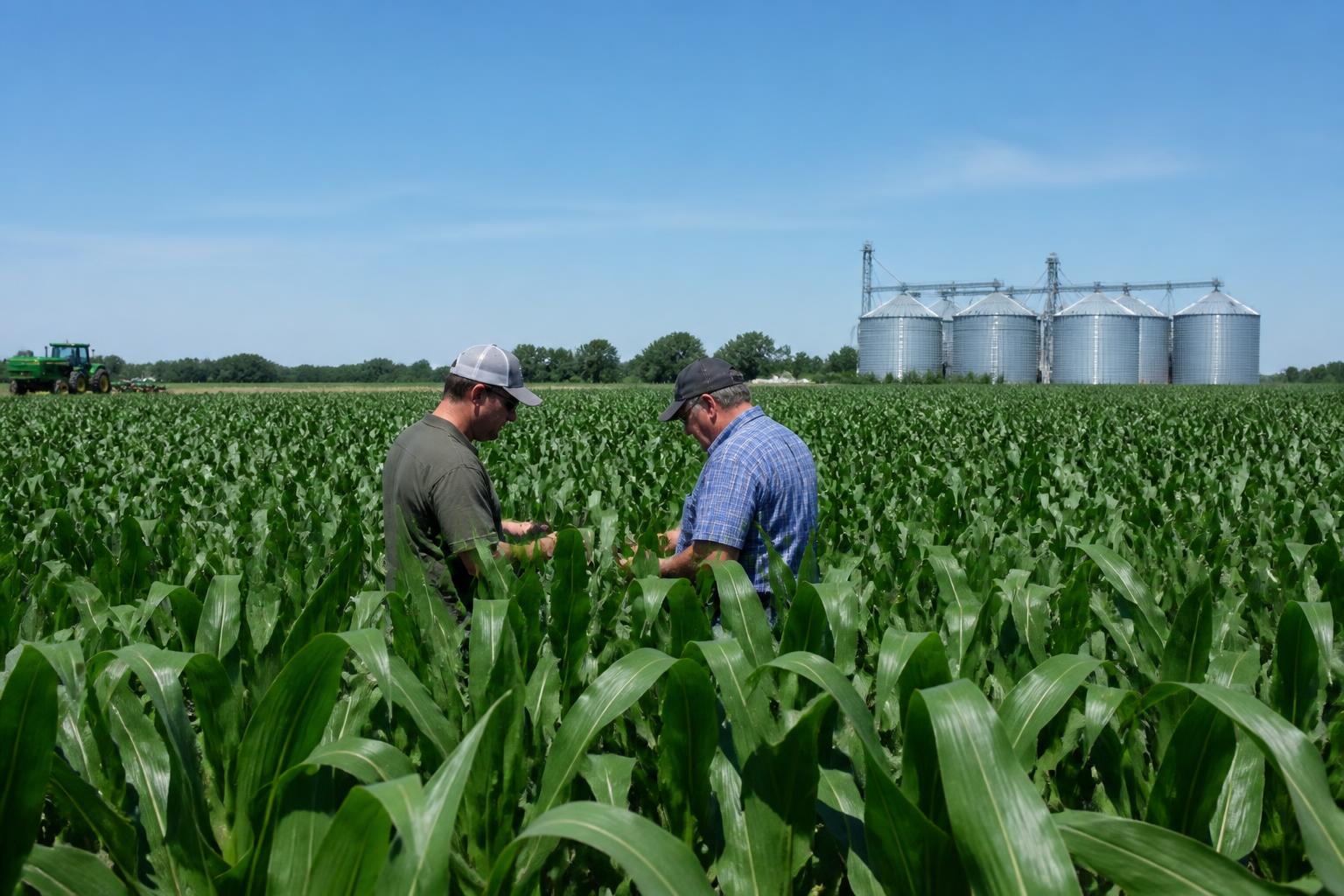
As field work continues throughout the summer, safety remains the most critical aspect of farm management. The recent, tragic reports of accidents involving grain storage structures in our region serve as a stark reminder of the inherent risks associated with grain handling. Whether utilizing on-farm bins or coordinating with local elevators, it is essential for all operators to maintain strict safety protocols during maintenance and loading activities. Ensuring that equipment is in optimal condition and that all personnel are trained on standard operating procedures can prevent avoidable hazards during busy periods.
What it means for the market
The convergence of unpredictable export demand, patent litigation within the herbicide sector, and ongoing logistics demands creates a complex environment for Delaware agribusiness. For the local elevator operator and the family farm alike, the current market underscores the importance of maintaining flexible marketing plans and prioritizing physical safety over speed. While local growing conditions may vary, the ability to pivot in response to changing global trade signals will be a key differentiator for successful operations through the rest of the year.
Comments
No comments yet - be the first to share your take.