Nebraska Harvest Outlook: Managing Tar Spot Pressures and Shifting Logistics
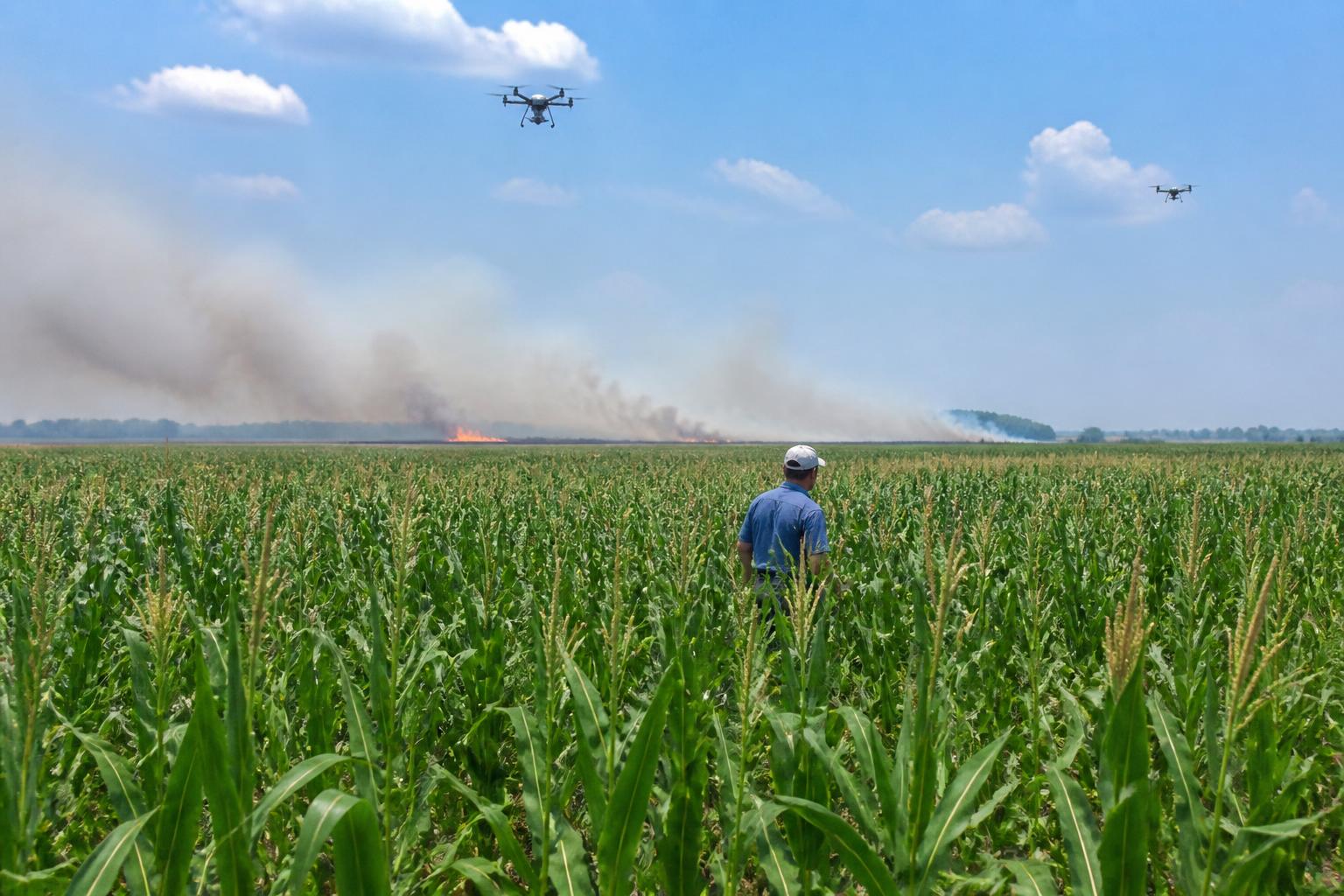
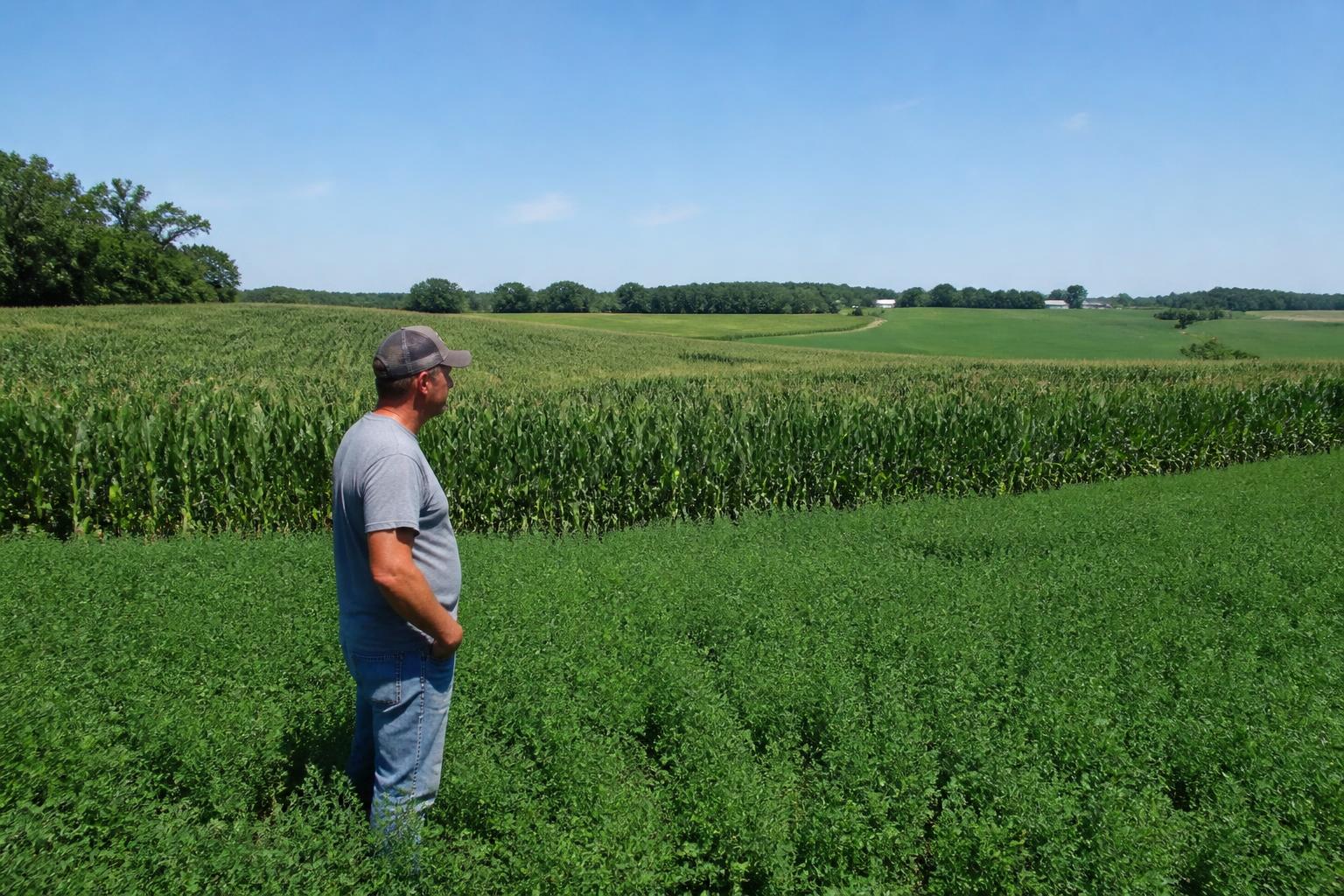
Nebraska producers are entering the fall harvest season balancing rising concerns over crop health with evolving market conditions and logistical hurdles.
We collect original digests and analytical notes based on facts, market signals and verified sources.
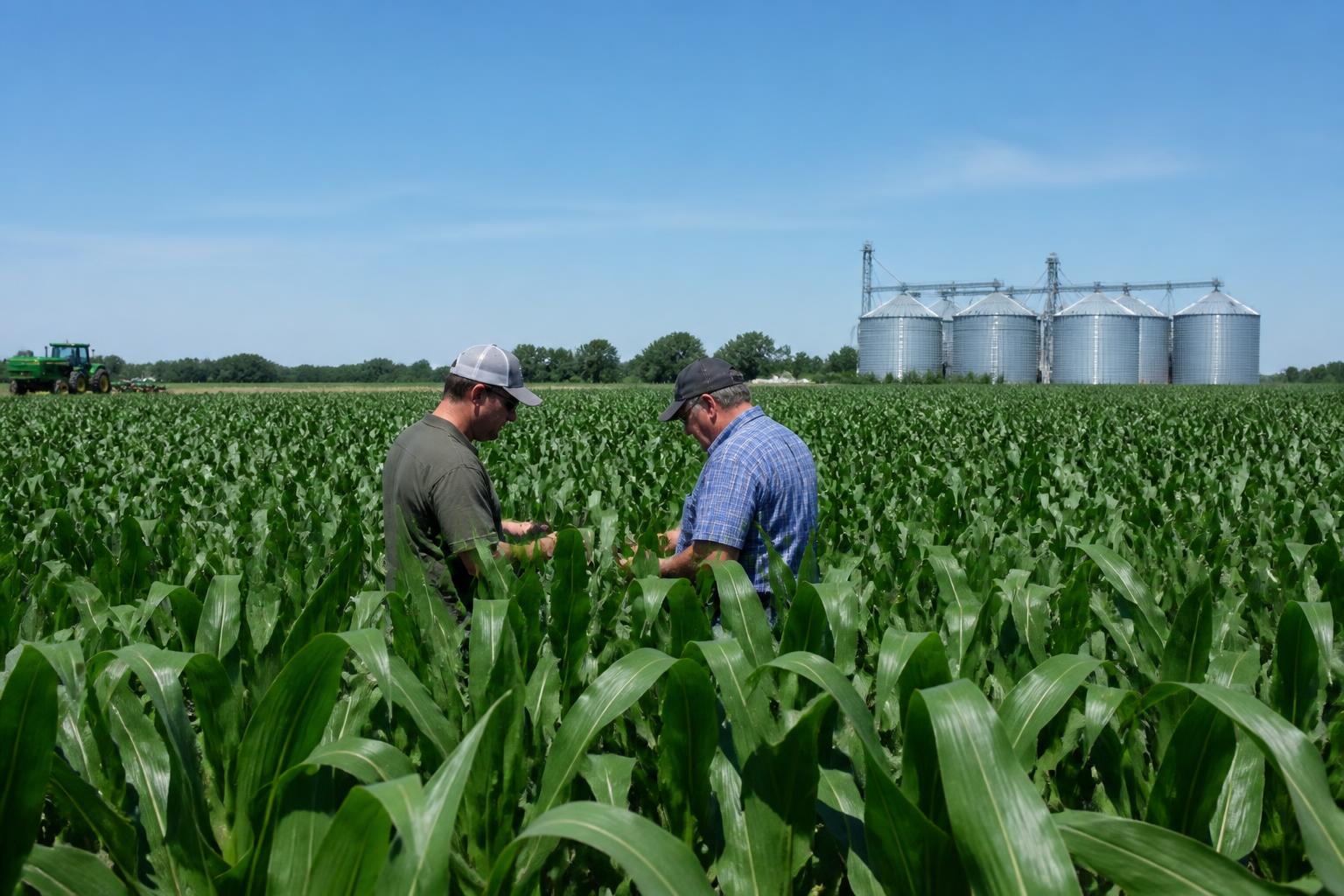
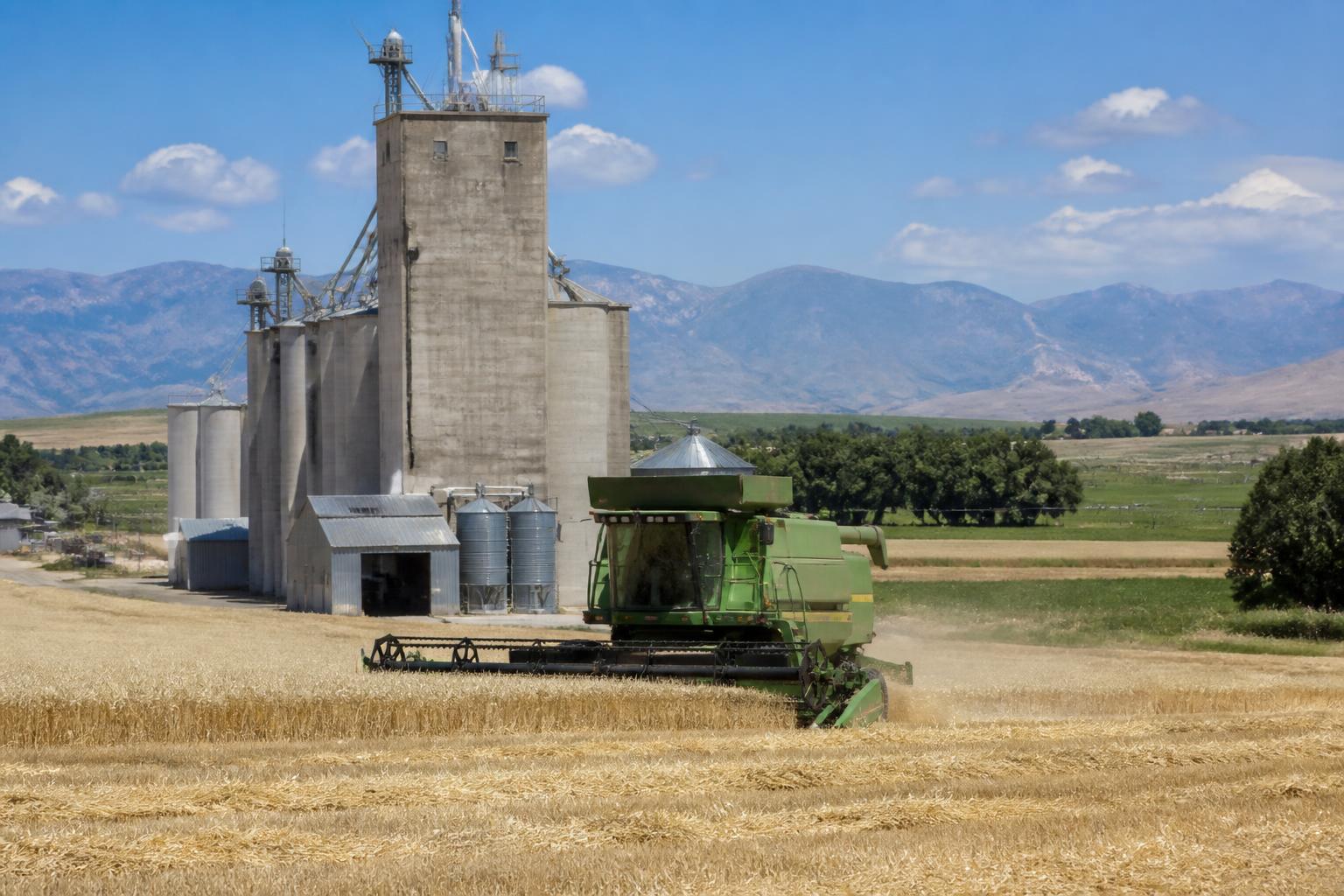
As fall harvest approaches, Massachusetts producers are balancing grain storage readiness with broader market trends in equipment automation and supply chain shifts.
Nebraska producers are entering the fall harvest season balancing rising concerns over crop health with evolving market conditions and logistical hurdles.
As fall harvest approaches in Colorado, producers are balancing drought-related operational hurdles with broader economic shifts affecting regional land and machinery investments.
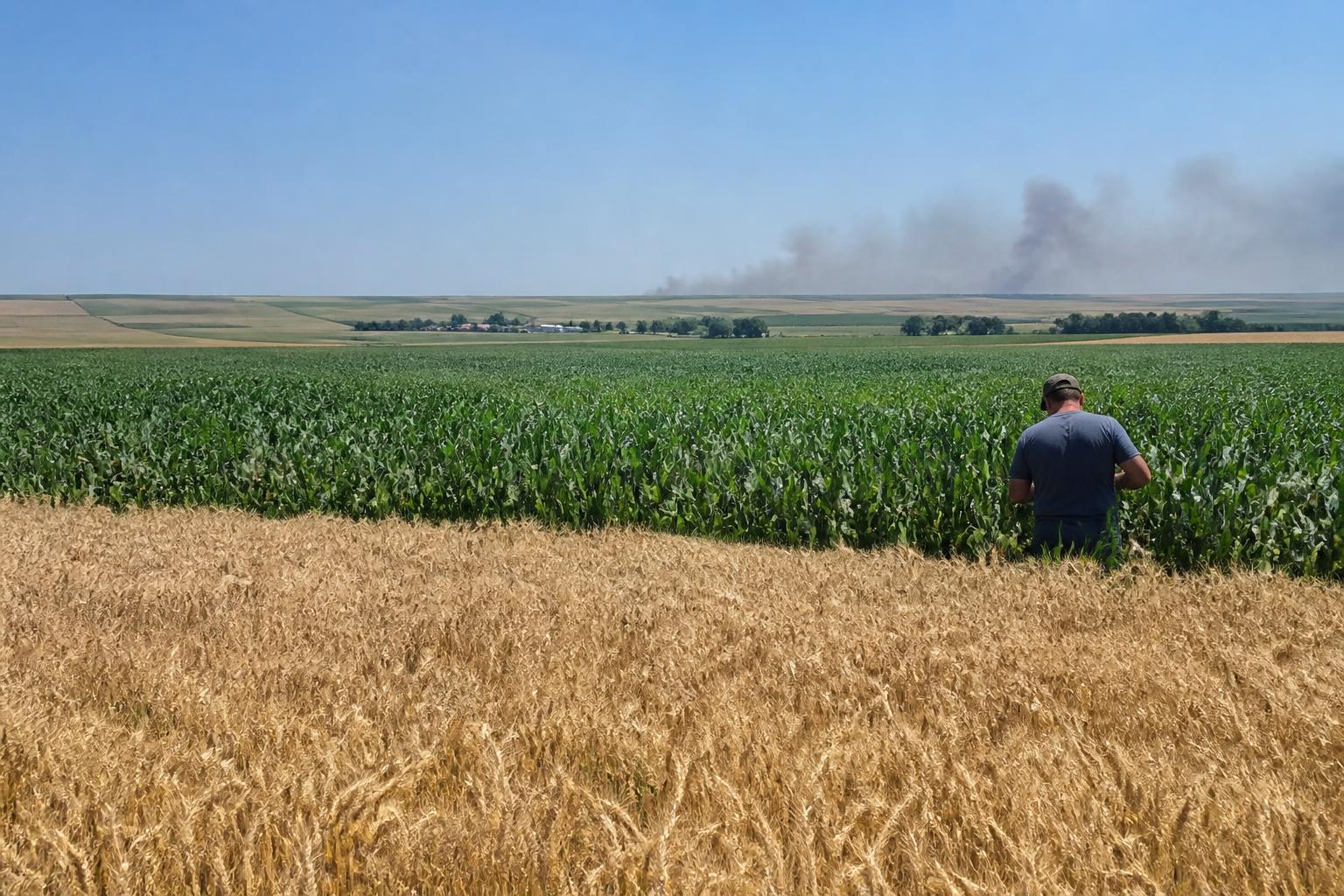
As late summer grain activity accelerates in Nebraska, producers and shippers are balancing fluctuating commodity bids with ongoing supply chain and regulatory challenges.
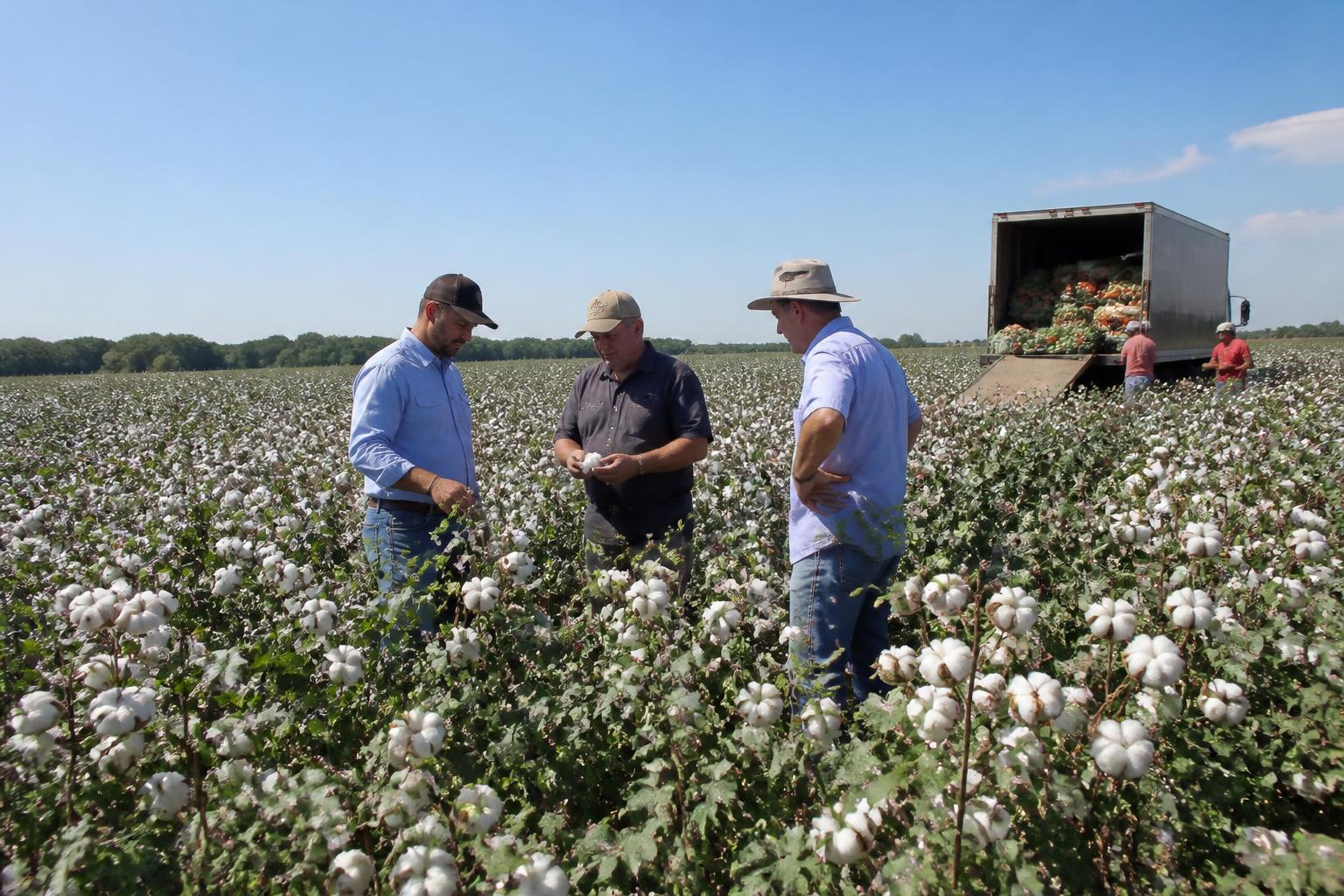
Oklahoma producers face evolving policy discussions regarding fertilizer reporting and continue to leverage local cotton variety trials to optimize summer output.
Maine farmers are navigating a challenging summer season defined by extreme weather, shifting corporate consolidation, and persistent market volatility.
As Tennessee grain markets face seasonal price pressures and mounting stockpiles, producers are focusing on storage strategies and contract management to maintain operational efficiency.
Louisiana producers face a mixed market landscape as harvest approaches, characterized by shifting basis levels and ongoing logistics pressures.
As Delaware farmers manage summer field activities, shifting global trade patterns and regional logistics challenges remain top of mind for grain marketing and safety.
Louisiana producers are managing significant environmental and biological stressors this summer as they navigate volatile market data and shifting climate patterns.
As Connecticut moves through mid-July, producers are navigating shifting grain futures alongside local operational challenges, including rising input costs and wildlife management.
As Montana producers move through the mid-summer stretch, focus shifts toward managing variable input costs and adjusting to localized infrastructure changes that impact regional grain movement.
As Kansas farmers navigate a complex summer, balancing optimistic production yields against evolving infrastructure and long-term climate projections remains a top priority.
Sign in to manage requests, save contacts and respond to market offers quickly.
Continue with Google Continue with MicrosoftSign in to manage requests, save contacts and respond to market offers quickly.
Continue with Google Continue with MicrosoftEnter your email and we will send a password reset link.
Don't have an account?
We value your privacy
We use cookies to run the site and, with your consent, to measure traffic (Google Analytics) and personalize ads. You can accept, reject, or choose. Privacy Policy