
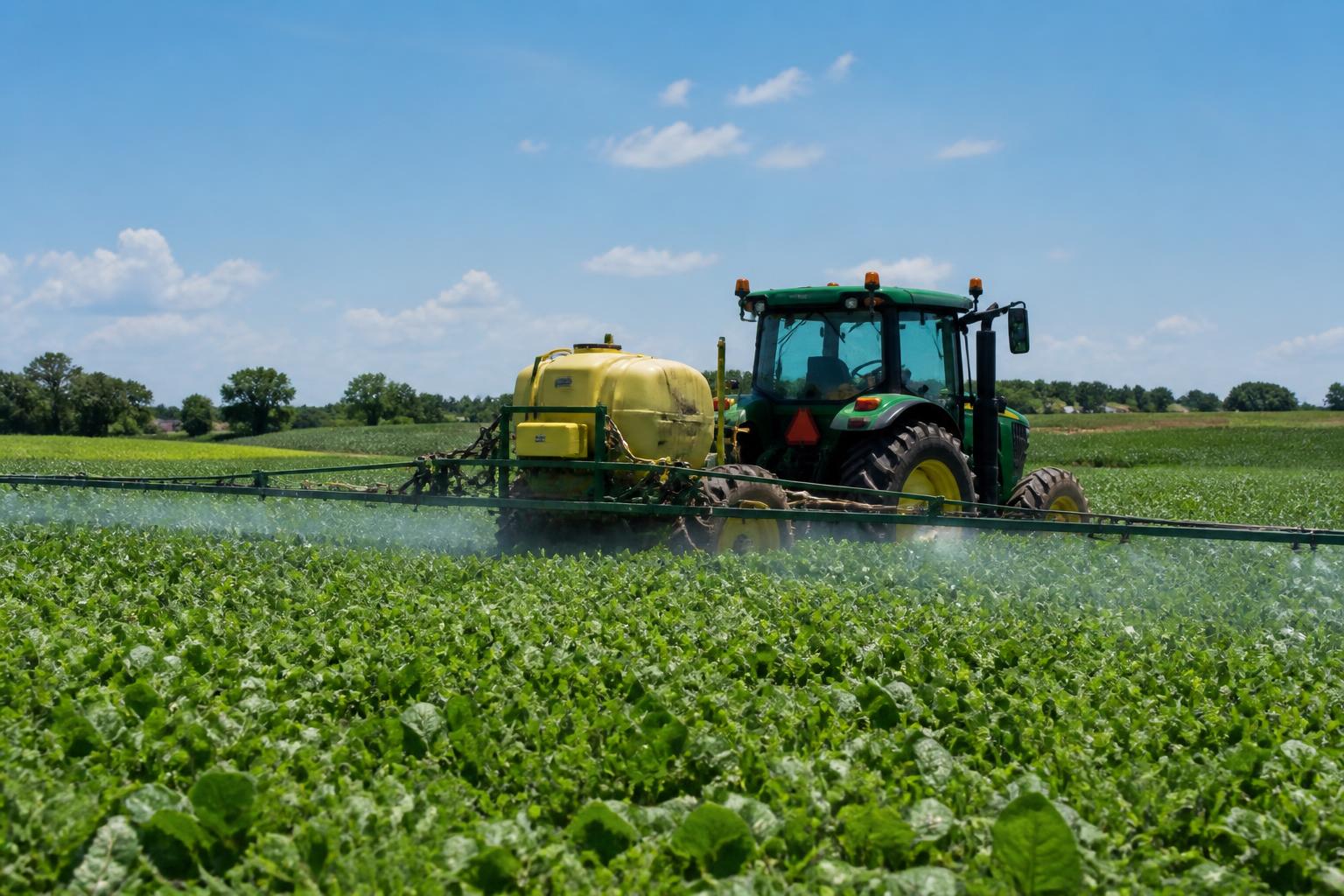
As we move through late July, many agricultural producers across Virginia are feeling the strain of persistent moisture deficits. Despite scattered rainfall in some regions, the cumulative effect of the summer drought continues to weigh on crop development, particularly in parts of the Shenandoah Valley and central counties where consistent irrigation remains a challenge.
For many local agribusinesses, the current conditions necessitate a careful evaluation of yield expectations. The lack of sufficient soil moisture during this peak summer heat can influence everything from kernel fill in corn to pod development in late-planted soybeans. Strengthening the resilience of our local agribusiness landscape requires proactive management of these environmental variables to ensure that logistical and supply chains remain stable as harvest approaches.
Managing Field Stress in Dry Conditions
The impact of the ongoing dry spell extends beyond just crop height and health. Many farmers are currently balancing input management with the harsh reality of reduced yield potential. In areas where moisture remains critically low, field operations may be adjusted to prioritize water conservation and minimize further stress on plants that are already struggling to reach maturity.
Agribusinesses, including local elevators and input suppliers, are observing these conditions closely. Accurate assessment of regional yields will be vital for planning storage capacity and logistics for the upcoming harvest window, which is typically characterized by increased heavy-haul traffic on major corridors like I-81 and the regional networks feeding into state port facilities.
What it means for the market
For grain handlers and growers, the current market environment demands a conservative approach to inventory and logistics. Given the variability caused by the drought, monitoring crop moisture levels at the time of delivery will be essential to avoid potential docking at elevators. Maintaining clear communication between regional carriers and storage facilities can help mitigate potential bottlenecks, especially if localized harvest windows become compressed due to heat-induced early maturation.
Comments
No comments yet - be the first to share your take.