
Adapting to Economic Headwinds
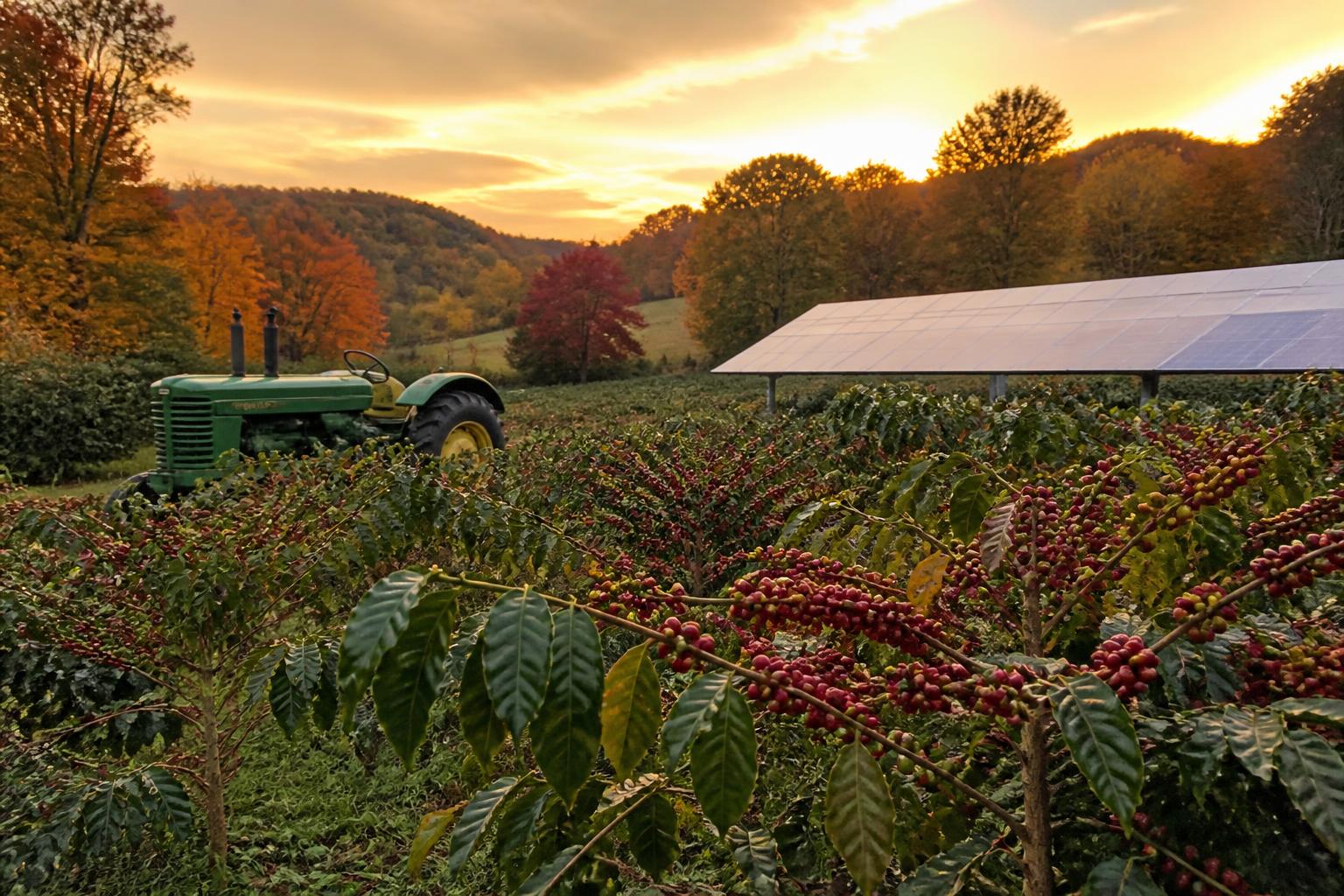
For many producers across Delaware, the current economic landscape is prompting a strategic shift in how farm operations are managed. With input costs remaining a significant factor, we are seeing a trend where growers are opting to maintain and repair older machinery rather than investing in new high-cost equipment. This focus on maximizing the utility of existing assets is helping some operations manage their overhead more effectively during this period of price volatility.
This approach to equipment stewardship aligns with broader shifts in how producers approach risk. As noted in previous discussions on managing freight costs and navigating input expenses, maintaining liquidity and reducing unnecessary capital expenditure has become a recurring theme for regional agribusinesses.
Integrating Future-Focused Technologies
Beyond traditional machinery management, Delaware producers are increasingly evaluating how technology and alternative energy can improve long-term land productivity. The recent collaboration between SolAgra Corporation and the University of Delaware regarding agrivoltaic arrays highlights a growing interest in dual-use land systems. By integrating solar generation with active crop production, growers may find new ways to diversify income streams while keeping acreage productive.
These innovative steps mirror efforts to optimize land use, such as those discussed in fall field efficiency planning, where the goal is to extract maximum value from every acre throughout the seasonal cycle.
Legacy and Continuity
Delaware agriculture remains deeply rooted in family tradition, with multi-generational operations like M&T Farms continuing to anchor the state's rural economy. The ability of these enterprises to pass down technical knowledge and operational expertise is a critical asset. Such continuity often serves as a buffer against market downturns, allowing operations to adapt their management styles without compromising the foundational health of their soil or the stability of their business cycles.
Understanding these shifts is essential for anyone involved in regional supply chains, from grain elevators to local input suppliers, who must also adjust to the changing spending habits of their customers.
What it means for the market
The market is signaling a period of consolidation and efficiency. As farmers prioritize the longevity of their current tractor fleets and pilot new land-use technologies, suppliers of aftermarket parts and solar integration services may see increased activity. For the wider agribusiness sector, the focus remains on resilience, sustainability, and weathering current economic pressures by leaning on proven operational strategies and thoughtful innovation.
Comments
No comments yet - be the first to share your take.