
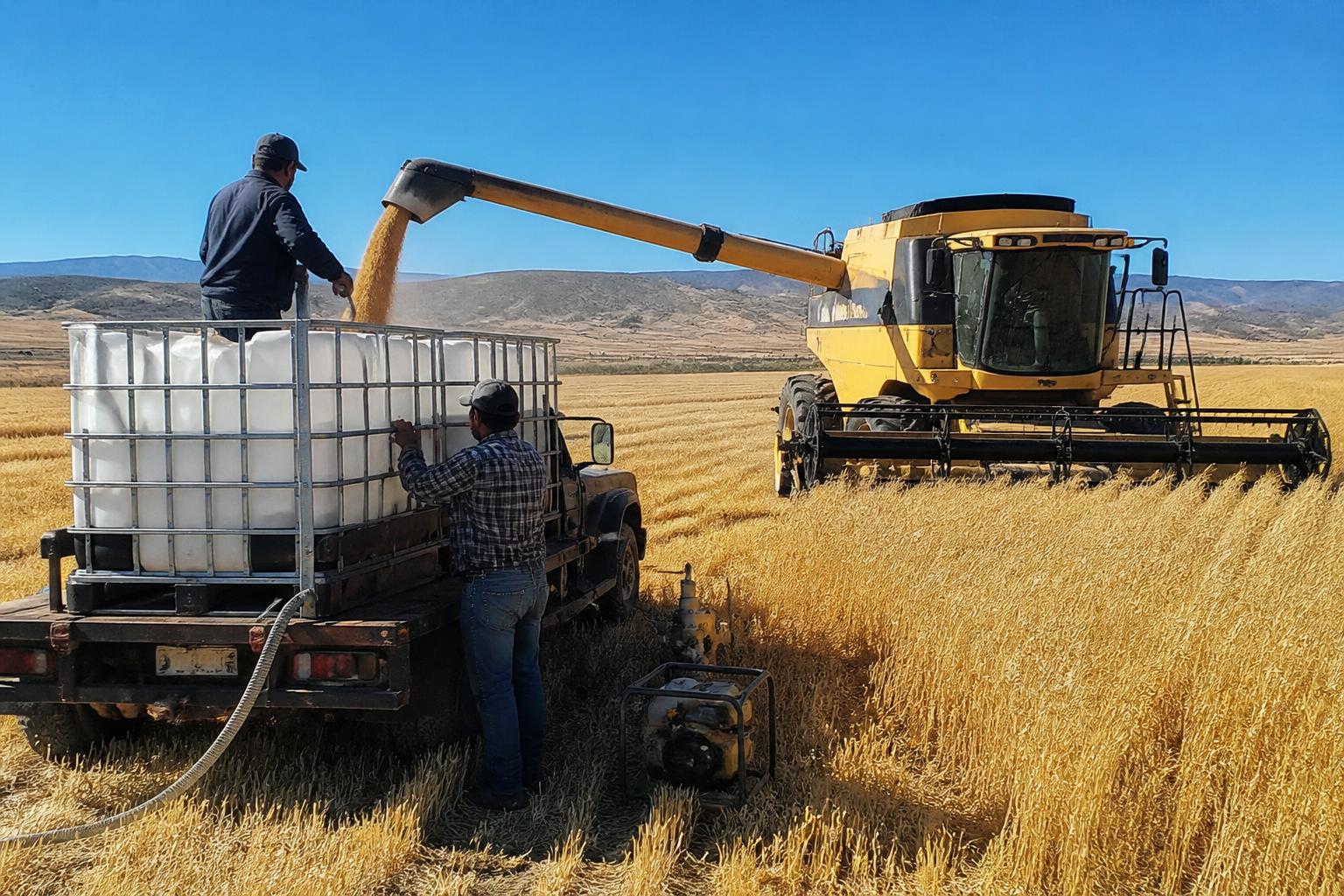
As Nevada growers navigate the tail end of the fall season, recent developments in federal support and resource management are beginning to shape operational planning for the coming year. For many operations, particularly in regions where irrigation is the lifeblood of production, balancing input costs with available water resources remains a primary challenge.
Recent federal initiatives have provided a notable boost to the state agricultural economy, with approximately $2 million in safety net program payments reaching producers. This infusion of capital serves as a critical buffer, helping farmers manage risk in an environment where margins are often tightened by external market pressures. Understanding how these funds can best be deployed for long-term resiliency is becoming a central theme in local fall harvesting and market planning.
Adapting to Resource Constraints
Beyond direct financial support, the conversation in Nevada's agricultural heartlands is shifting toward long-term sustainability. Experiments with innovative water market concepts are gaining traction in several southwestern communities. These initiatives aim to create more flexible frameworks for water usage, allowing producers to adapt more efficiently to seasonal scarcity. When integrated with effective fall soil fertility and resource planning, these strategies may help mitigate the impact of fluctuating water availability on crop yields.
Technology and Operational Efficiency
While the adoption of new technology is often touted as the solution for small-scale farming, many producers are finding that smart tools are only effective when matched with practical, field-level needs. Discussions in local circles emphasize that digital tools should prioritize ease of use and tangible cost savings. As farmers evaluate their next season's inputs, assessing the value of precision technology against the backdrop of their specific soil and crop requirements is essential for keeping overhead manageable. This is especially relevant as producers look at the broader market dynamics affecting soil fertility and input procurement.
What it means for the market
The convergence of targeted financial aid and evolving water management models signals a more proactive approach to risk management for Nevada agriculture. For elevators, carriers, and input suppliers, this shift suggests that producers will be increasingly selective about where they allocate capital, favoring investments that offer clear, measurable improvements to their operational stability rather than simply increasing throughput.
Comments
No comments yet - be the first to share your take.