
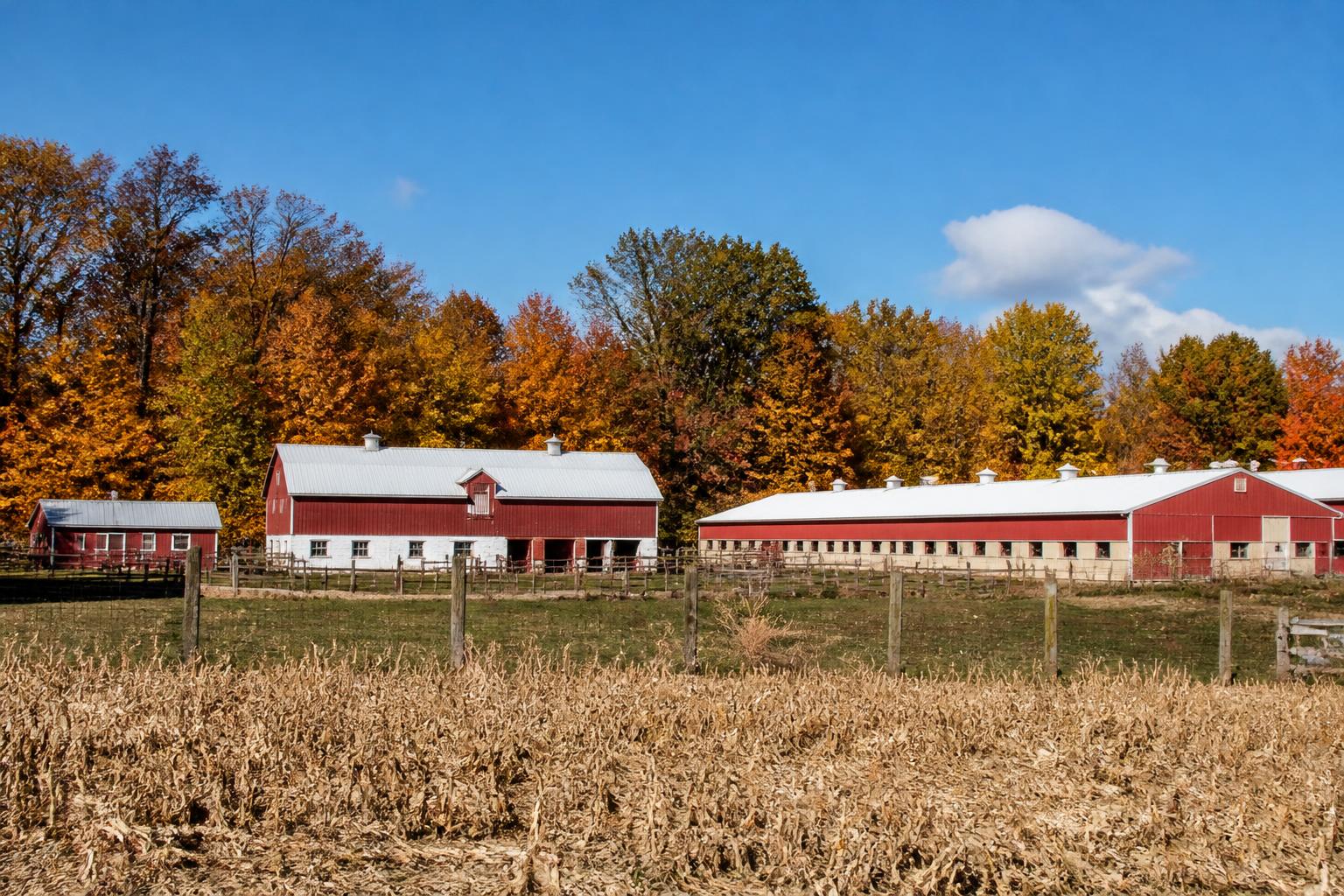
As the fall harvest progresses across Michigan, the agricultural landscape faces a convergence of policy uncertainty and operational headwinds. With legislative attention focused elsewhere, the expiration of the federal farm bill continues to be a point of discussion for producers planning their long-term capital investments. In the field, growers are balancing these high-level concerns with the immediate, practical realities of maintaining aging infrastructure and managing the rising costs of field operations.
Amidst these challenges, there remains a push toward modernizing legacy assets. Repurposing traditional structures, such as dairy barns, remains a popular strategy for regional agritourism and value-added operations, helping to maintain the character of Michigan's rural corridors while diversifying revenue streams. For more on managing resources as the season wraps up, see our latest analysis on field dry-down and seasonal logistics.
Regulatory and Operational Preparedness
Compliance and efficiency are top of mind for Michigan agribusinesses as they wrap up the final stages of the harvest. Recent efforts to certify fertilizer applicators underscore a state-wide emphasis on responsible input management. Beyond regulatory alignment, local handlers are also keeping a close watch on fuel volatility. As transportation costs remain a sensitive variable, farmers are scrutinizing their logistics chains to mitigate the impact of price fluctuations, which can quickly erode margins during the peak transit windows of October and November.
Strategic Planning for 2027
Preparation for the upcoming season is already underway. Many producers are utilizing this time to assess their production planning for the 2027 cycle, focusing on inputs and technical efficiencies that can insulate their operations against broader economic instability. For those operating within the grain sector, maintaining a clear view of local storage capacity and state-wide transportation bottlenecks is essential for maximizing net returns. Growers are encouraged to review recent updates regarding navigating operational risks as they finalize their year-end harvest reports.
What it means for the market: For Michigan farmers and agribusinesses, the current environment demands a defensive strategy. By prioritizing input efficiency and staying informed on regulatory shifts in applicator certification, producers can better manage the margin pressures caused by volatile fuel prices and legislative delays. Now is the time to finalize storage strategies and secure the necessary logistics partnerships to navigate the remainder of the season effectively.
Comments
No comments yet - be the first to share your take.