
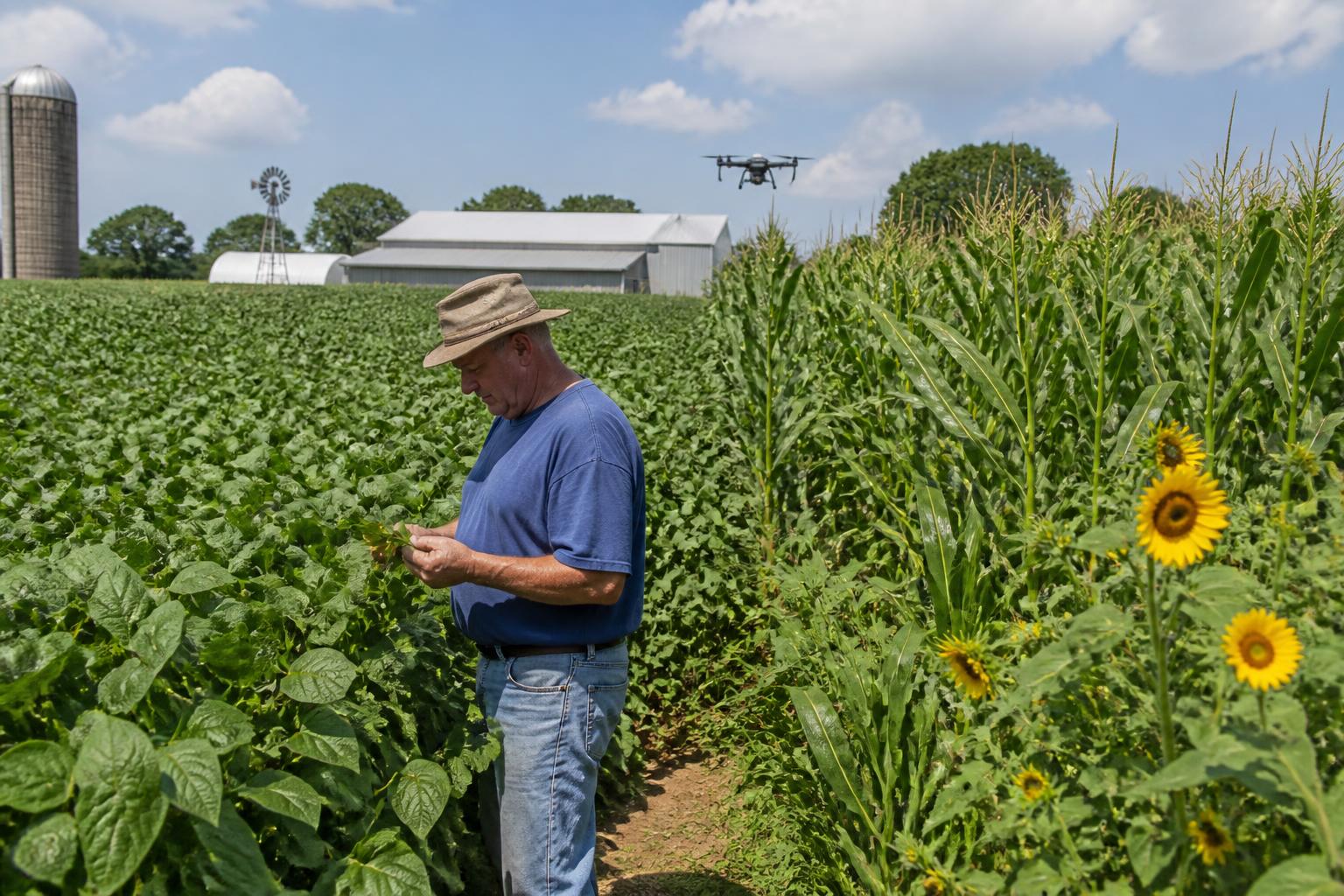
Mid-summer is a critical period for New Jersey producers, as agricultural operations across the state balance active field management with long-term strategic adjustments. Recent industry shifts are highlighting a focus on supply chain innovation, particularly within the wheat sector where efforts toward regenerative agriculture are gaining traction. These initiatives represent a broader move among regional agribusinesses to integrate more sustainable practices into the standard production cycle.
For grain handlers and farm operators, the current market climate necessitates a close watch on regional infrastructure and support programs. Recent state-level efforts have signaled a push to bolster food distribution networks, including new grant opportunities designed to manage excess seafood inventory. Such programs reflect a wider regional intent to reduce waste and improve the efficiency of local food logistics, which may influence how peripheral supply chains, including grain and produce transportation, are managed during the busy summer months.
Supply Chain Innovation and Market Stability
The integration of technology remains a cornerstone for New Jersey farms looking to streamline the path from seed to shelf. As many growers refine their operational security to protect high-value agricultural technology, the focus on reducing overhead and preventing theft has become as vital as managing crop yields. Maintaining strict security protocols during the peak growing season ensures that investments in precision tools and high-tech equipment remain protected from site disruptions.
Simultaneously, the evolving landscape for inputs continues to challenge traditional management methods. As operations consider their fertilizer procurement strategies, keeping an eye on federal funding opportunities for domestic production remains a key tactic. These programs may eventually mitigate some of the volatility currently seen in input costs, providing a more stable outlook for producers who are planning their seasonal applications.
Operational Nuances for the Current Season
Logistics continue to be a defining factor for New Jersey's diverse agricultural sector. Whether moving grains or managing niche produce, regional traffic flow and the demands of seasonal agritourism can create unique challenges for carriers. Efficiently timing field operations to avoid peak transit hours often makes the difference in maintaining profitability. Understanding the local nuances of state and county road access helps in coordinating timely deliveries while minimizing the strain on equipment and labor resources.
Looking at the broader market, the emphasis on local and regional support systems is growing. Whether through cooperative programs for wheat or expanded grant access for local commodities, the state's agriculture industry is increasingly focused on internal resilience. Proactive communication between growers, processors, and transport partners remains essential for navigating the complexities of the current harvest-heavy cycle.
What it means for the market
For New Jersey farmers and agribusinesses, the current trend toward regenerative supply chains and state-supported distribution grants offers a chance to refine logistics and sustainability models. By prioritizing technology security and aligning with broader regional initiatives, stakeholders can better manage the volatility of summer operations while building a more stable market foundation for the remainder of the year.
Comments
No comments yet - be the first to share your take.