
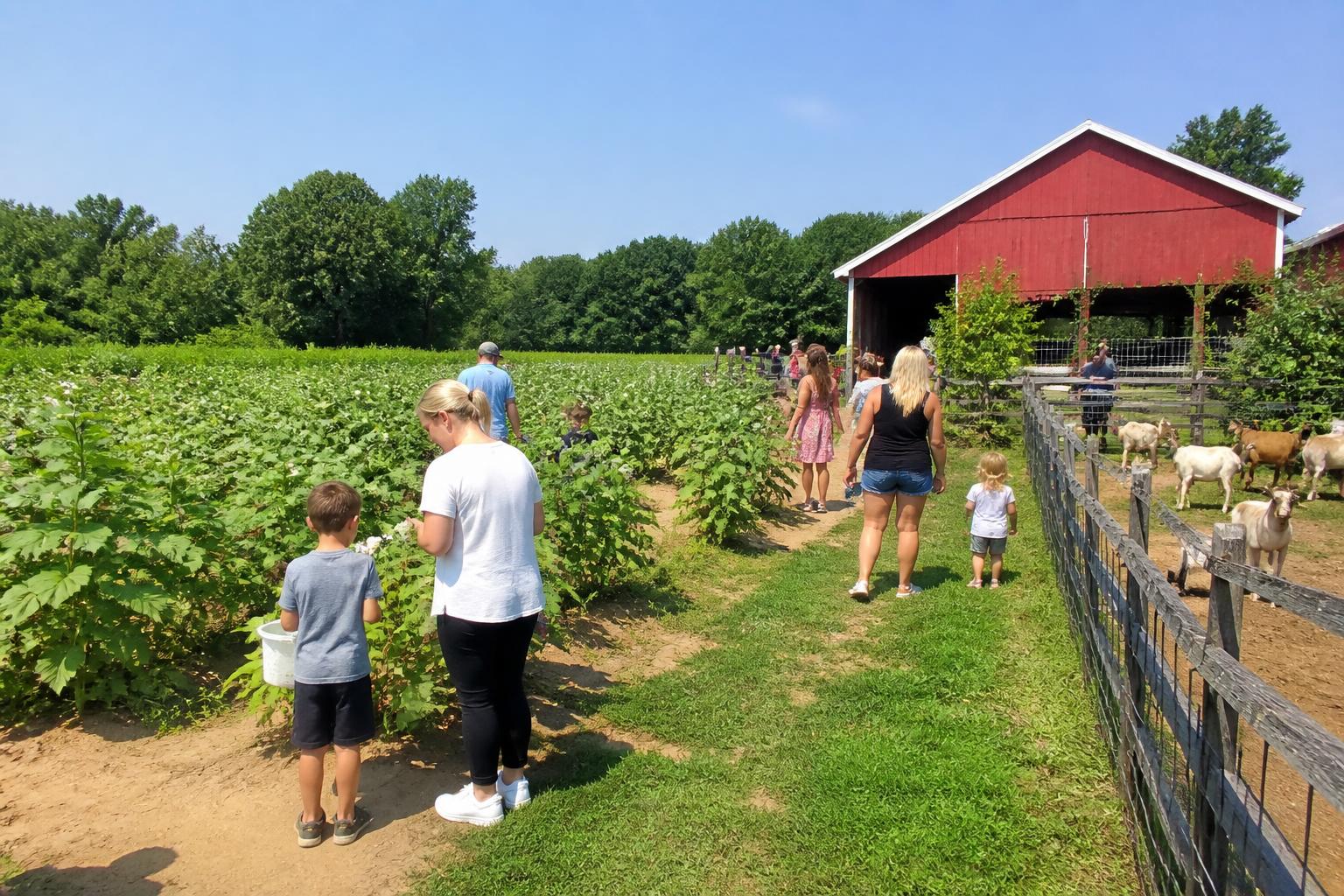
Virginia's agricultural sector is witnessing a notable appreciation in farm real estate values, a trend that is reshaping investment strategies for producers from the Eastern Shore to the Piedmont. While land assets continue to command higher premiums, the broader operational environment remains marked by a mix of cautious optimism and external economic pressures.
For many landholders, the current market climate necessitates a disciplined approach to capital allocation. As valuation cycles evolve, the ability to maintain consistent production yields becomes paramount. In regions where land prices have spiked, growers are increasingly focused on optimizing input efficiency to protect thin margins, particularly as the industry monitors localized impacts on commodity potential, as discussed in our recent look at summer drought pressures on Virginia crop potential.
Managing Operational Costs and Land Dynamics
Beyond land values, the daily realities of managing an agribusiness in Virginia remain complex. Whether dealing with specialized crop management or adapting to infrastructure shifts, producers are looking for ways to maximize the viability of their acreage. The integration of modern technology and refined logistics is often a key differentiator for operations looking to scale in a competitive environment, a theme explored in our coverage on strengthening Virginia's agribusiness landscape.
Market participants should note that the intersection of high land values and operational overhead creates a heightened need for risk management. Diversification, whether through agritourism or value-added processing, continues to offer a buffer for family-owned farms looking to preserve their legacy while navigating these capital-intensive times.
What it means for the market
The upward trajectory of Virginia farm real estate underscores a robust demand for productive agricultural land, yet it also increases the barrier to entry for many. Producers should focus on land productivity and long-term soil health to justify asset costs. Moving forward, maintaining a lean operational structure and keeping a close watch on regional infrastructure developments will be essential for staying competitive in an increasingly expensive production environment.
Comments
No comments yet - be the first to share your take.