
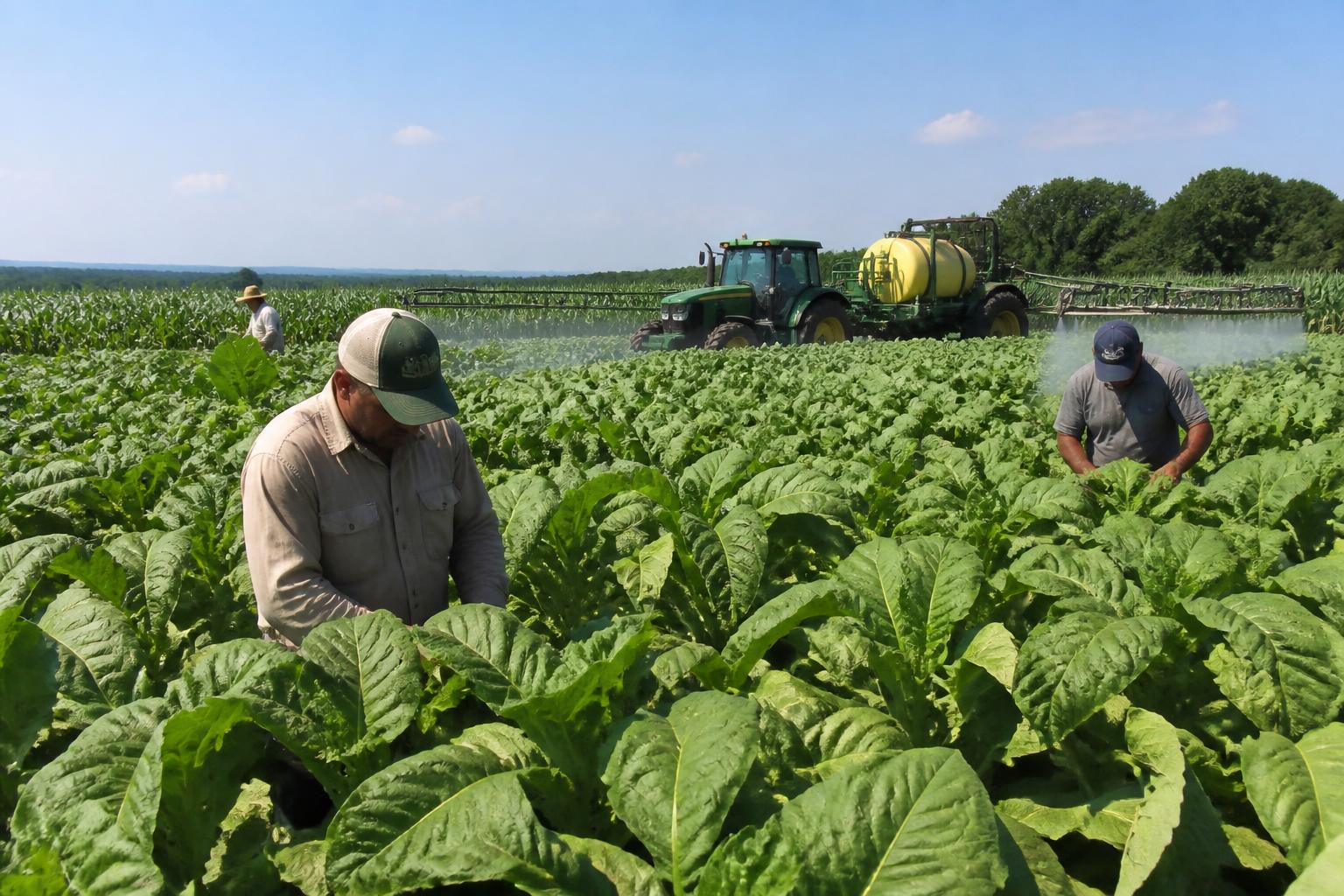
Mid-summer in Maryland brings a distinct set of challenges for growers as they monitor crop health and prepare for late-season nutrient needs. The current fertilizer market environment remains fluid, with industry leaders emphasizing the importance of raw material security and strategic partnerships to ensure local supply stability. For Maryland producers, managing soil fertility during these warmer months often requires a balance between responding to seasonal weather volatility and adhering to strict stewardship practices.
As farmers evaluate their nutrient management plans for late-season gains, the focus frequently shifts to precision application technology. Integrating digital tools can help minimize waste and improve uptake efficiency, which is critical during high-heat periods. Whether you are operating in the fertile fields of the Eastern Shore or navigating the rolling terrain of the Piedmont, utilizing updated decision-support tools remains a primary way to offset input costs while supporting long-term soil health.
Logistics and Market Resilience
Agribusinesses across the state are also keeping a close eye on the broader logistics landscape. Effective transport management is essential for maintaining a reliable flow of inputs from ports and distribution hubs to local farm gates. Recent industry shifts highlight how managing summer transport efficiencies can directly impact the bottom line, especially when faced with the seasonal demand spikes that often occur during peak growing windows. Staying connected with local suppliers can help mitigate potential bottlenecks in regional supply chains.
Optimizing Field Management
For those looking to refine their approach, it is worth revisiting the latest best practices for summer fertilizer applications. Beyond just timing, farmers are finding value in soil testing and environmental monitoring tools that help predict nutrient requirements more accurately. These proactive steps are increasingly vital as producers adapt to changing agricultural conditions and strive for higher yields without compromising land sustainability.
What it means for the market
For Maryland grain handlers and producers, the current fertilizer outlook underscores a need for cautious, data-driven planning. While global industry developments suggest a potential for rebound in demand, local success remains tied to logistical preparation and the precise application of nutrients. By prioritizing supply security early and leveraging regional technical support, Maryland agricultural businesses can better insulate themselves against the unpredictability of the summer market.
Comments
No comments yet - be the first to share your take.