
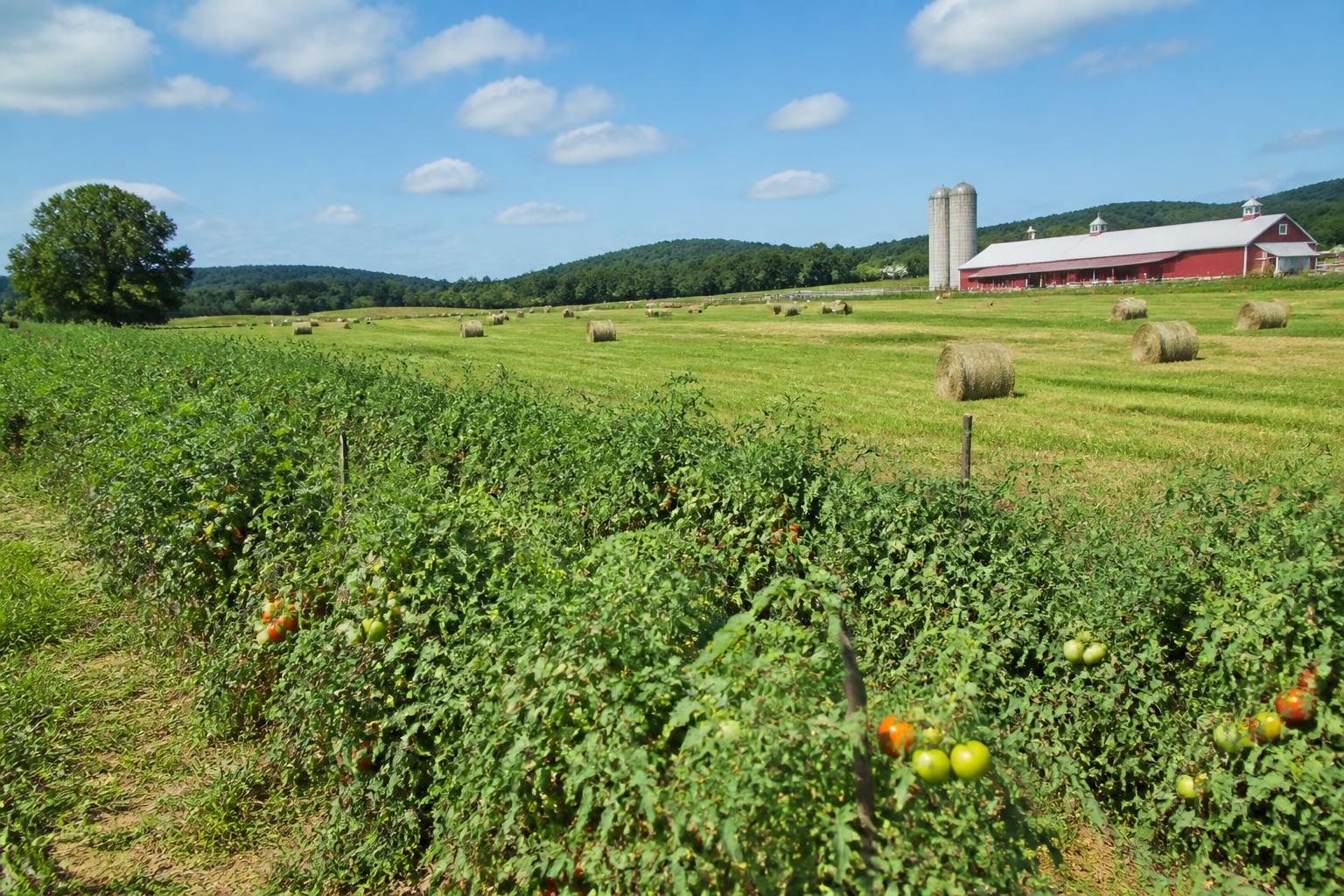
For Maryland farmers, the height of summer brings a critical window for evaluating crop performance and nutrient availability. Maintaining peak fertility throughout the heat of the season is often cited as a cornerstone for achieving target hay yields and supporting late-stage grain development. With some regions across the state having navigated variable weather patterns, including pockets of dryness in certain counties, ensuring that soil profiles remain balanced is a top priority for agribusinesses and producers alike.
Effective nutrient management during this stage of the cycle may help mitigate the stress crops experience as they approach their final growth phases. While regional operations look to optimize inputs, many are increasingly weighing the benefits of traditional fertilization against the rising demand for specialty crops. Maryland fertilizer markets continue to face seasonal volatility, and staying aligned with local logistical efficiencies is essential for those coordinating deliveries across Maryland’s diverse agricultural landscape, from the coastal plains to the rolling hills of the north.
Aligning Fertility with Seasonal Pressures
The current market environment encourages a disciplined approach to input allocation. As fields reach critical development thresholds, producers are reminded that fertility is not merely a pre-plant concern but a continuous variable. In areas that have dealt with moisture challenges, the ability to effectively deliver nutrients to the root zone can make a significant difference in final biomass and quality. Agribusinesses should coordinate closely with carriers to anticipate traffic patterns and any localized transport constraints that may influence the timely arrival of fertilizer products.
The Value of Precision in Current Conditions
Digital transformation in agriculture is offering new ways to track these requirements with greater accuracy. By integrating real-time soil data with historical yield trends, producers may find opportunities to refine their application strategies, potentially reducing waste and maximizing return on investment. This precision approach is particularly relevant in Maryland, where environmental stewardship programs emphasize efficient nutrient runoff management.
What it means for the market
Producers should remain vigilant regarding input supply chains as the summer progresses. A proactive stance on fertilizer procurement and a focus on localized soil health, combined with a close watch on transportation lead times, can help insulate operations from mid-season supply tightness. Those prepared to adapt their fertility programs based on real-time field observations are best positioned to protect their bottom line as harvest approaches.
Comments
No comments yet - be the first to share your take.