
Mid-Season Operations and Economic Outlook
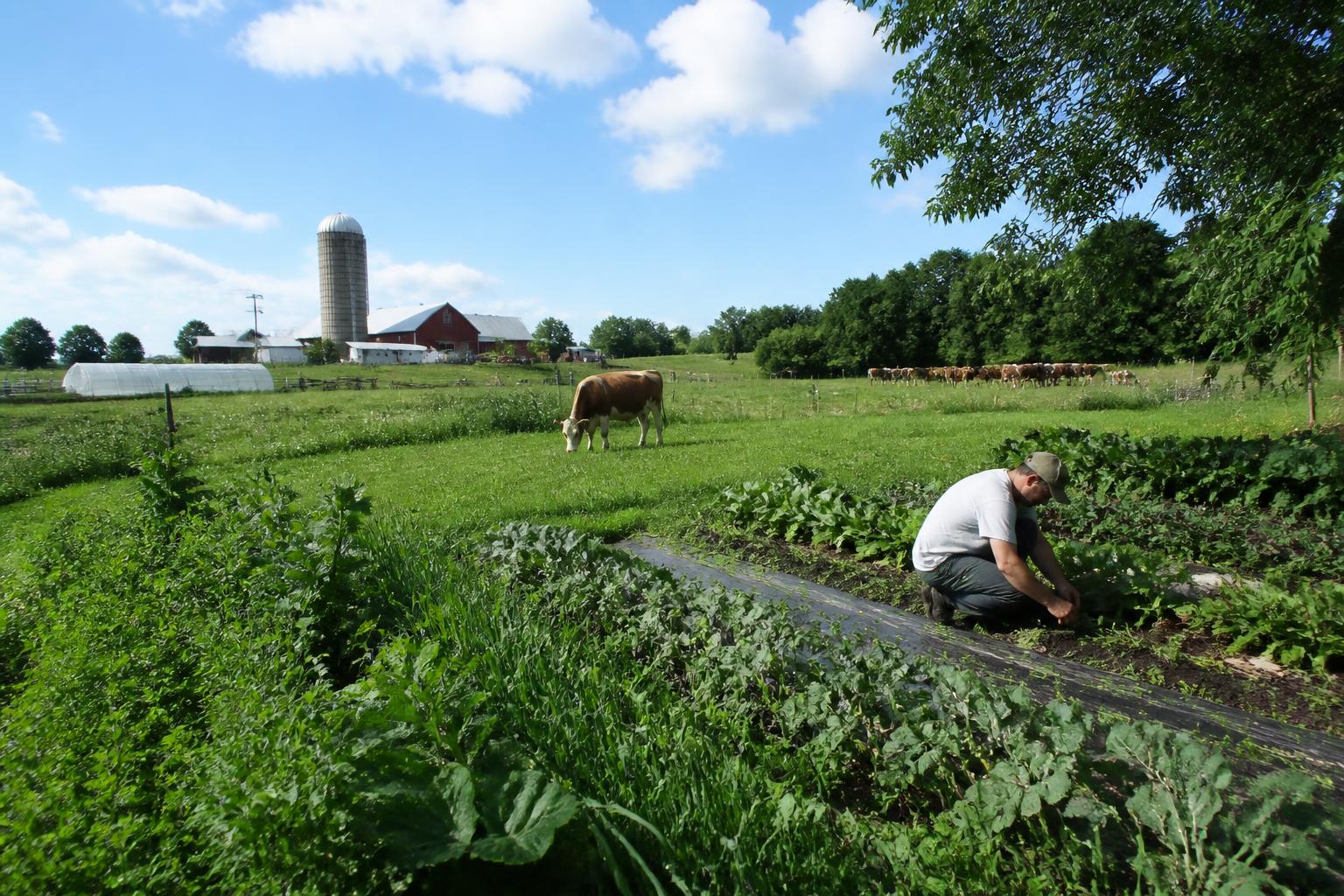
In Wisconsin, the peak of the summer growing season is in full swing, bringing a period of intense activity for farmers across regions from Jefferson County to the shores of Lake Michigan. As crops progress through their critical stages, producers are increasingly focused on balancing daily management tasks with the broader economic pressures currently affecting the state's agricultural backbone. Whether managing diversified operations or working toward optimizing Wisconsin grain pricing and local market access, the current climate demands a keen eye on both yield potential and market volatility.
For many local producers, recent fluctuations in Class III milk futures have served as a stark reminder of the unpredictable nature of the dairy sector. Market shifts often impact the bottom line for those balancing grain production with dairy, necessitating more robust financial planning. Growers are also paying close attention to shifts in farm-direct distribution and logistics to ensure that output moves efficiently from the field to the buyer despite regional transportation challenges.
Managing Land and Wildlife Dynamics
Beyond crop management, landowners in counties such as Manitowoc are navigating the complexities of land stewardship. With high deer populations impacting local plots, many producers are exploring mitigation strategies to protect their summer investments. Effective herd management often requires cooperation between farmers, landowners, and local wildlife agencies to balance environmental health with the economic necessity of protecting high-value crops from extensive browsing damage.
What it means for the market
The current mid-summer window is a pivotal time for Wisconsin agriculture. Producers who are able to diversify their risk—through both operational variety and smart logistical planning—tend to be better positioned against the volatility seen in commodity futures. As we head further into the summer, maintaining strong relationships with local grain elevators and staying informed on regional delivery routes will be essential for keeping margins intact. While the market for dairy and grains remains reactive to national policy shifts, local resilience continues to be the most reliable tool for Wisconsin farm operations.
Comments
No comments yet - be the first to share your take.