
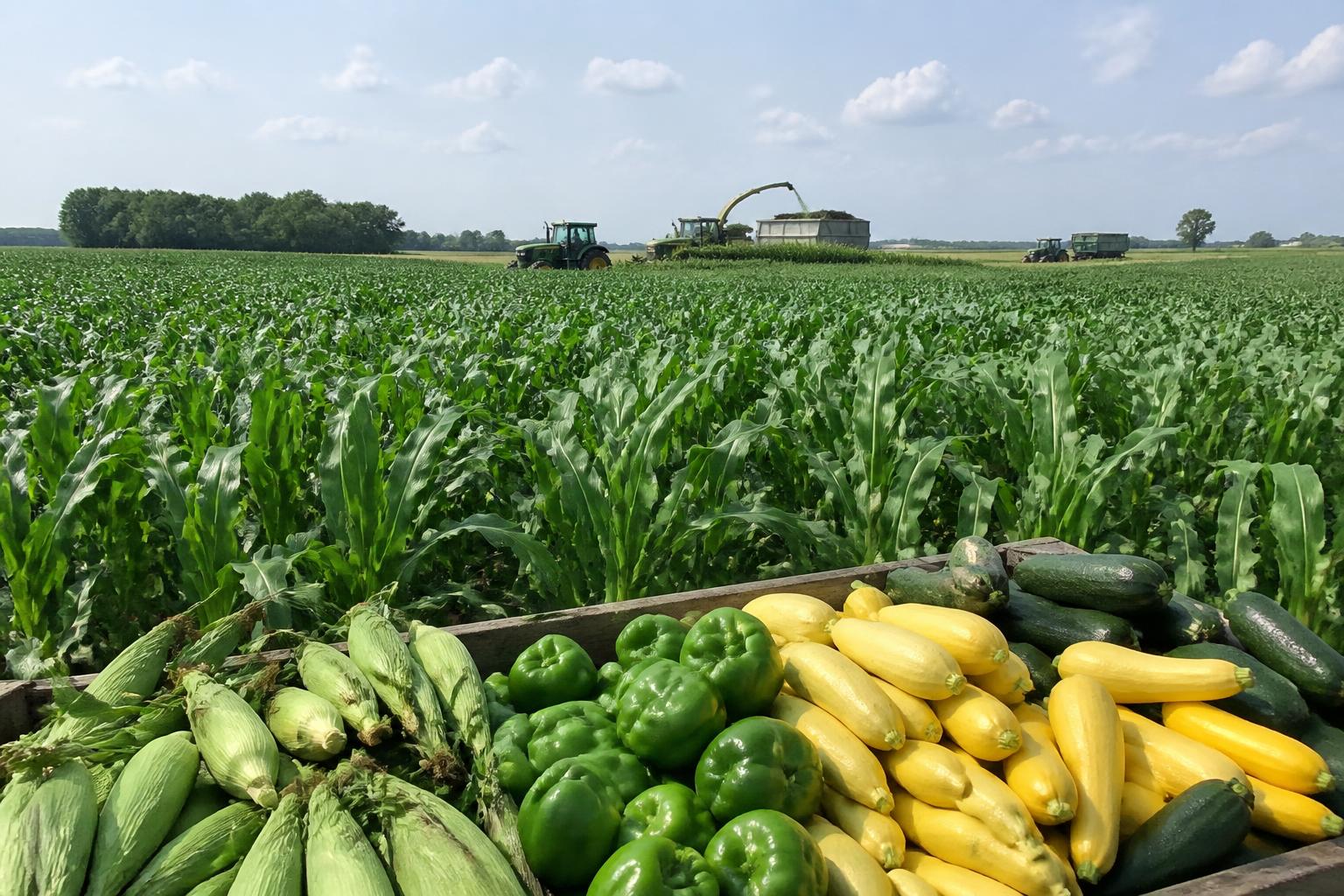
As Iowa growers move through the critical mid-summer growth stages, the agricultural landscape remains a focal point for both domestic supply outlooks and logistics planning. Despite recent stretches of heat and moisture stress reported in some regions, overall crop conditions remain resilient, with recent data placing a significant majority of the state's corn acreage in the good-to-excellent category.
Managing Environmental Stress in the Field
The recent prevalence of elevated temperatures and limited precipitation has tested crop vigor in various counties. In response, many producers are closely monitoring soil moisture levels and evaluating nutrient management strategies to mitigate potential yield impacts. For those navigating these environmental pressures, staying current on best practices for nutrient and field management is essential as the season progresses toward maturity.
Looking Ahead to Harvest
As the sector shifts its focus toward late-summer preparations, the industry is also noting upcoming administrative shifts, including new checkoff rates for corn set to take effect on September 1. For grain handlers and transport providers, these regulatory changes, combined with evolving crop projections, serve as a reminder to review local elevator policies and logistics preparedness before the peak harvest rush begins.
What it means for the market
While the state's crop ratings offer a stable foundation for the current market cycle, the combination of mid-summer heat and fluctuating trade policy keeps the outlook sensitive to change. Growers and agribusinesses should maintain a proactive stance on input procurement and storage logistics to offset potential volatility during the coming transition into harvest.
Comments
No comments yet - be the first to share your take.