
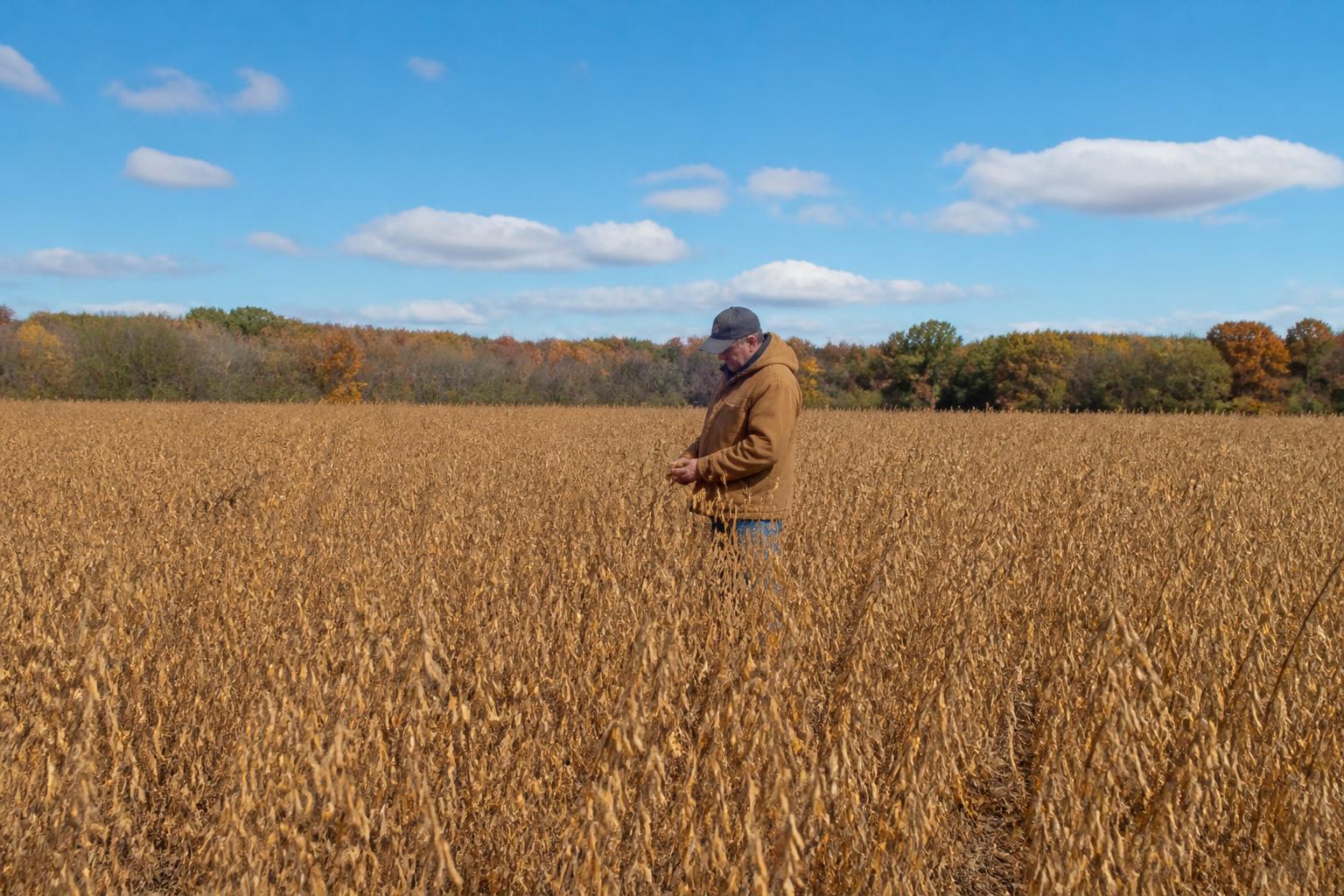
With the calendar turning to late October, Indiana producers are reaching the final stages of the 2026 harvest. While progress has been steady across the state, the closing weeks of the season are often when logistical bottlenecks at local grain elevators and transport hubs become most apparent. For those looking to optimize their grain marketing strategy in Indiana, the transition from field to storage remains a critical priority as the window for efficient off-farm movement narrows.
Reports from across the Hoosier State indicate varied but generally strong outcomes. Some producers, particularly in the southeastern corridors, have noted exceptionally high-performing soybean yields this season. However, this success is set against a backdrop of a broader, more sluggish agricultural economy. The pressure of lower commodity prices continues to ripple through the sector, forcing many operations to adopt more surgical approaches to input management and fertilizer application to preserve margins.
Refining Operations in a Tight Market
The current economic environment is prompting a shift in how Indiana agribusinesses approach the coming year. With market volatility remaining a constant concern, many farmers are re-evaluating traditional input spending. There is an observable pivot toward highly targeted nutrient management, as operators seek to maximize every acre while mitigating the risk of high input costs.
Furthermore, managing the complex logistics of the Indiana harvest continues to be a primary challenge for handlers and carriers alike. As field work wraps up, attention is shifting toward winter planning, including the utilization of expanded conservation programs. The upcoming extension of the state's cover crop incentive initiatives provides an additional layer of financial consideration for producers planning their 2027 soil management strategies.
What it means for the market
As harvest operations wind down, the focus for the remainder of the quarter will likely shift toward local basis levels and regional storage capacity. Farmers should remain vigilant regarding transport availability as the industry prepares for winter storage. The ongoing economic environment suggests that disciplined cost control and careful monitoring of basis trends will be essential for navigating the early months of the next calendar year.
Comments
No comments yet - be the first to share your take.