
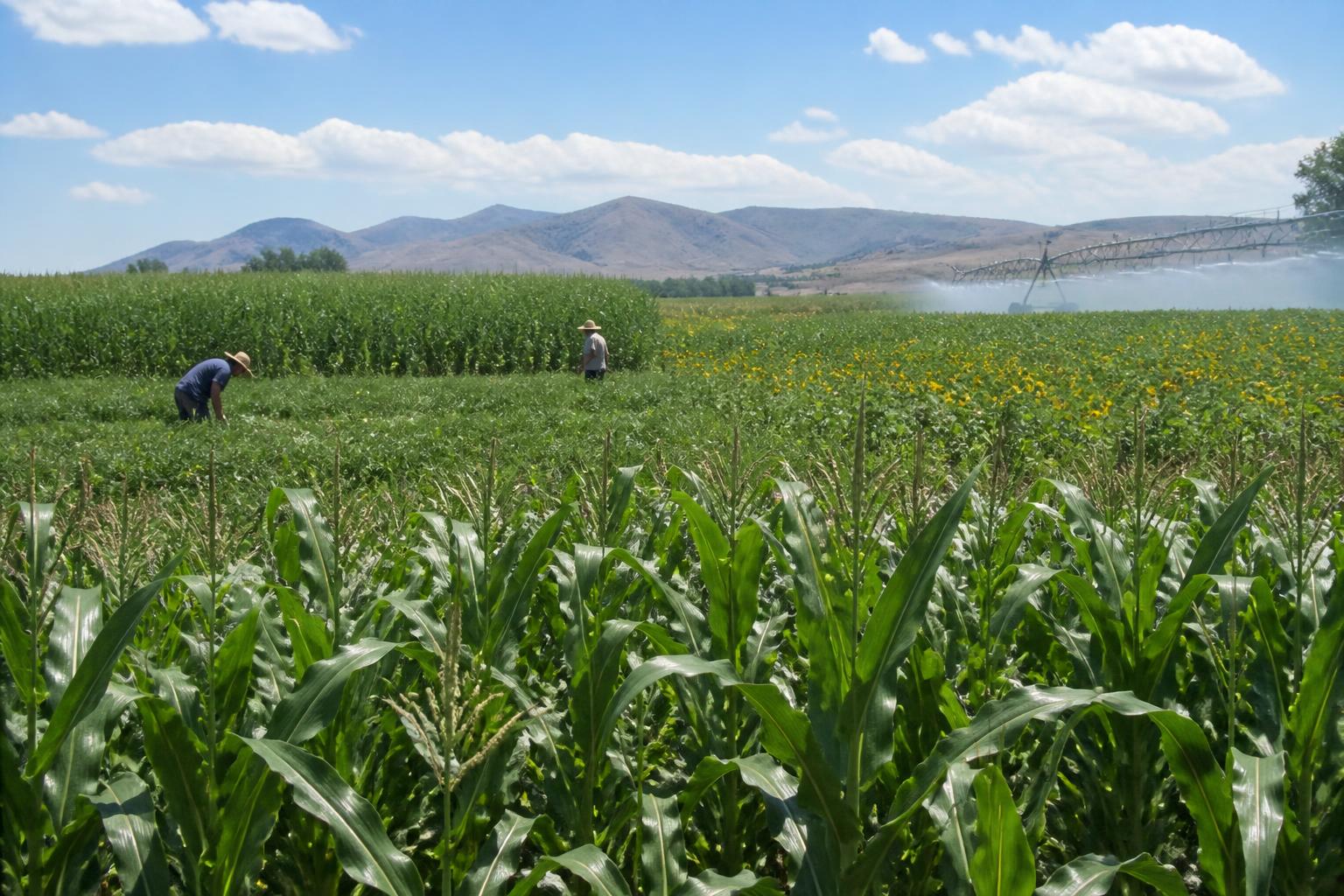
Mid-summer in Colorado brings a complex set of variables for grain producers as they look toward the later stages of the growing season. With recent federal projections signaling lower farm program payment expectations, many agricultural operations are reassessing their financial planning. These shifts, coupled with the persistent upward trend in regional land values, underscore the need for precise farm-level management to maintain margins.
Optimizing Inputs for Long-Term Margin Stability
As input costs remain a primary focus for grain handlers and farmers alike, strategic nutrient management has become a critical operational lever. Producers are encouraged to monitor current progress and calculate specific nutrient removal rates to align fertilizer applications with actual crop needs. By focusing on site-specific requirements rather than broad-acre averages, businesses may find opportunities to curb expenses without sacrificing yield potential.
For those looking to streamline their supply chain, keeping a close watch on regional infrastructure is essential. The availability and movement of grain continue to be influenced by regional logistics, including the health of transport fleets that support the movement of both inputs and harvested product. Managing these logistics effectively is a staple of success in Colorado’s diverse agricultural landscape.
Navigating Broader Economic Pressures
Beyond the field, Colorado's agricultural sector is adapting to larger-scale pressures, from long-term water conservation requirements to the integration of bioenergy efforts. These factors often create a unique environment where efficiency isn't just about maximizing yield, but about preserving the long-term viability of the land. As the summer progresses, staying informed on how these external pressures impact local market participants remains vital for both small-scale operations and larger agribusinesses.
What it means for the market
The convergence of lower government payment support and rising input-related costs suggests that margins will remain tight through the end of the year. Producers who prioritize data-driven nutrient application and maintain flexibility in their logistics planning are better positioned to weather the current market cycle. Vigilance regarding regional market trends will be the most valuable tool for Colorado farmers looking to optimize their performance in the months ahead.
Comments
No comments yet - be the first to share your take.