
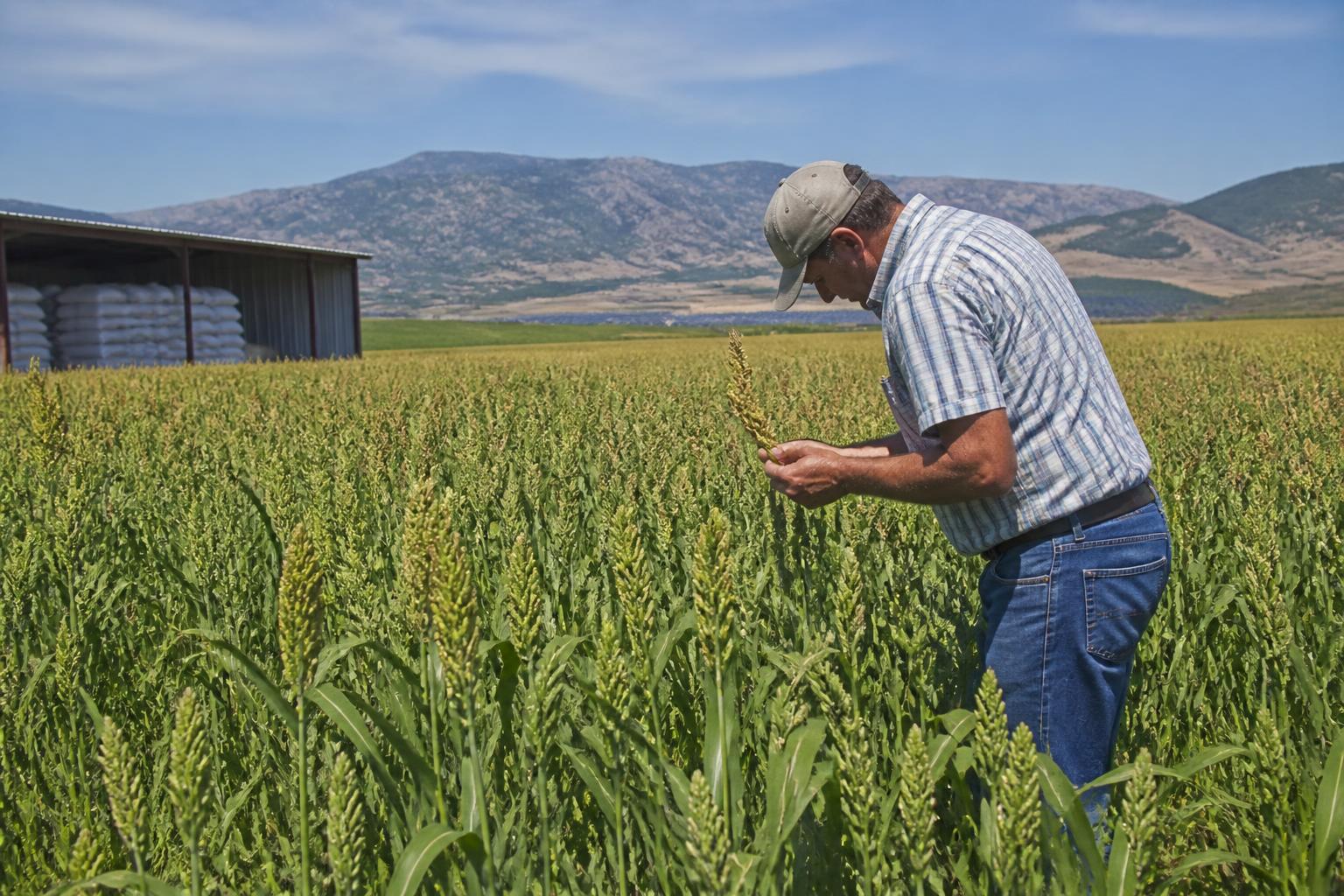
Utah producers are currently navigating a complex economic landscape as they balance operational costs against the realities of a demanding growing season. Input expenses, particularly for fertilizers, remain a primary point of concern for many across the state. These financial pressures are often intensified by broader market volatility, which can complicate long-term planning for grain handlers and crop managers alike.
Amid these fiscal headwinds, there are emerging avenues for financial relief and infrastructure investment. Recent initiatives from the federal government have directed significant funding toward fertilizer projects and solar energy integration within the agricultural sector. For many, these investments may serve as a crucial tool to improve nutrient management efficiency, potentially lowering dependency on high-cost conventional inputs over the coming seasons. Operators who manage costs and supply volatility successfully are better positioned to weather the current price fluctuations.
Adapting to Environmental and Economic Shifts
The 2026 season has already presented unique hurdles, including earlier weather events that necessitated disaster relief applications for some producers. When combined with the ongoing need to explore new biologics registration options, it is clear that the modern Utah farming operation must prioritize adaptability. Integrating these newer, often more specialized crop protection tools can help mitigate some of the biological stresses that frequently impact yields in the state's diverse climate zones.
Furthermore, managing the bottom line requires a proactive approach to soil health and nutrient application. Producers are encouraged to evaluate their current programs, keeping a close eye on how nutrient efficiency is maintained during peak summer heat. Efficient application strategies are not just about environmental stewardship; they are a direct response to the fiscal constraints currently observed in the broader agricultural economy.
What it means for the market
The market outlook for Utah agriculture remains cautious but opportunistic. While input costs continue to threaten the livelihoods of many, the availability of federal grants and the adoption of high-tech biological inputs suggest a gradual shift toward more resilient production models. For agribusinesses and carriers, monitoring the adoption rate of these new technologies will be essential, as they may shift demand patterns for both traditional fertilizers and emerging agricultural solutions throughout the remainder of the year.
Comments
No comments yet - be the first to share your take.