
Navigating Shifting Fertilizer Economics
As we move through the heat of summer, Utah producers are balancing immediate field demands with a complex global fertilizer outlook. Recent policy shifts regarding tariff exemptions have introduced new variables into the domestic supply chain, impacting how local agribusinesses and grain handlers manage their procurement cycles. For many, this uncertainty underscores the importance of staying agile with input management strategies during periods of market fluctuation.
Resource Efficiency Under Drought Constraints
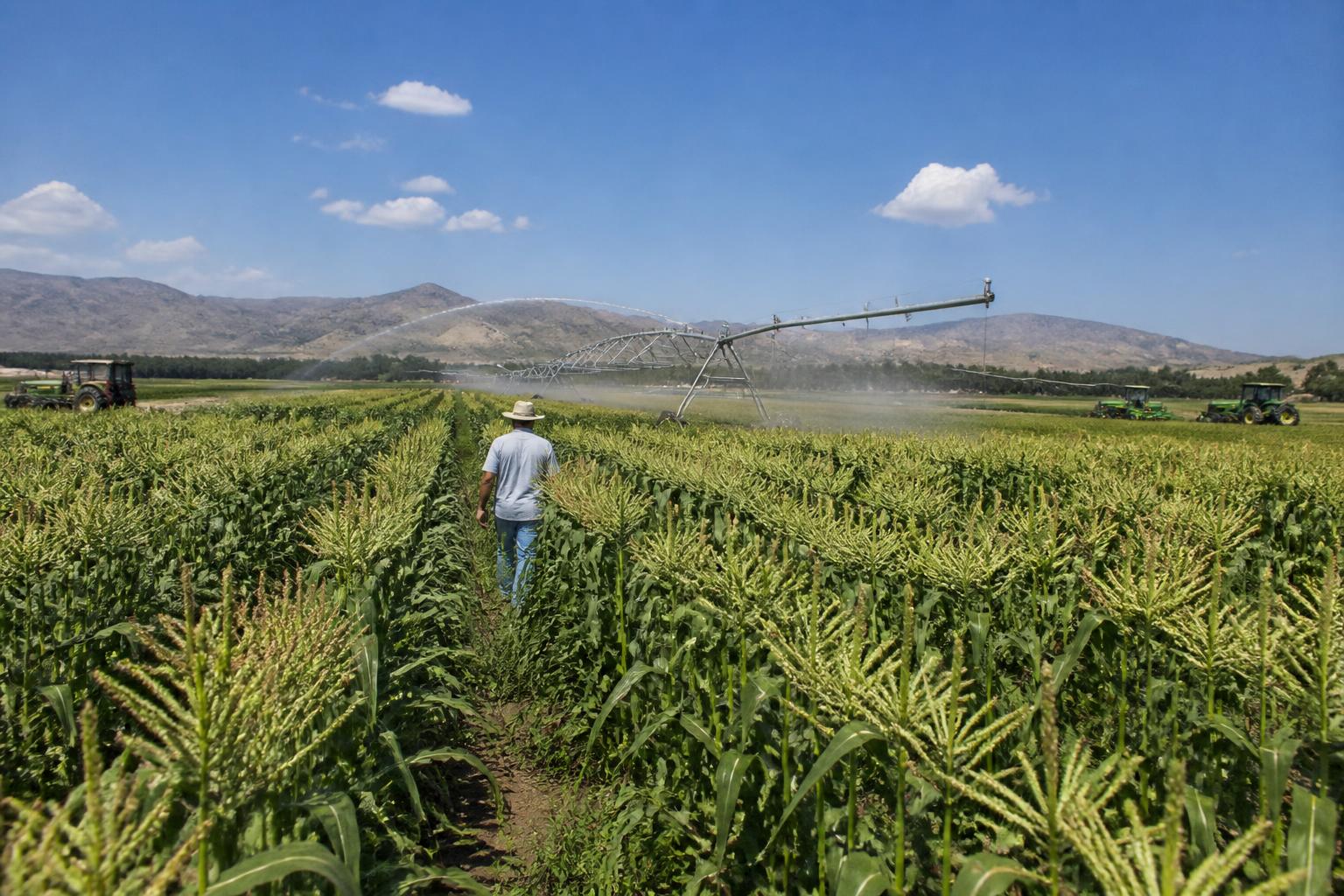
The persistent focus on statewide water efficiency remains a central theme for Utah agriculture. With ongoing concerns regarding the long-term viability of water resources, the intersection of nutrient management and moisture conservation has never been more critical. Producers are increasingly looking toward refined application timing to maximize nutrient uptake, minimizing waste in fields where water is already the primary limiting factor for crop development.
Strategic Planning for the Upcoming Cycle
Market analysts suggest that global pressures, including conflict-driven supply disruptions and shifting trade policies, will continue to echo across regional markets. For Utah farmers, this means the cost of essential inputs may remain sensitive to international developments. Operators are encouraged to evaluate their current inventory and consult with local cooperatives to hedge against potential price spikes before the next major application window opens.
What it means for the market
The combination of high-temperature stress and input price variability requires a disciplined approach to farm management. By prioritizing efficient nutrient use and maintaining open communication with suppliers regarding regional inventory levels, Utah producers can better navigate these challenging summer conditions while preparing for the fiscal realities of the next production cycle.
Comments
No comments yet - be the first to share your take.