
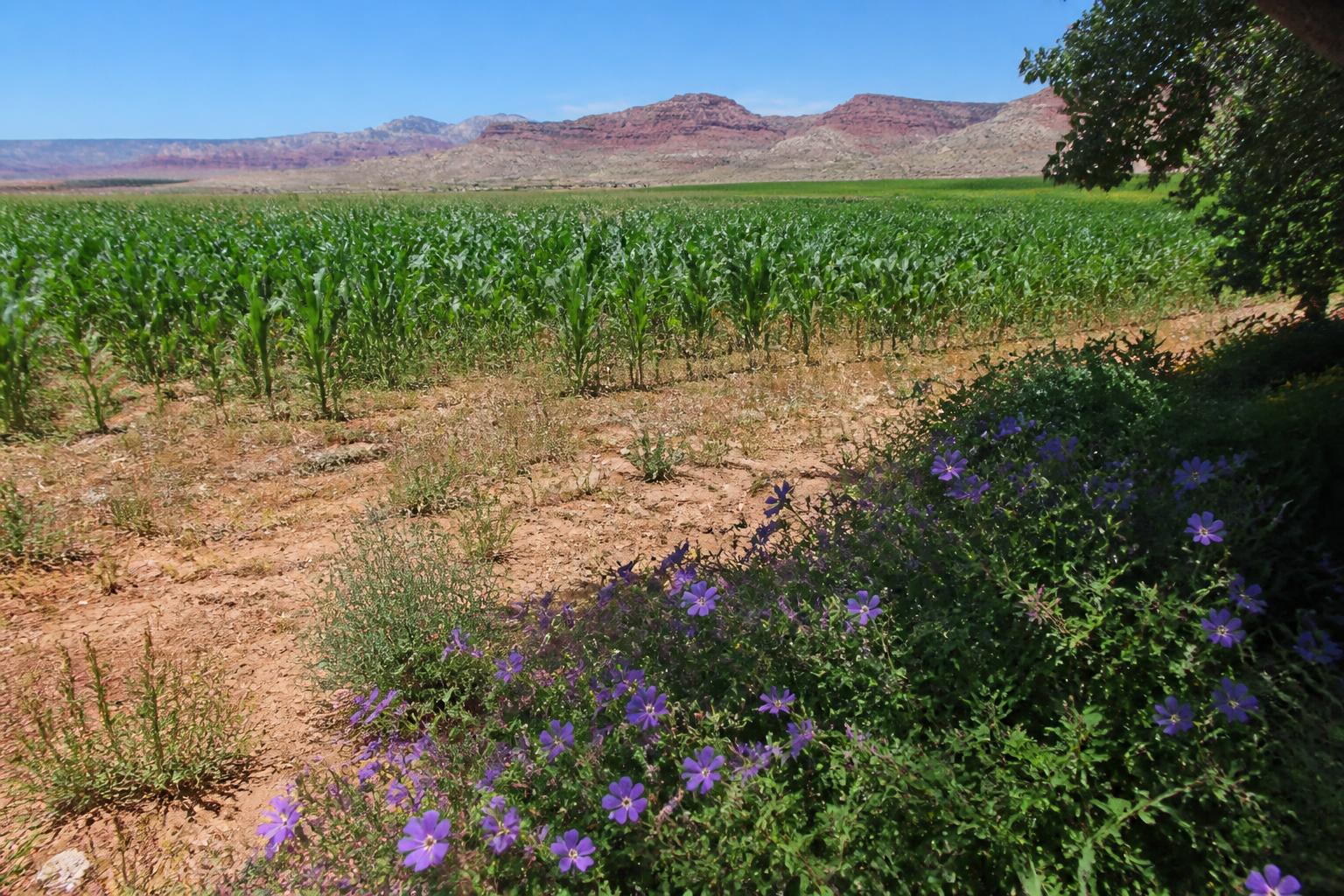
Utah growers are gaining new flexibility in their seasonal crop management strategies as regulatory approvals for novel biofertility products arrive for the state. The recent registration of TerraSante marks a notable development for producers looking to diversify their crop protection and fertility toolkit. As summer heat continues to influence soil health and plant resilience across the Intermountain West, integrating biological solutions may help operations manage stress more effectively.
These developments come at a time when the agricultural landscape in Utah remains sensitive to broader market and environmental factors. Beyond input technology, producers are increasingly looking toward voluntary incentive programs to bolster long-term sustainability. These initiatives offer a path for regional farms to secure resources for conservation-focused practices, which can be essential in maintaining productivity during periods of prolonged drought and intense environmental pressure.
Navigating Evolving Regulatory and Supply Landscapes
The broader agricultural market is currently recalibrating under the influence of changing national policies and global supply chain dynamics. For Utah operations, the shift toward domestic fertilizer independence remains a central concern, as tariff discussions and international supply shifts continue to affect the predictability of input costs. Staying informed on these trends is increasingly vital for effective budget planning and procurement in the current season.
Managing Risk in the Field
While new tools reach the market, operational risks remain a primary focus for many Utah agribusinesses. Producers are advised to maintain vigilance regarding emerging threats, including the monitoring of regional disease outbreaks and the growing necessity for strict biosecurity protocols. Protecting the integrity of the harvest is a multifaceted challenge that requires a balanced approach to both modern synthetic inputs and emerging biological innovations.
What it means for the market: The arrival of new biological products provides a necessary lever for producers aiming to mitigate the impacts of environmental stress and input volatility. By pairing these innovations with available voluntary conservation incentives, Utah farmers can better position their operations to navigate the current climate and regulatory environment.
Comments
No comments yet - be the first to share your take.