
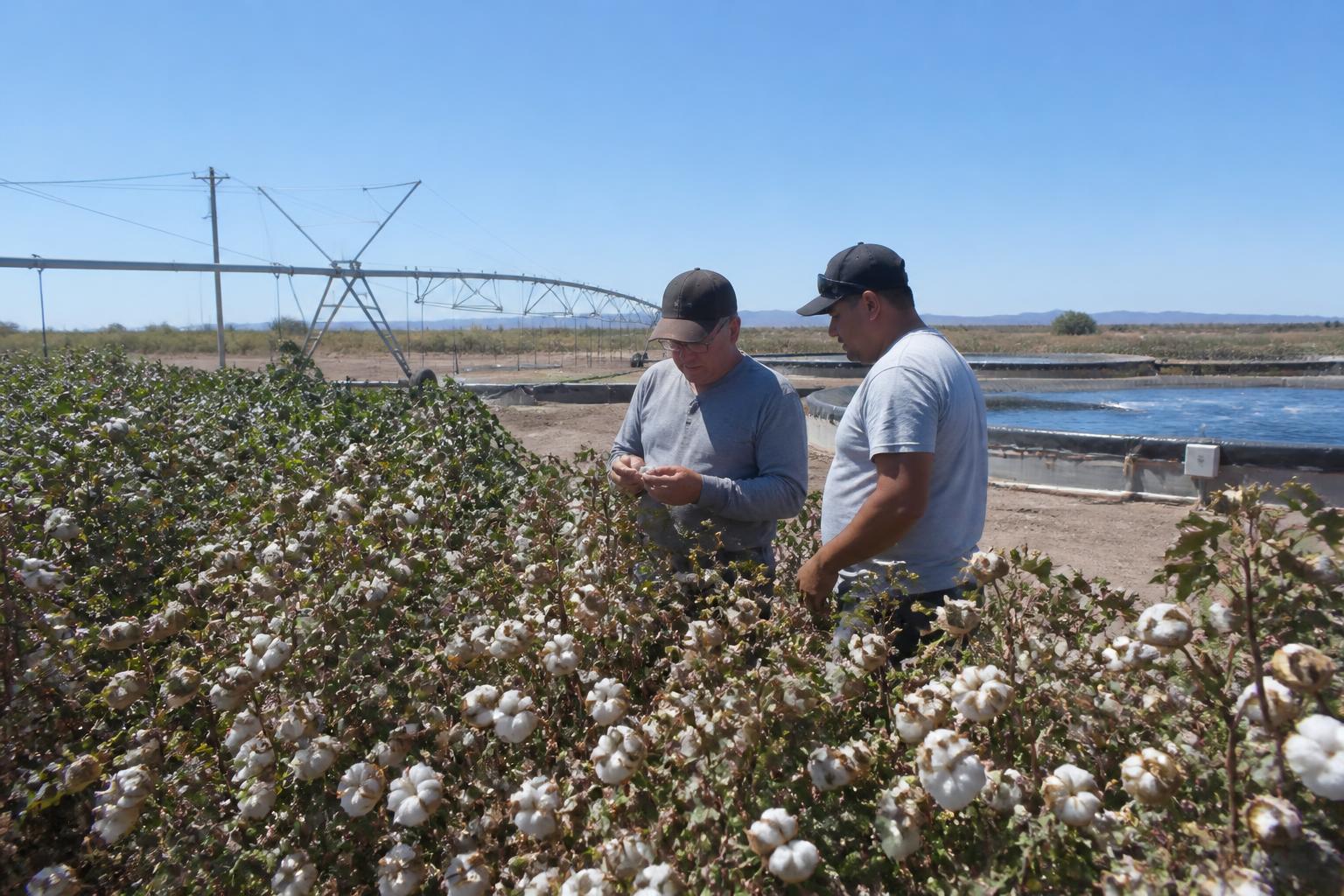
As mid-summer heat intensifies across the Arizona desert, the state's agricultural sector remains in a constant state of adjustment. For local growers and transport operators, the combination of extreme temperatures and seasonal infrastructure demands requires careful planning to maintain supply chain efficiency. Managing these environmental constraints is vital for producers aiming to protect high-value specialty crops during these peak periods.
Adapting to Environmental Pressures
The regional agricultural landscape is increasingly shaped by how producers manage water use and climate-sensitive production systems. While innovative agronomic solutions and logistical strategies continue to evolve, the focus remains on sustaining profitability amidst heightened scrutiny of resource allocation. Whether it is addressing crop-specific diseases that thrive in warmer conditions or managing the transport of sensitive perishables, the ability to adapt to desert climate volatility is a core competency for successful agribusinesses in the region.
Logistics and Seed Quality Initiatives
Beyond the field, there is a renewed emphasis on the foundational elements of production. Industry stakeholders, including the state's farm bureau representatives, are actively working to refine seed quality standards, which are critical for long-term yield stability in Arizona's unique soil and climate conditions. Improved seed quality not only benefits on-farm productivity but also supports the downstream efficiency of regional processing and distribution networks, ensuring that high-quality harvests can be consistently moved to market.
What it means for the market
For market participants, the current climate points to a period of heightened operational precision. Growers who invest in resilient crop management and robust logistics planning are better positioned to navigate potential disruptions. As the summer progresses, keeping a close watch on regional infrastructure throughput and the evolving landscape of specialty crop innovation will be essential for those looking to maintain a competitive edge in the Arizona agricultural sector.
Comments
No comments yet - be the first to share your take.