
Mid-summer in Arizona brings a familiar set of logistical pressures for growers and freight handlers alike. As temperatures climb across the desert floor, the state's agricultural supply chain faces the dual challenge of protecting sensitive cargo and navigating the physical constraints imposed by extreme heat on transit infrastructure.
Navigating Seasonal Transport Hurdles
For those managing logistics through the Arizona summer, the current environment necessitates a proactive stance. High heat often forces carriers to adjust delivery windows, typically pushing transit times to early morning or late evening hours to avoid peak temperatures that can compromise produce quality and increase maintenance risks for fleet equipment. Throughout regions like the Yuma Valley, these shifts in operational timing have become a standard, though challenging, component of seasonal planning.
Technology as a Tool for Efficiency
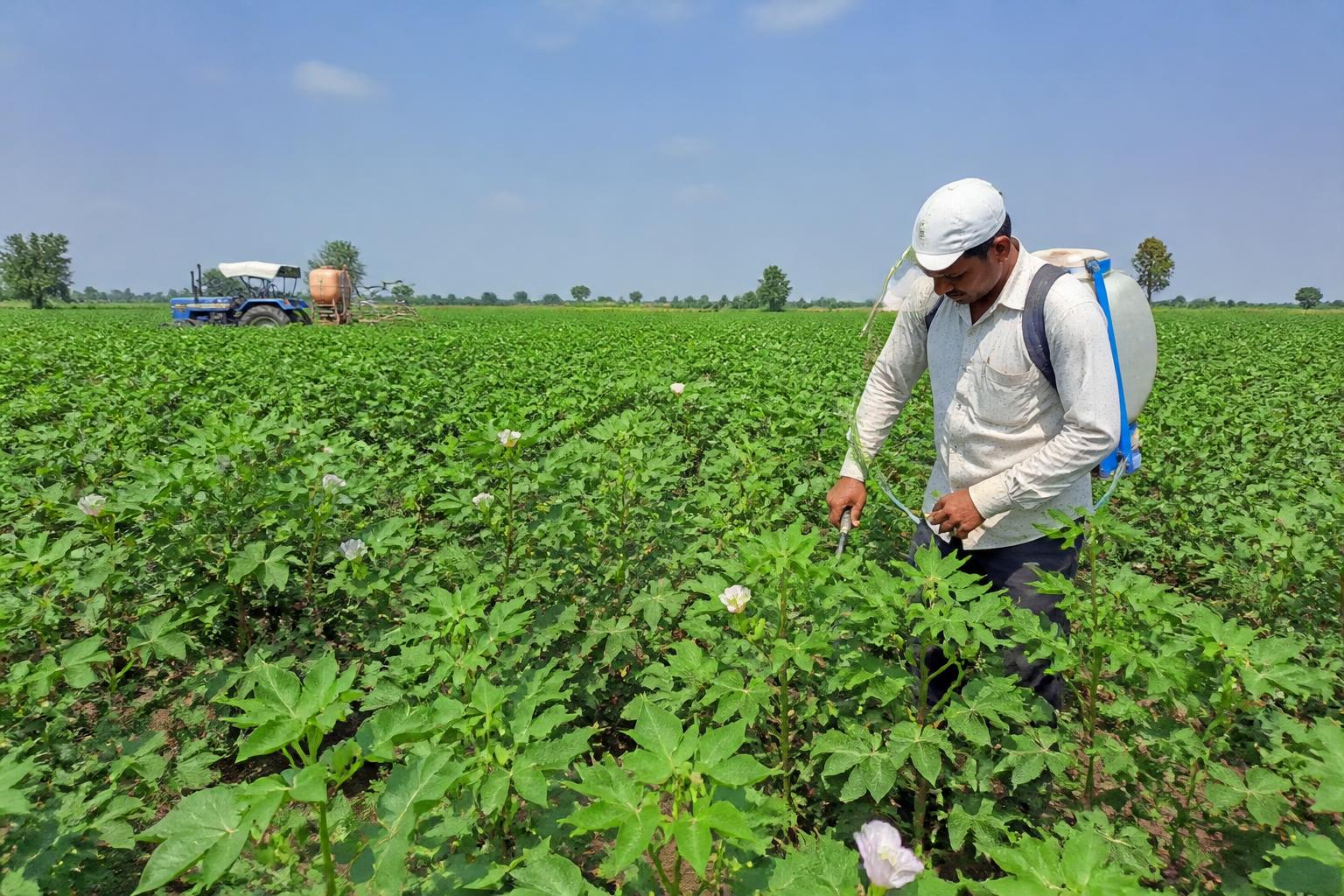
Beyond traditional logistics, some producers are finding ways to mitigate costs through improved resource management. The adoption of advanced fertilizer dosing systems is one example of how operations are attempting to streamline inputs to stabilize margins. By optimizing delivery of essential nutrients, growers can often reduce overhead even when external market pressures, such as shifting acreage or volatile fuel costs, create uncertainty in the broader regional landscape.
Adapting to Wider Supply Chain Realities
The broader Arizona harvest cycle is also increasingly influenced by national weather trends, which have seen a mix of drought and heat waves ripple across the Southwest. While local teams remain focused on immediate transport needs, staying informed about broader market headwinds is essential for anticipating how labor availability and storage capacity might fluctuate as the season progresses.
What it means for the market
For Arizona farmers and carriers, the takeaway remains clear: flexibility is a competitive advantage. Prioritizing equipment reliability in high-heat conditions and leveraging precision tools can help insulate operations from the worst of the summer volatility. As the season nears its midpoint, maintaining consistent communication across the supply chain is the most reliable way to navigate these predictable, yet taxing, summer constraints.
Comments
No comments yet - be the first to share your take.