
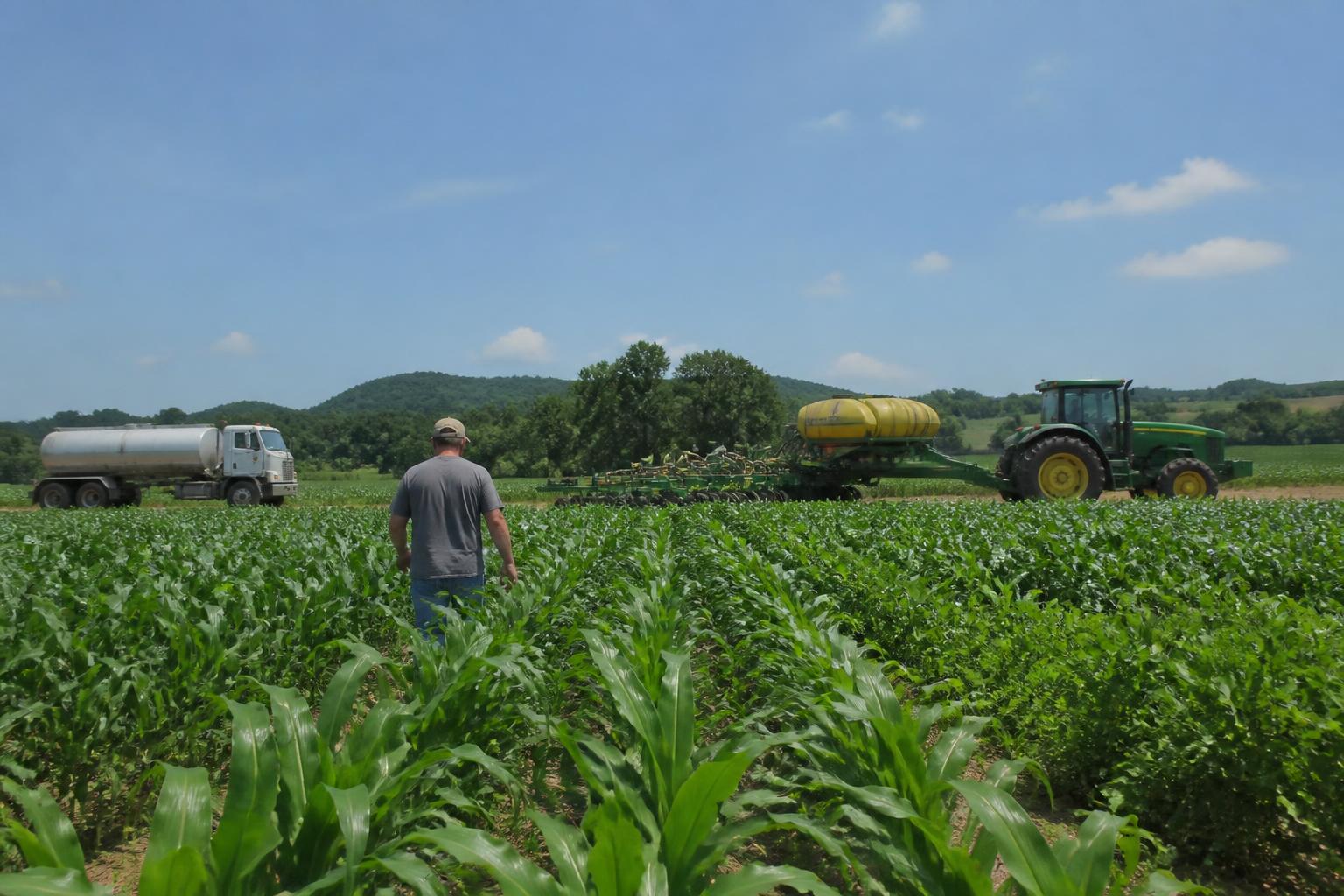
As the Massachusetts agricultural season hits its mid-summer stride, producers across the state are focusing on balancing labor efficiency with the reality of persistent cost pressures. For many operations, the current market landscape is defined by the high price of essential inputs, specifically fuel and fertilizer, which continue to challenge bottom lines even as harvest activities begin to ramp up in select regions.
Local growers are increasingly turning toward operational agility to mitigate these challenges. Whether managing specialized crops in the fertile valley regions or coordinating logistics near the state's central transportation corridors, finding ways to stretch resources is becoming a primary focus. For more on how local management strategies are evolving, see Scaling Sustainable Crop Protection in Massachusetts: Trends for Summer Field Management.
Efficiency Through Technology
With overhead costs remaining a significant concern, some Massachusetts agribusinesses are evaluating capital investments as a long-term hedge against rising expenses. Robotics and precision-oriented technology are finding a niche in local fields, helping to optimize output and reduce the need for manual intervention during critical growth periods. These investments, while requiring upfront capital, are helping some farms maintain productivity despite the difficult price environment.
Supply Chain and Logistics Dynamics
The movement of goods remains a vital component of the Massachusetts agricultural network. Efficient freight and trucking connections are essential for getting inputs into the farm and moving finished products to distribution points. As growers continue to monitor Massachusetts Growers Monitor Evolving Nutrient Supply Chain Trends, maintaining strong relationships with local logistics providers has never been more important for keeping costs stable throughout the high-demand summer months.
What it means for the market
The current market environment requires a disciplined approach to input purchasing and logistics planning. While high costs for fuel and fertilizer remain a persistent headwind, the emphasis on technological efficiency and optimized supply chains suggests a sector that is adapting to sustain growth. Growers should continue to prioritize lean operations and explore integrated logistics solutions to protect margins throughout the remainder of the growing season.
Comments
No comments yet - be the first to share your take.