
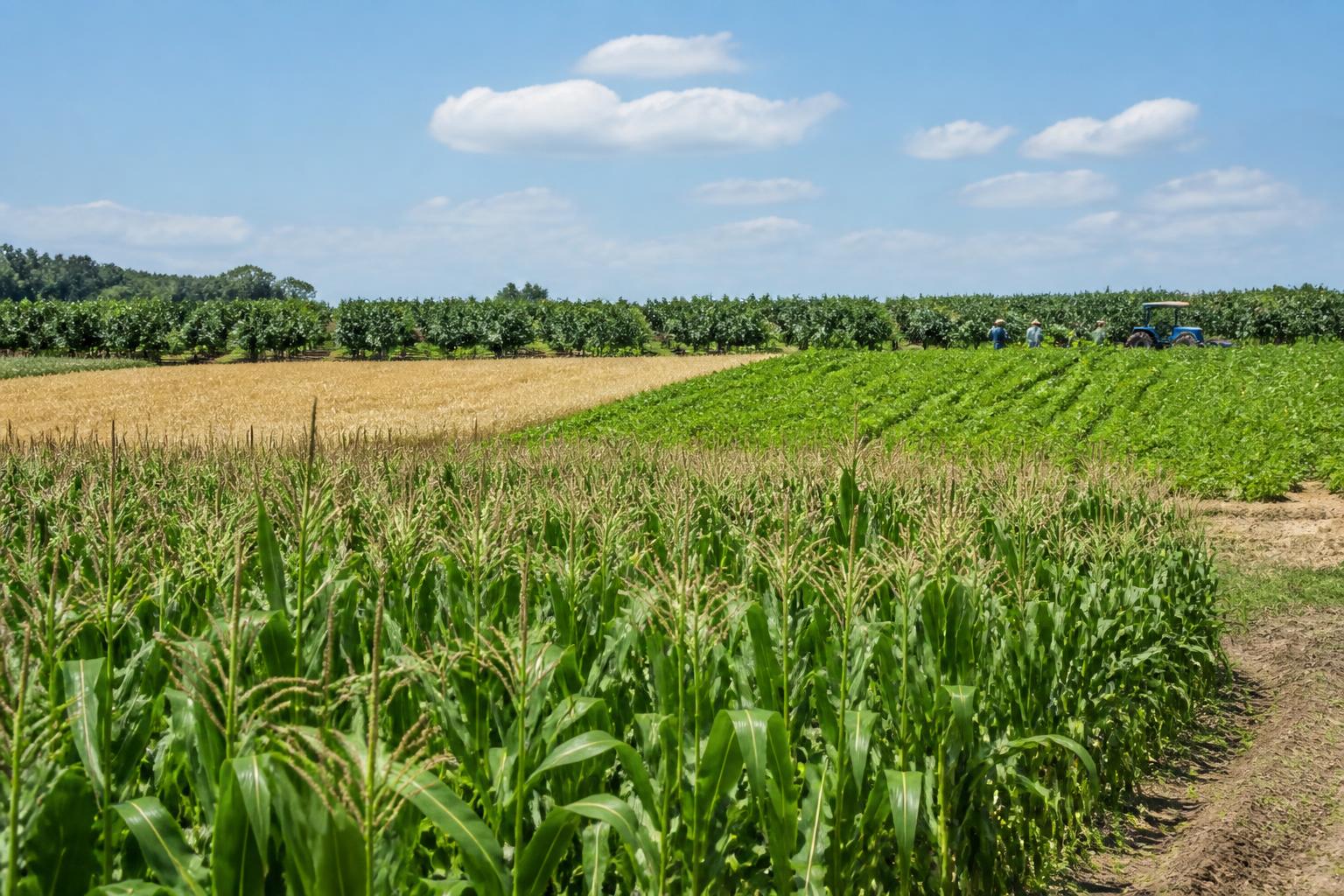
As Georgia farmers navigate the peak of the summer growing season, a significant consensus has emerged regarding the state's corn industry. Producers across the region have overwhelmingly voted to maintain the current assessment on corn, a move that reinforces the state's commitment to supporting commodity research, promotion, and market development programs. This decision arrives at a crucial time when growers are balancing high-intensity field management with the logistical demands of the mid-summer cycle.
For many agribusinesses and operators, this stability in industry funding provides a clearer outlook for regional grain infrastructure and long-term planning. While field crews remain focused on crop health and early-season monitoring, the extension of these programs ensures that Georgia corn remains competitive within the broader national market.
Aligning Operational Priorities
The current period is characterized by intense activity for Georgia's grain buyers and sellers, who are now assessing the potential impact of sustained industry investment on local supply chains. As transport corridors across the state see higher traffic volumes consistent with the summer season, operators are reminded that efficiency and safety remain paramount. Maintaining consistent, high-quality output requires not only sound agronomic practices but also meticulous attention to storage capacity and transport logistics, especially as producers prepare for the eventual harvest cycle.
Looking Ahead in the Fields
Beyond the grain sector, agricultural stakeholders in Georgia are simultaneously navigating concerns regarding crop-specific challenges, such as the management of Cylindrocladium Black Rot (CBR) in peanut fields and the ongoing optimization of fertilizer applications for cotton. These operational hurdles are common in the mid-summer heat, requiring producers to stay agile and responsive to environmental conditions. As the state's agricultural department continues to re-establish its enforcement divisions, farmers are also encouraged to maintain high standards for equipment safety, including the diligent use of proper signage and restraint systems when moving machinery between plots.
What it means for the market
The decision to continue the corn assessment is a positive indicator of grower-led stability, providing a firm foundation for upcoming market cycles. As summer progresses, the focus shifts toward maintaining yield potential and ensuring that local logistics networks remain unburdened. Agribusinesses should prepare for a steady demand in inputs and service support as the industry leverages this sustained collective funding to drive efficiency throughout the harvest season.
Comments
No comments yet - be the first to share your take.