
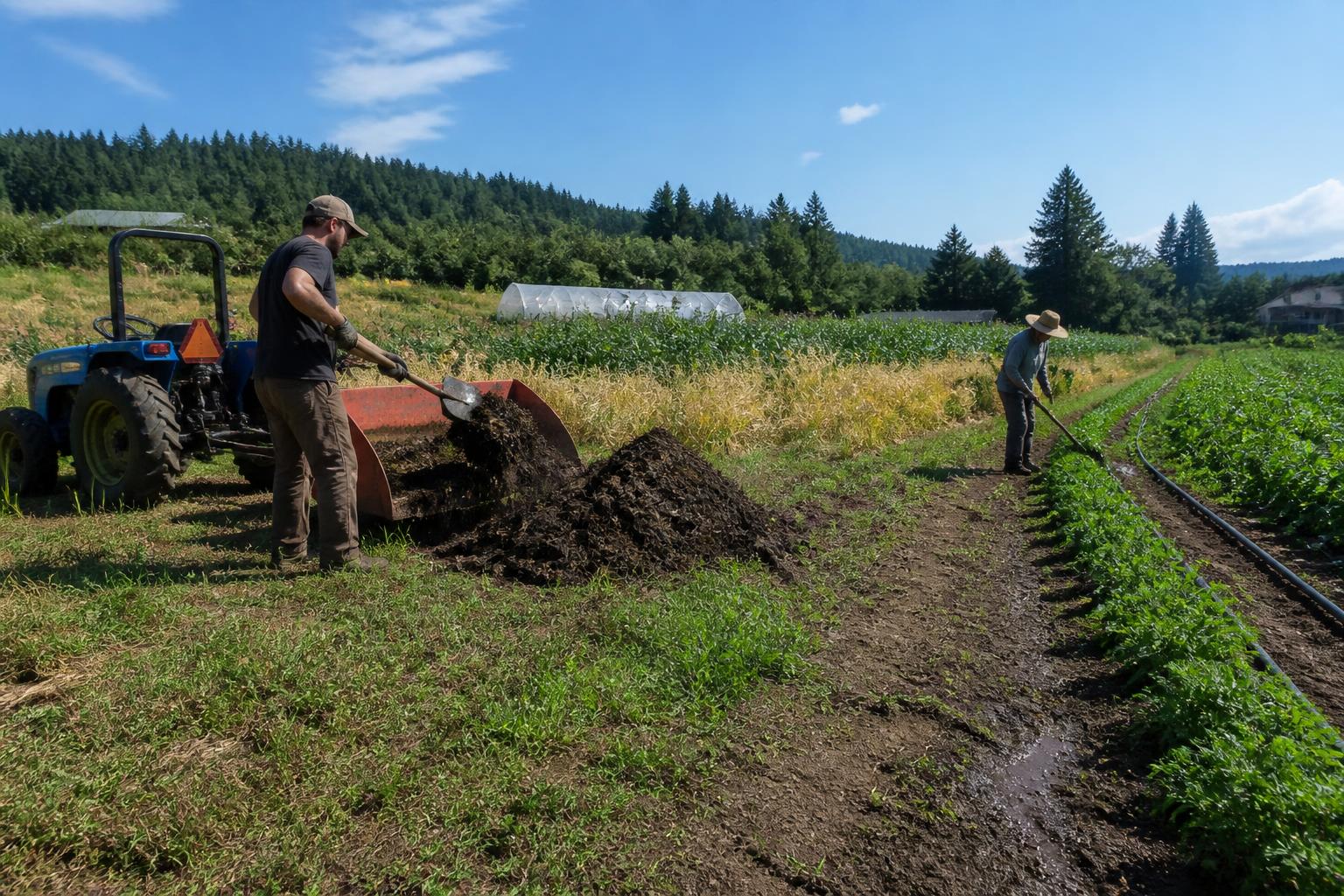
Rising Input Costs Weigh on Oregon Producers
As we move through the heart of the summer season, Oregon farmers are navigating a challenging economic environment characterized by persistent upward pressure on input costs. For many growers in the state, these elevated expenses for fertilizer, seed, and equipment maintenance are creating significant hurdles for seasonal profitability. The accumulation of these operational costs often pushes producers into narrow margins, forcing a shift toward more cautious financial planning and resource management.
This ongoing squeeze on farm balance sheets is compounded by broader market volatility, which can complicate long-term investment decisions. Producers are encouraged to evaluate their supply chains and consider collaborative strategies to mitigate the impact of price hikes. As rising input costs in Oregon continue to influence decision-making, staying informed on localized logistics and supplier availability remains a critical priority for agribusinesses across the state.
Resource Management in a Tight Market
Beyond the financial strain, water supply remains a critical point of concern, particularly for those operating in central parts of the state. With drought conditions creating mounting pressure on irrigation, many farms are being forced to optimize water usage while simultaneously managing nutrient application and soil health. Efficiency has transitioned from an operational goal to a survival necessity.
The integration of new technologies and adaptive management practices is helping some growers bridge the gap. Whether through more precise fertilizer application or diversifying the types of inputs utilized, the focus remains on extracting maximum value from every acre. Agricultural cooperatives and supply chains play a key role in this, often acting as a buffer for farmers looking to secure essential supplies during periods of constrained availability.
What it means for the market
The current market environment demands a heightened level of vigilance regarding input procurement and resource allocation. As producers work to navigate high costs alongside environmental constraints, market participants should anticipate a continued emphasis on efficiency and sustainable cost-saving measures. Moving forward, the resilience of the Oregon agricultural sector will rely heavily on the ability to balance immediate production demands with the fiscal realities of the current agricultural season.
Comments
No comments yet - be the first to share your take.