
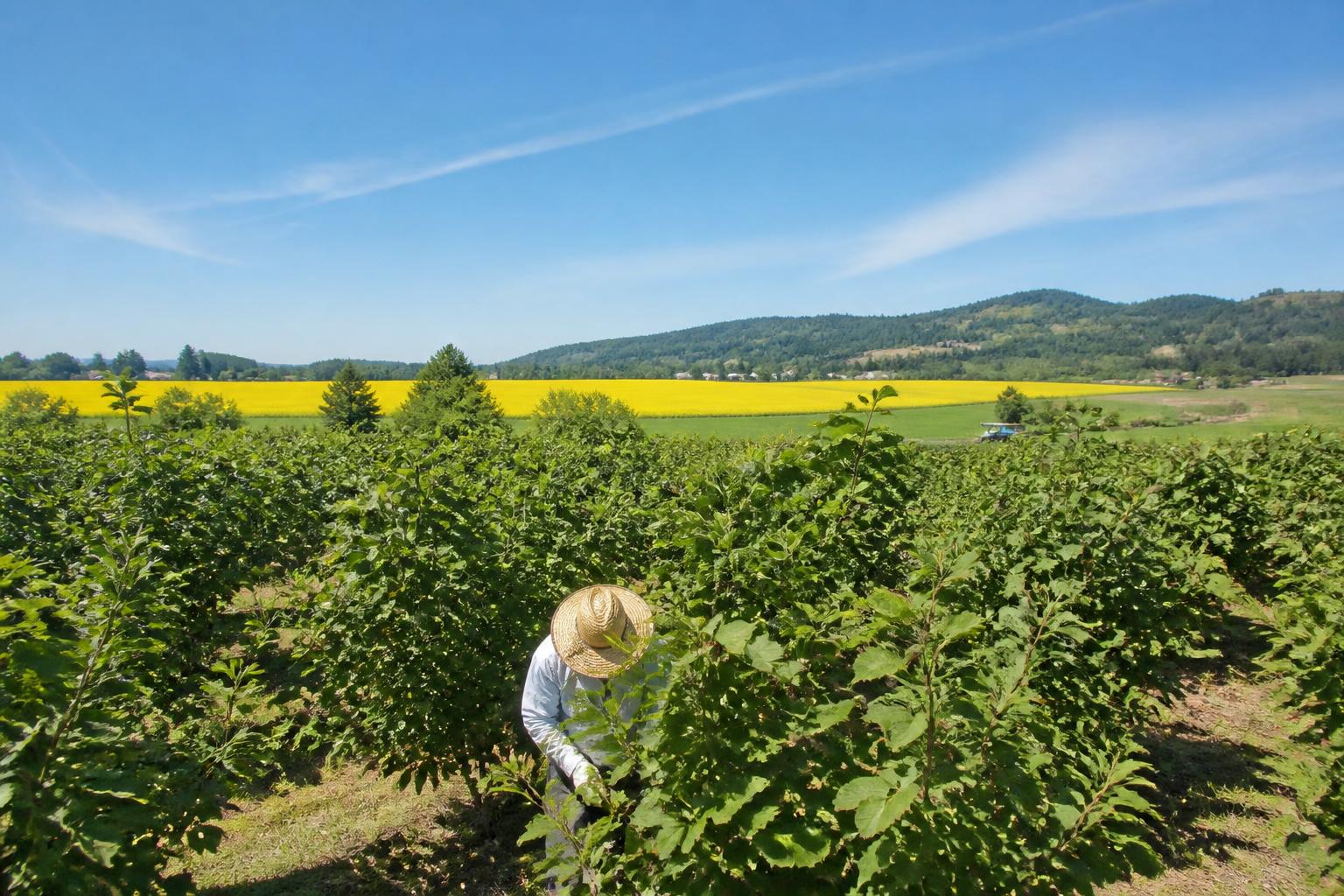
Oregon agricultural producers are currently balancing mid-summer operational demands against a complex landscape of rising expenses and evolving land-use policies. From the Willamette Valley to the inland regions, growers are feeling the pressure of sustained costs for essential inputs, including fuel and fertilizers. These financial strains are compounded by broader conversations regarding the viability of diverse crop rotations and the integration of new environmental management practices.
Managing Operational Costs and Inputs
For many Oregon farm businesses, the current season has brought a renewed focus on risk management and resource efficiency. Fluctuations in input prices often disrupt seasonal planning, forcing managers to reconsider their approaches to soil health and fertility. As producers navigate these overhead challenges, staying informed on mid-summer fertilizer adjustments has become essential for maintaining yield potential. The push for better stewardship of waterways and land has also brought increased attention to the implementation of buffer zones, which represent both an environmental opportunity and a operational shift for those working near stream corridors.
Regulatory and Policy Pressures
The legislative environment in Oregon continues to intersect with field-level decisions. Discussions surrounding agricultural permits, particularly for larger-scale operations, remain a focal point for the industry. Simultaneously, producers are closely monitoring developments in state-level policies that could influence crop choices, such as the ongoing debates regarding canola production in sensitive regional valleys. These policy layers often add uncertainty to long-term capital investments, making it vital for agribusinesses to remain agile.
Technological Integration in Practice
Amidst these headwinds, there is a clear trend toward leveraging research to mitigate risks. Whether it is utilizing academic studies to address pest pressures in specialized crops like hazelnuts or exploring innovative feed trials to potentially reduce methane in livestock, Oregon growers are increasingly looking toward scientific advancements to stabilize their bottom line. The adoption of controlled-environment technologies, including greenhouses and tunnel systems, also serves as a strategic method to offset the volatility of Oregon's diverse coastal and inland climates.
What it means for the market
For farmers and handlers, the current environment demands a cautious approach to liquidity and resource allocation. As input costs remain sensitive to international trade factors and logistics, producers who prioritize efficient, data-backed management strategies are better positioned to weather seasonal fluctuations. Maintaining a close watch on legislative trends and utilizing state-level agricultural resources will be critical for navigating the remainder of the growing year successfully.
Comments
No comments yet - be the first to share your take.