
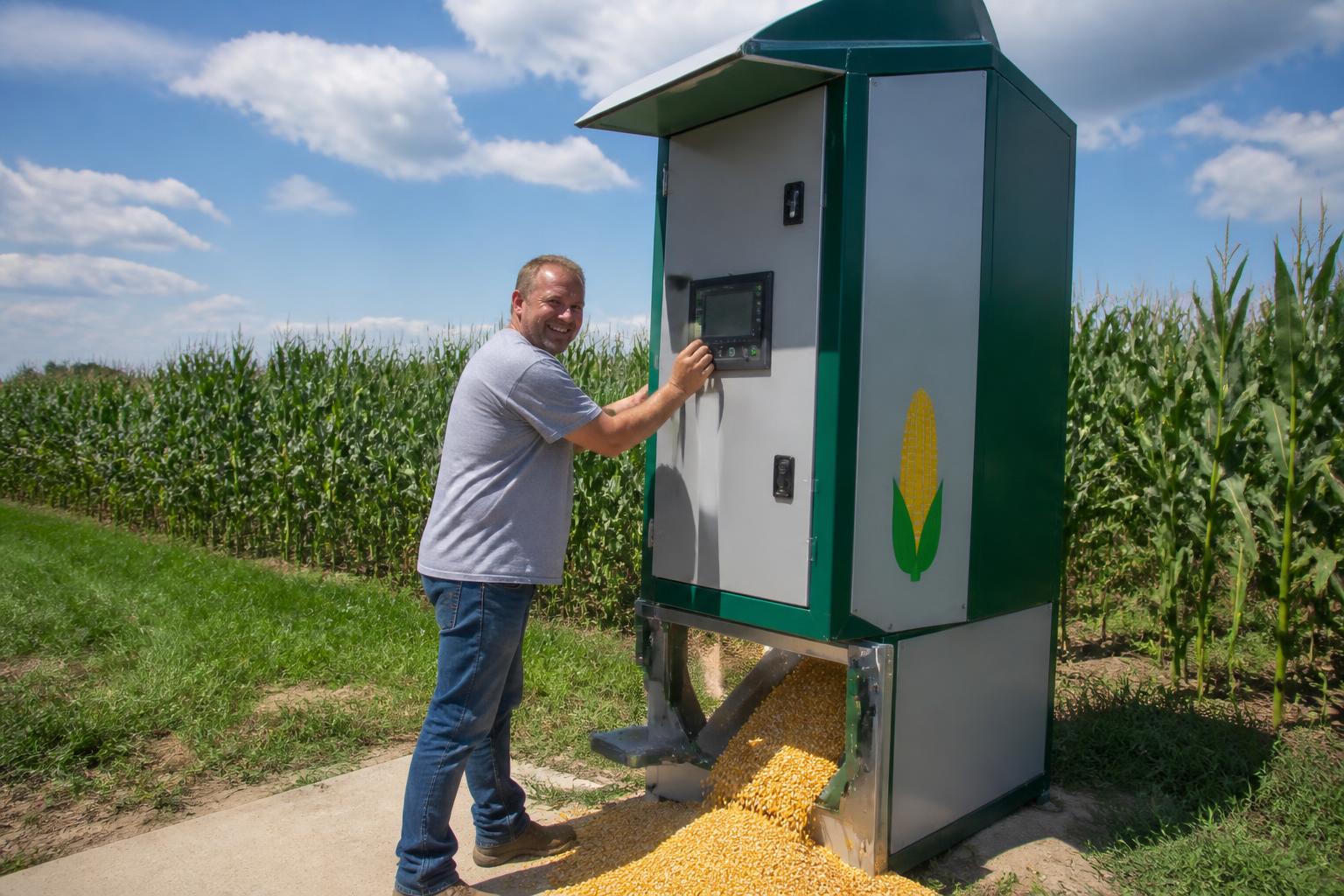
Focus on Compliance for Bulk Grain Equipment
As summer activities peak across Missouri, agricultural operators and grain handlers are being reminded of the necessity of maintaining state-approved equipment for all commercial transactions. Recent regulatory oversight has highlighted that specific bulk grain vending systems currently in use may not be classified as legal-for-trade within the state. For those managing grain elevators or mobile vending operations near key hubs like the Missouri or Mississippi River corridors, ensuring that weighing and measuring devices meet certified standards is essential to maintain market integrity.
The Importance of Certified Weighing in Missouri
Proper calibration of equipment is a cornerstone of Missouri agricultural stability. When machines are not explicitly certified for trade, it creates significant risk for both buyers and sellers, potentially leading to inaccurate volume reporting and regulatory penalties. Grain handlers should verify that their equipment carries the appropriate state seals or approvals to avoid disruptions during the busy season. Regular maintenance checks are typically recommended, especially for units that see high turnover in rural Missouri communities.
Managing Seasonal Logistical Demands
Operating machinery in summer, whether it involves grain handling or crop maintenance, requires close attention to regional compliance and safety protocols. Beyond the technical specifications of vending units, producers often find success by streamlining their logistics through verified, legal-for-trade equipment. Whether you are operating out of the Bootheel or the rolling hills of the north, keeping your equipment updated prevents bottlenecks and ensures that your business stays compliant with the latest state mandates.
Key Takeaways
- Confirm all grain vending and weighing units are marked as legal-for-trade in Missouri.
- State oversight is tightening on non-certified equipment used in direct-to-consumer grain sales.
- Proactive maintenance of weighing equipment reduces the risk of legal or financial setbacks.
What it means for the market: For farmers and local agribusinesses, these reminders underscore a broader move toward greater transparency and standardized operations across the state. By ensuring that all transactional equipment is fully compliant, grain handlers can reduce liability and foster trust with local customers. Operators who prioritize certified hardware today are better positioned to navigate future regulatory shifts without sudden interruptions to their daily workflows.
Comments
No comments yet - be the first to share your take.