
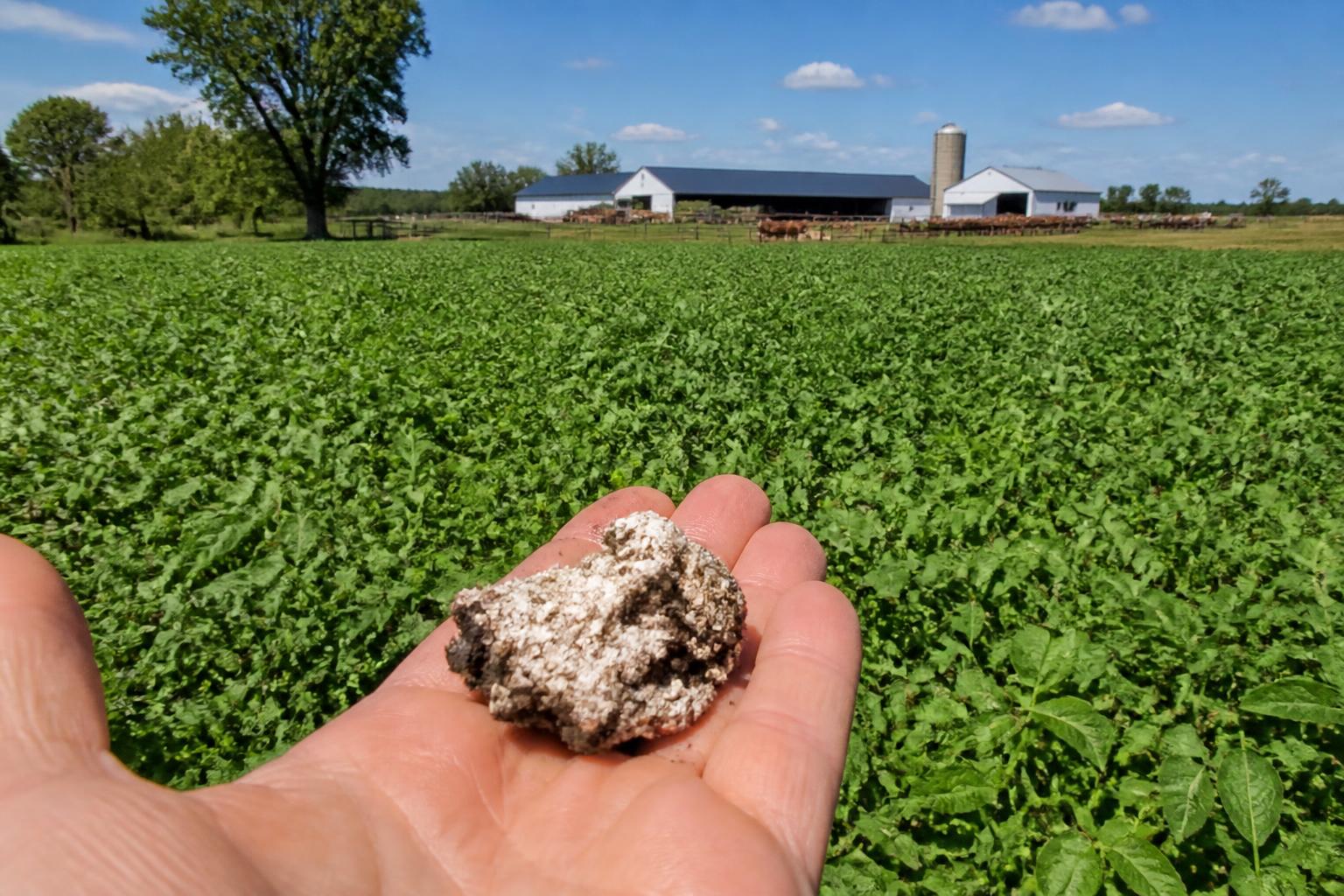
The Shift in Indiana Nutrient Management
As we move through the summer season in Indiana, the focus for many producers is shifting toward long-term soil viability and efficient nutrient application. While synthetic inputs remain a cornerstone of local corn and soybean production, there is a growing recognition that soil health initiatives, such as the widespread adoption of cover crops, are playing an increasingly critical role in maximizing the efficacy of existing fertilizer programs.
Building Resilience Through Cover Crops
Recent trends indicate that Indiana farmers have significantly increased their investment in soil sustainability, with reports showing over a million acres now dedicated to cover cropping. For agribusinesses and input retailers, this represents a transition in how fertilizer is viewed; rather than relying solely on synthetic additions, many growers are integrating cover crops to improve nitrogen retention and soil structure. This practice can help stabilize nutrient availability, which is particularly beneficial during the erratic weather patterns often seen across the Midwest.
As you manage your inputs for the coming seasons, it is worth considering how these biological practices might impact your infrastructure requirements and long-term crop protection needs. The integration of these crops is not just an environmental choice but a logistical one, impacting how and when you apply lime, phosphorus, or nitrogen-based amendments to your fields.
What it means for the market
The rise in cover crop acreage suggests a maturing market where Indiana producers are seeking to insulate their operations from volatile input costs. By improving soil organic matter and nutrient cycling, growers may reduce their dependence on intensive chemical inputs over time. For grain handlers and input suppliers, this shift signals a need for more nuanced, site-specific fertilizer recommendations that account for the residual nitrogen provided by cover crops, rather than relying on blanket application strategies. Keeping a close eye on regional soil health data will likely become a competitive advantage for those looking to optimize their cost-per-acre heading into the fall harvest season.
Comments
No comments yet - be the first to share your take.