
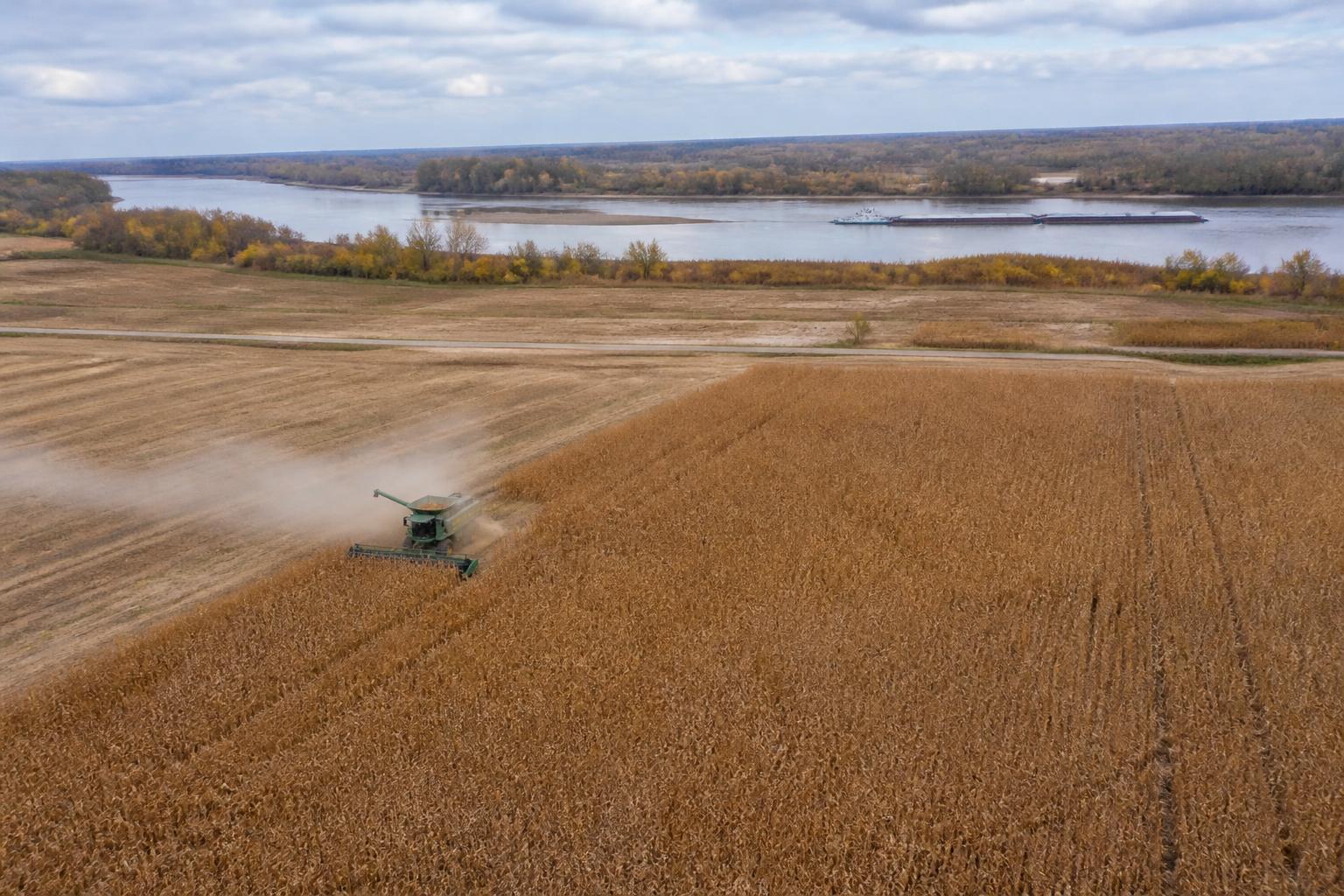
Mississippi growers and agribusinesses are currently navigating a complex logistical landscape as low water levels on the Mississippi River continue to influence regional market dynamics. As the fall harvest progresses across the Delta, transportation bottlenecks have created a ripple effect, impacting not just grain movement, but the cost and availability of essential inputs like fertilizers.
While farmers remain focused on protecting yield potential for late-season soybean crops, the broader supply chain is dealing with the reality of restricted navigation. The reduced capacity for barge traffic has limited the traditional flow of commodities out of the state, and in turn, has affected the logistics of moving bulk fertilizers into inland storage and distribution centers.
Market Pressure on Input Costs
The current logistical challenges have contributed to a softening in wholesale fertilizer prices. In many sectors, when the primary distribution arteries of the Mississippi River face operational constraints, the market often experiences a localized surplus in areas where product is stranded or where demand has slowed due to shipping delays. For local dealers and cooperatives, this shift requires a careful re-evaluation of inventory management and procurement strategies for the upcoming season.
Despite these challenges, there remains a continued emphasis on sustainable land management. Effective logistics during the harvest window are crucial, as producers weigh the costs of alternative transportation methods versus potential price fluctuations in the fertilizer market. The transition of grain movement patterns into New Orleans, which has deviated from standard historical routes this fall, underscores the volatility currently present in the logistics chain.
Strategic Considerations for Growers
Agribusinesses are encouraged to maintain close communication with their suppliers regarding delivery windows. With river levels remaining a moving target, the predictability of freight costs is lower than in typical years. Monitoring the regional spread between wholesale costs and local retail pricing will be key for producers planning their nutrient programs for next spring, particularly as the industry waits to see how long these logistical headwinds persist.
What it means for the market: The combination of lower wholesale fertilizer prices and restrictive river logistics creates a paradoxical environment for Mississippi producers. While lower input costs may offer some financial relief, the heightened uncertainty surrounding shipping reliability necessitates a more proactive approach to securing supplies. Farmers who leverage on-farm storage or coordinate early input deliveries may find themselves better insulated against potential service gaps as the market navigates these low-water conditions.
Comments
No comments yet - be the first to share your take.