
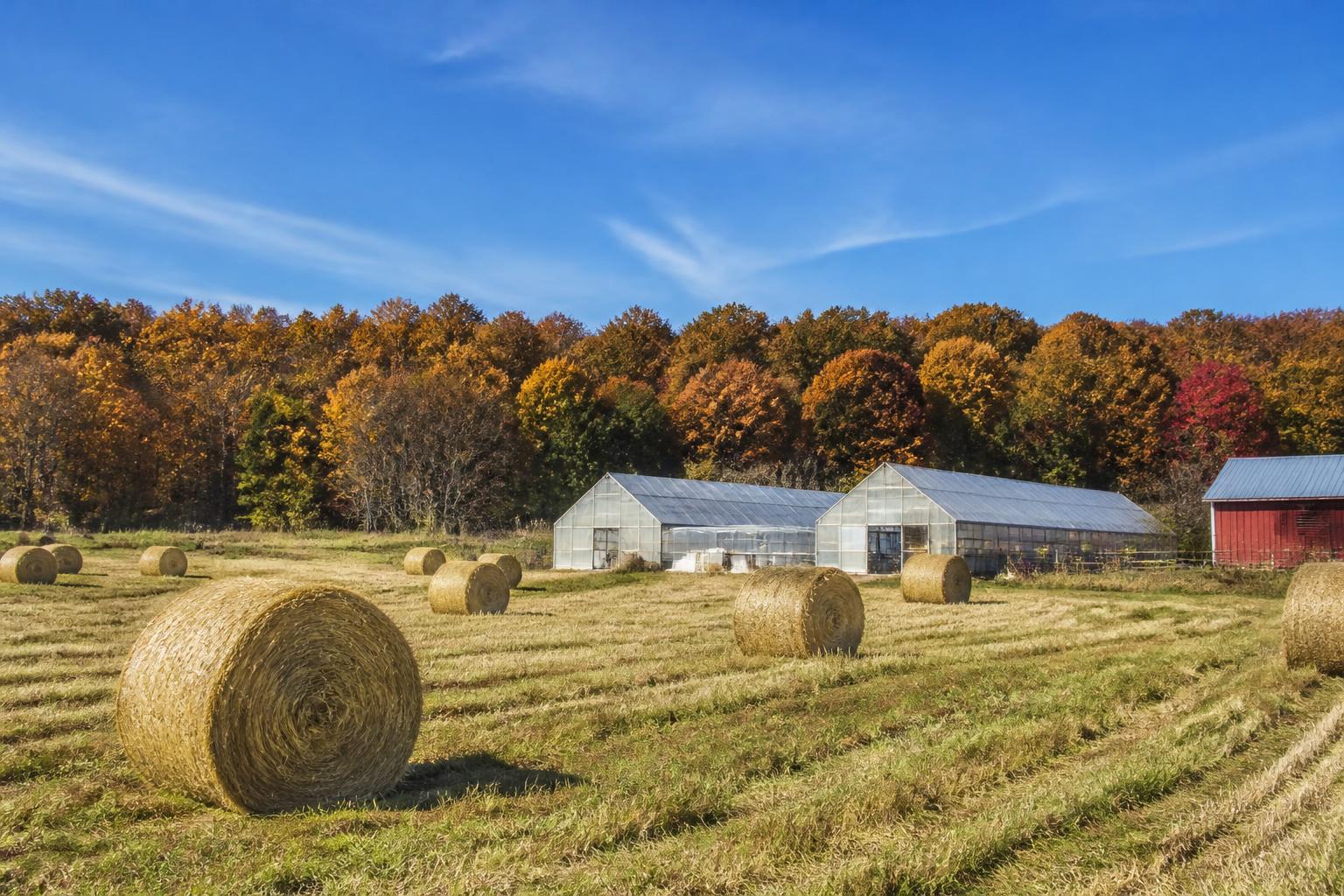
Adapting to New Cultivation Standards
As we move through the harvest tail-end in Wyoming, the conversation among regional producers is increasingly shifting toward technology-driven production methods. Recent initiatives to foster controlled environment agriculture (CEA) within the state are drawing attention to how producers might diversify their output. By integrating these systems, some agricultural businesses aim to extend the traditional growing window, a strategy that could mitigate the risks associated with the state's short and often unpredictable high-plains growing season.
Research and Infrastructure Investments
A key driver for regional modernization is the continued focus on research-led agronomy. For example, recent expansions in plant growth facilities at the University of Wyoming underscore a commitment to high-precision plant science. These advancements are expected to provide local growers with better data on how to optimize fertilizer application and soil amendments for climate-resilient crops. Understanding the evolving fertilizer market in Wyoming remains critical as these new research trials begin to yield insights into localized nutrient management.
Land Valuation and Utility
In addition to technological shifts, the traditional land market remains a cornerstone of the state's economy. Recent activity, including the public auction of high-value hay-focused properties, signals that despite shifts toward advanced cultivation techniques, the fundamental demand for productive, well-located pasture and forage ground remains robust. For those managing input costs, these transactions reflect the premium placed on legacy land holdings that are already equipped for standard regional crop rotations.
What it means for the market
For Wyoming agribusinesses, the intersection of CEA technology and traditional forage production indicates a more bifurcated future. While conventional producers should keep a close eye on land auction trends to gauge current asset value, those looking to modernize operations should watch for upcoming educational opportunities linked to the state's push for indoor cultivation infrastructure. Leveraging these new research tools may help producers lower unit costs over time, though initial capital investment for such tech remains a significant barrier for many independent farms.
Comments
No comments yet - be the first to share your take.