
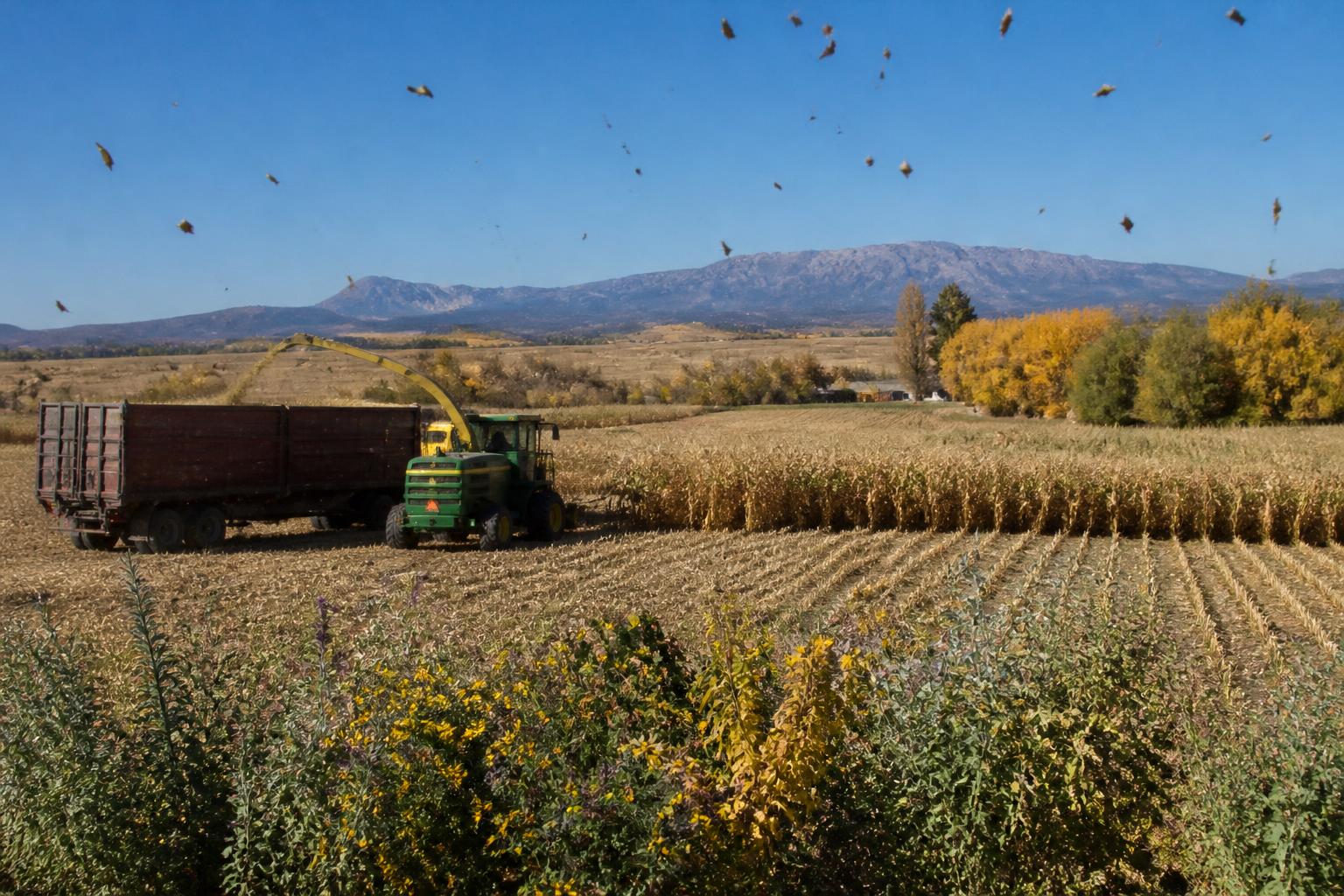
As the fall harvest season winds down across Colorado, agribusinesses and producers are shifting their focus toward input planning for the upcoming crop year. With global fertilizer markets experiencing renewed pricing pressure, securing necessary crop nutrition requires careful coordination. Producers in regions ranging from the Eastern Plains to the Western Slope should remain vigilant regarding potential supply chain disruptions, as infrastructure issues have recently necessitated the rerouting of freight, including essential fertilizer supplies, across broader rail networks.
Supply Chain Realities and Market Headwinds
The current logistical landscape, marked by occasional rerouting of rail-bound freight due to weather-related events, can often lead to inconsistent delivery windows for bulk inputs. For operations relying on just-in-time delivery for fall applications or early spring preparation, these variables may influence on-farm storage decisions. Market participants are increasingly monitoring global nitrogen asset developments, as major manufacturers continue to optimize their portfolios, which can affect regional product availability and price stability.
Understanding these macro-level shifts is essential for managing your bottom line, particularly when navigating the complexities of seed technology investments and farm program decisions. In some cases, producers may find that regional fertilizer dealers are adjusting their carry-over inventories in response to both global price volatility and localized demand fluctuations caused by recent weather-related yield impacts on local grain production.
Strategic Procurement Considerations
Beyond the logistical hurdles, input buyers are evaluating the long-term value of their soil fertility programs. As producers look toward 2027, the focus remains on balancing input costs against projected recovery trends in the broader agricultural economy. While specific manufacturer loyalty programs for crop protection products have recently faced regulatory scrutiny, the underlying goal for many Colorado operations remains the same: optimizing yields while hedging against input cost inflation.
Key Takeaways for Producers:
- Monitor local rail and regional transport updates to anticipate delivery delays for bulk fertilizer.
- Engage early with regional agronomists to align soil test results with realistic yield goals for the next season.
- Consider the potential for continued volatility in nitrogen and phosphate pricing when finalizing your annual operating budgets.
What it means for the market
For Colorado farmers, the current market climate necessitates a proactive rather than reactive stance on input procurement. By acknowledging the reality of constrained global supply and potential local transportation bottlenecks, operators can better insulate their farm businesses from sudden price spikes. Aligning with reliable suppliers now may provide the buffer needed to manage a challenging economic landscape as we look toward the 2027 season.
Comments
No comments yet - be the first to share your take.