
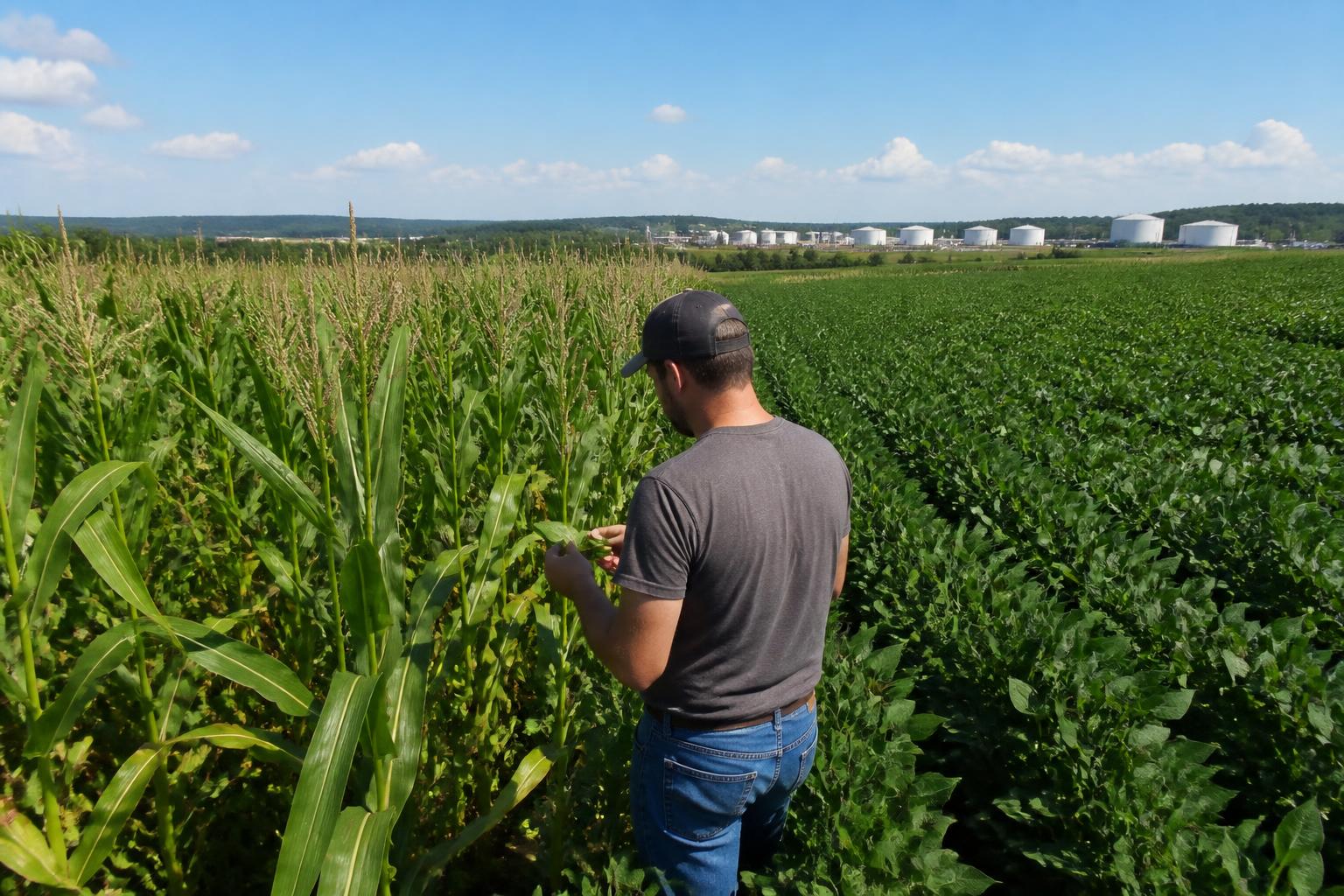
Mid-summer in Colorado brings a distinct focus on logistics and long-term planning for the state's grain sector. With the heat intensifying across the Eastern Plains and the Front Range, producers are managing both field operations and the broader supply chain requirements that define regional competitiveness. As transport networks continue to evolve, including ongoing infrastructure projects like the wildlife overpasses currently under construction above I-25, maintaining efficient movement of goods remains a priority for local elevators and haulers.
Infrastructure and Logistics Updates
Efficient movement of grain and inputs is vital for grain buyers and sellers in Colorado who must balance high-traffic corridors with seasonal demand. Recent investments in western infrastructure, such as the development of new propane terminals, signal an ongoing effort to strengthen the state's storage and distribution capabilities. These improvements are designed to help agribusinesses better manage energy needs and supply chain fluctuations, ensuring that critical inputs are available when they are most needed during the demanding harvest and planting cycles.
Yield Benchmarks and Market Expectations
As the season progresses, producers are beginning to integrate new federal yield data into their financial outlooks. The initial 2025 FSA yields and ARC-CO benchmarks for corn, wheat, and soybeans provide a necessary baseline for those assessing risk management strategies. While these figures offer a structured starting point, local producers know that soil moisture, localized weather patterns, and specific regional input costs remain the primary drivers of individual farm profitability. Incorporating these benchmarks into annual budget reviews can help stabilize decision-making amidst the typical market volatility seen in the grain sector.
What it means for the market
For Colorado grain handlers and growers, the combination of infrastructure expansion and updated federal guidance creates a framework for more proactive operations. Focusing on local logisitics—especially as construction projects continue to influence transit times along major arteries—and using updated yield data to refine financial plans can help producers remain resilient as the season moves toward harvest.
Comments
No comments yet - be the first to share your take.