
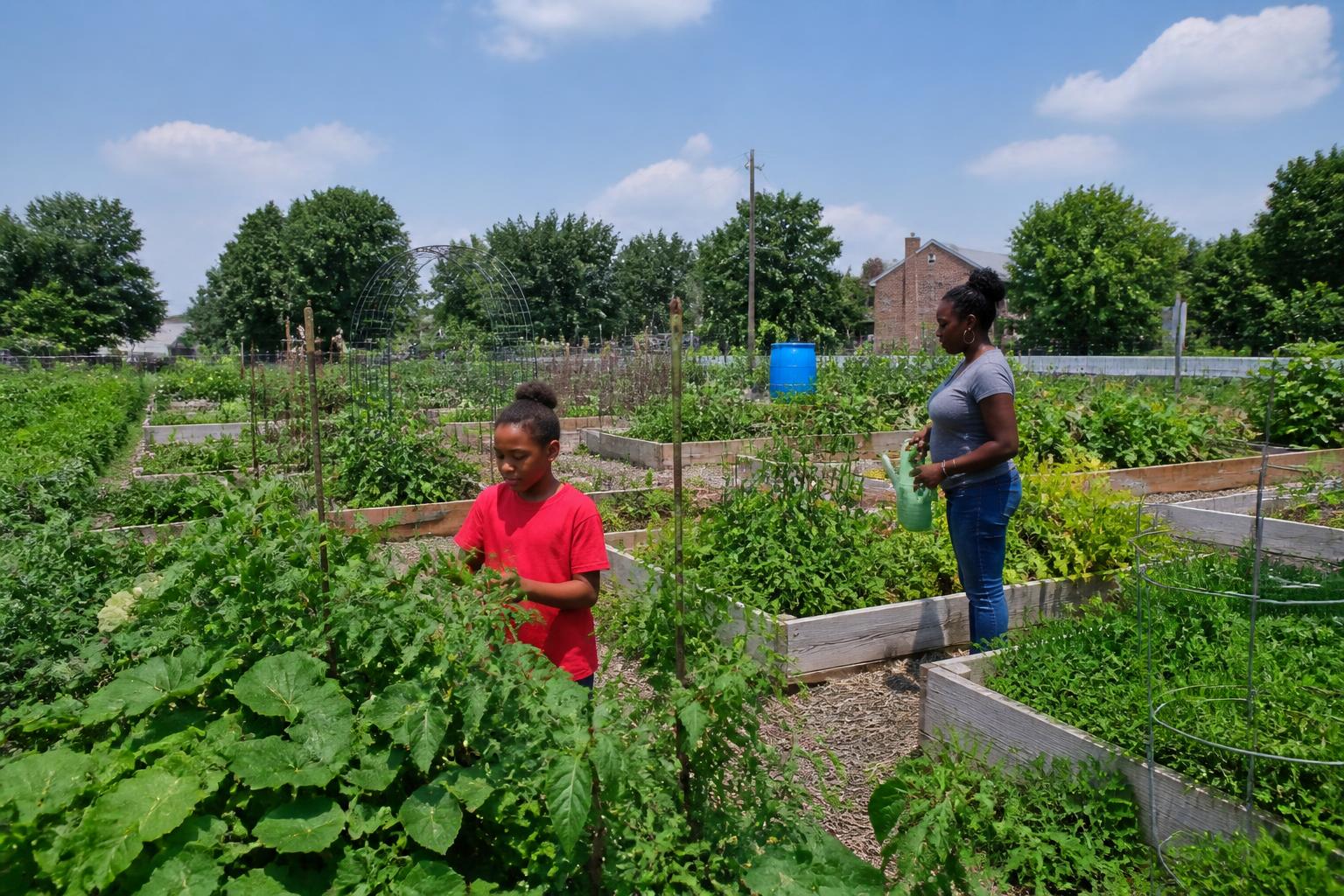
As the mid-summer heat continues to impact fields across Utah, agricultural producers are increasingly re-evaluating traditional crop rotations. With water availability remaining a primary constraint, many farms in valleys across the state are turning toward unconventional crops that prioritize water efficiency without sacrificing economic output.
This shift is part of a broader strategy to manage volatile production costs and optimize land use during the height of the summer growing season. By integrating crops that require less irrigation, producers may be able to better manage the financial pressures currently impacting the industry.
Resource Management and Soil Health
For those managing grain production in Utah, the focus is increasingly on long-term sustainability. Incorporating drought-tolerant varieties or alternative grains can offer a buffer against the high costs of conventional inputs, which remain elevated. In some counties, regional efforts to study the integration of these crops are helping farmers refine their seasonal planting schedules.
Understanding these shifts is essential for local grain handlers and elevators, who are monitoring how these changes might impact harvest volumes and local supply chains. Producers often find that these alternative systems support better soil health, potentially improving yield stability over several seasons.
Navigating Economic Pressures
With farm production costs remaining near record highs, financial agility is a top priority for Utah agribusinesses. The ability to pivot between traditional commodities and more resource-conscious crops may prove to be a significant advantage in the current market. Keeping a close eye on supply volatility and adjusting operational budgets accordingly continues to be a standard practice for successful operations.
Furthermore, as growers look to diversify, exploring new crop protection options or nutrient management tools may provide additional relief against rising overhead. While the market remains sensitive to external factors, localized water-conscious strategies offer a degree of control for individual producers.
What it means for the market
Utah agriculture is entering a period of adaptation where water conservation is becoming synonymous with market resilience. For grain handlers, input buyers, and producers, this means planning for a diverse mix of crops that can withstand environmental pressures while maintaining margins in a high-cost environment.
Comments
No comments yet - be the first to share your take.