
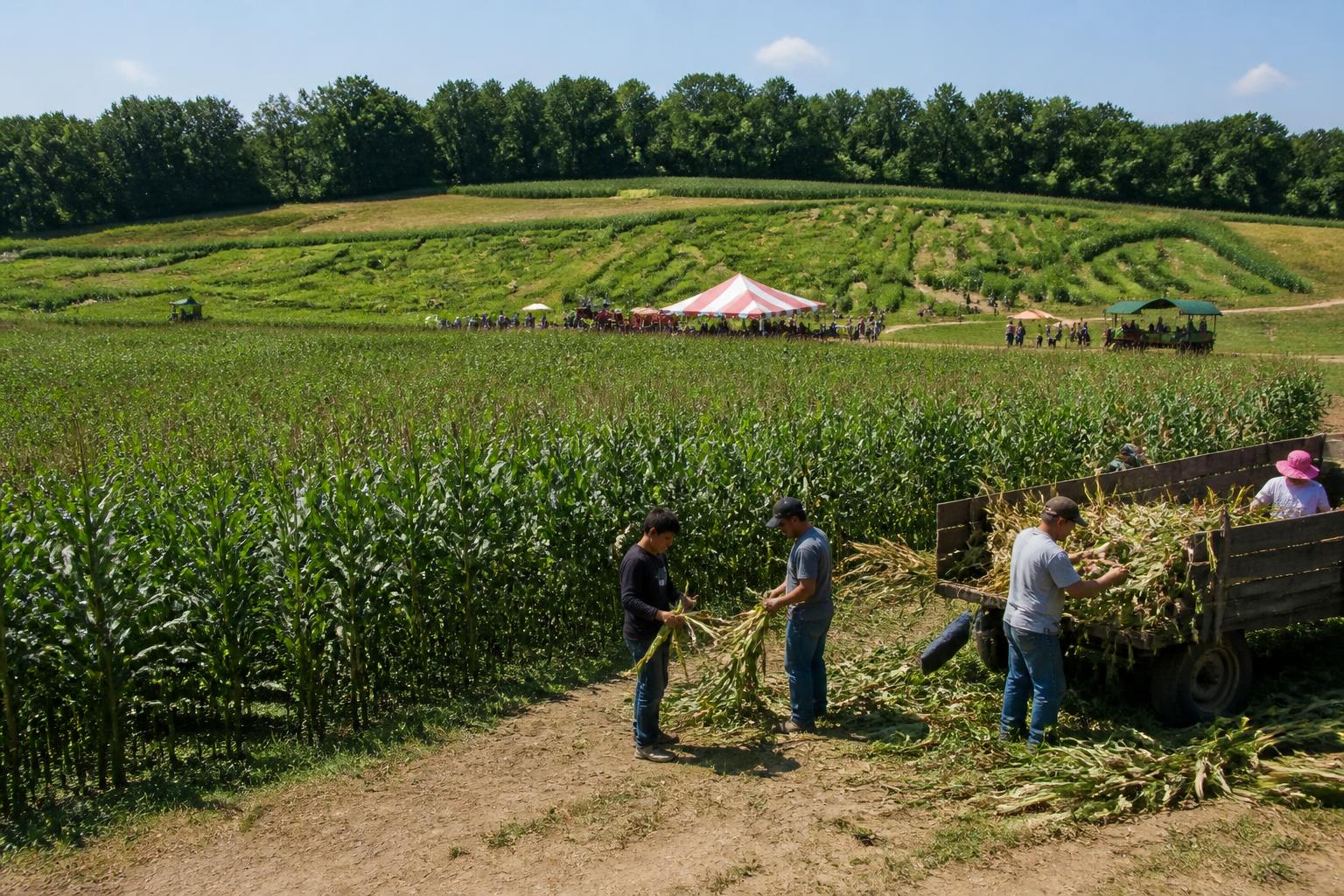
Mid-summer in New Jersey brings a distinct shift in pace as producers manage high-value specialty crops and prepare for the transition into late-season cycles. For grain handlers and logistics operators, the current environment remains sensitive to the interplay between regional demand and the pressures of efficient seasonal grain distribution. While the state-wide focus often leans heavily on agritourism and fresh market pick-your-own operations, the underlying infrastructure supporting the grain and input supply chain requires constant attention to keep commodities moving toward final destinations.
Managing Input Costs and Supply Chain Stability
Input markets continue to be a primary area of focus for New Jersey agribusinesses. Recent industry dialogue among corn growers has highlighted concerns regarding pricing transparency and the broader economic landscape influencing the state's fertilizer market. Maintaining margins in such a volatile environment requires diligent monitoring of procurement strategies and exploring cooperative purchasing models where applicable to mitigate external inflationary shocks.
Safety and Operational Efficiency
With field work peaking, safety remains the paramount concern for all logistics and farm operations. Moving heavy machinery across the state's arterial roads necessitates strict adherence to safety protocols, particularly as transit times fluctuate during peak harvest and movement windows. As noted in recent industry updates, managing high-value equipment and cargo security is vital, especially when navigating transport bottlenecks common during the height of the summer season.
Key Takeaways
- Prioritize regular maintenance checks for transport equipment to minimize downtime on public roadways.
- Evaluate early-season grain storage capacity to account for potential late-summer weather fluctuations.
- Maintain clear lines of communication with regional input distributors to anticipate potential inventory shortages.
What it means for the market: For New Jersey grain handlers and transport providers, the remainder of the summer season will likely reward those who emphasize operational efficiency and proactive security. By staying informed on supply chain shifts and prioritizing safety during high-traffic harvest windows, agribusinesses can better navigate the unique pressures of the Northeast's agricultural corridor.
Comments
No comments yet - be the first to share your take.