
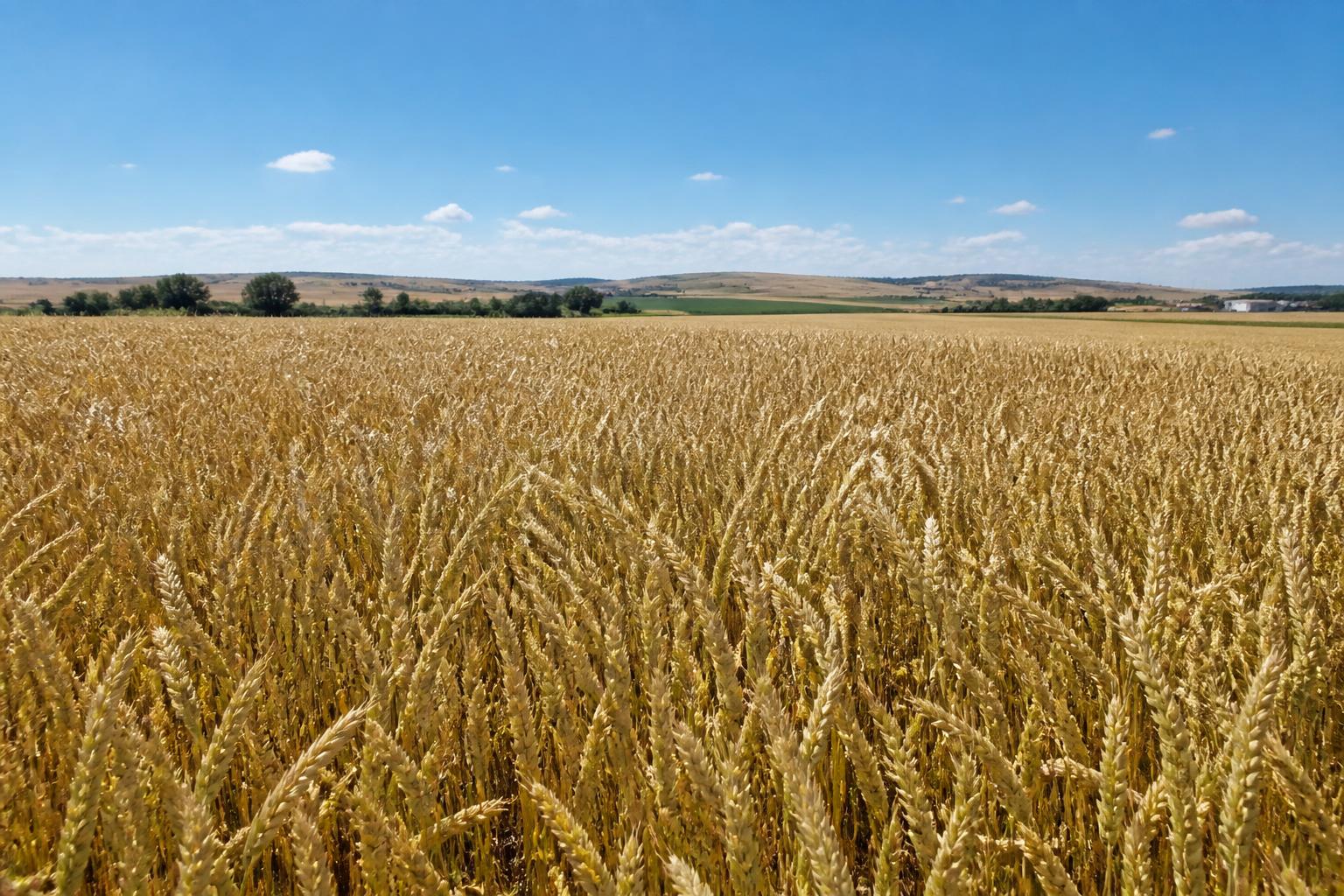
Market Trends and Grain Resilience
As of late July 2026, grain markets have shown signs of modest recovery, with wheat closing in positive territory. For farmers in Connecticut, these price movements serve as a critical reminder of the importance of maintaining flexible marketing strategies during the height of the summer growing season. Producers navigating mid-summer grain trends often face distinct logistical challenges, particularly when balancing crop maintenance with the anticipation of later-season harvest requirements.
Understanding how global market fluctuations impact local operations is essential for regional growers. While national indices often dictate the broader narrative, local producers should remain mindful of how shifts in commodity sentiment might influence feed costs and storage decisions across New England's agricultural corridors.
Fertilizer Volatility and Operational Planning
Beyond the grain pits, concerns regarding input costs remain a top priority for agribusinesses. Ongoing geopolitical instability, particularly in regions impacting global energy and logistics, has kept upward pressure on fertilizer prices. For the Connecticut grower, this environment underscores the necessity of early procurement planning and efficient resource management.
Effective corn production and management strategies frequently require a keen eye on these variable expenses. In regions with intensive soil management requirements, securing necessary inputs ahead of potential supply chain tightening can provide a necessary buffer against market uncertainty.
What it means for the market
The convergence of resilient grain prices and elevated input costs creates a complex environment for Connecticut farms. Success in the current season will likely depend on a producer's ability to monitor these international pressures while focusing on local operational efficiency. Monitoring market updates closely and maintaining lean, responsive logistics will be vital as we move through the remainder of the summer months.
Comments
No comments yet - be the first to share your take.