
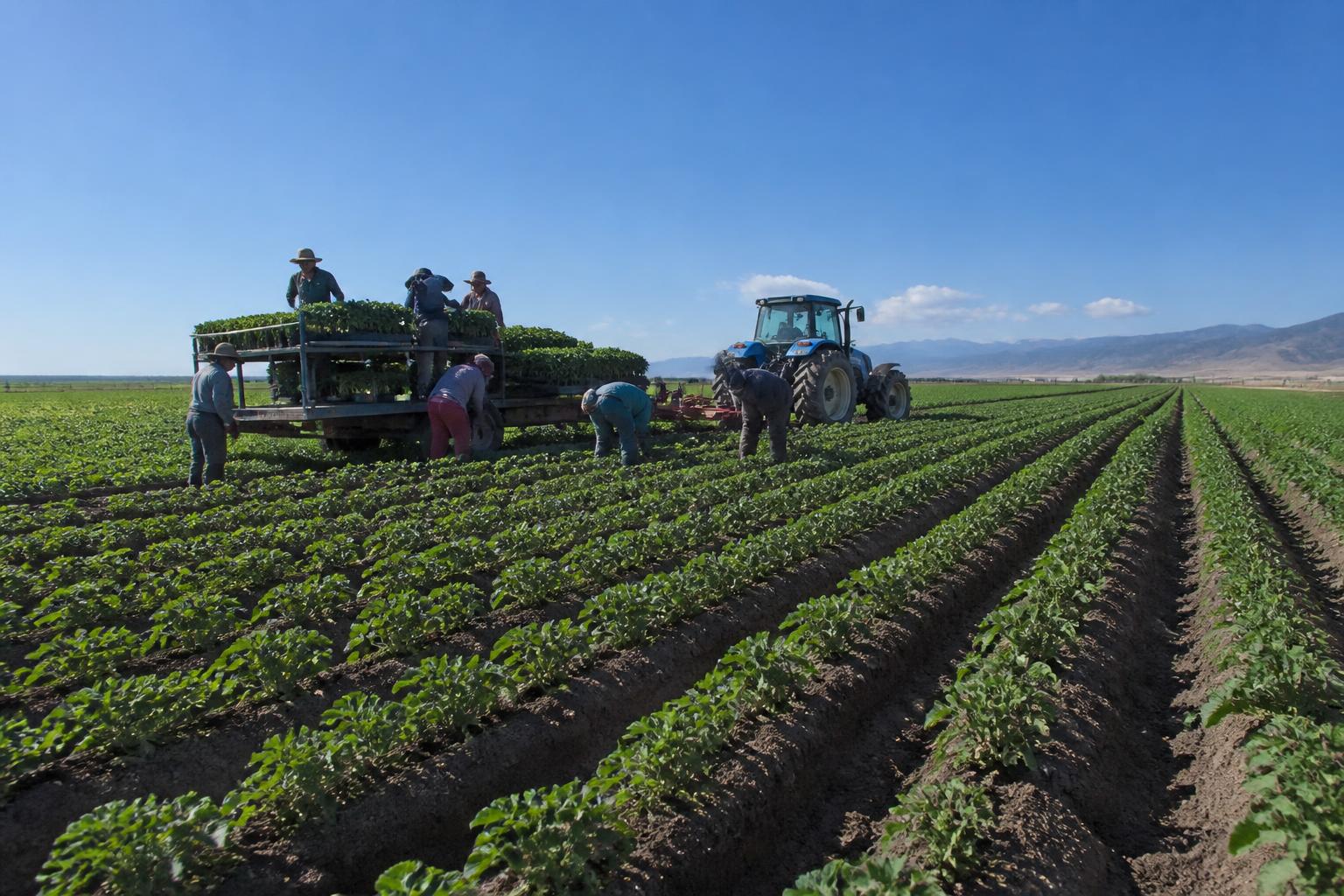
As we move through the heart of the summer season, Idaho producers are keeping a close eye on administrative developments that could impact risk management strategies. Recent policy reversals by the USDA regarding crop insurance adjustments have provided a measure of relief for many in the industry, marking a pivot that farm groups across the state have largely welcomed as a step toward more stable operational planning.
Bolstering Rangeland Resiliency
Beyond federal policy, local logistics and safety remain top of mind. Collaborative efforts to mitigate environmental risks continue to gain traction, with insurance sectors providing sustained financial support for Rangeland Protection Fire Associations. This funding is critical for ensuring that rural operations remain shielded from the increasing threat of wildfire damage during these peak heat months. For those managing livestock or expansive acreage, such investments often serve as a vital component of broader regional safety initiatives.
Operational Planning in a Shifting Environment
With planting seasons completed and fields entering critical growth stages, Idaho farmers are balancing these structural supports against broader market pressures. Whether dealing with input costs or navigating the complexities of regional land use, producers are frequently looking for ways to streamline their long-term viability. As producers adapt to rising input costs, the integration of both financial risk management and on-farm safety improvements remains a common strategy for maintaining thin margins.
Understanding these developments is essential for operators managing land from the Snake River Plain to the high-country grazing lands. As water stability and land management remain central topics, staying informed about support programs is key to protecting productive footholds.
What it means for the market
For grain handlers and agribusinesses, the recent alignment on crop insurance standards suggests a more predictable risk environment for the coming harvest. While global commodity fluctuations—often driven by tensions in major grain-producing regions abroad—can continue to influence local price points, the domestic focus on policy stability and resource protection helps anchor local supply chains during the peak summer months.
Comments
No comments yet - be the first to share your take.