
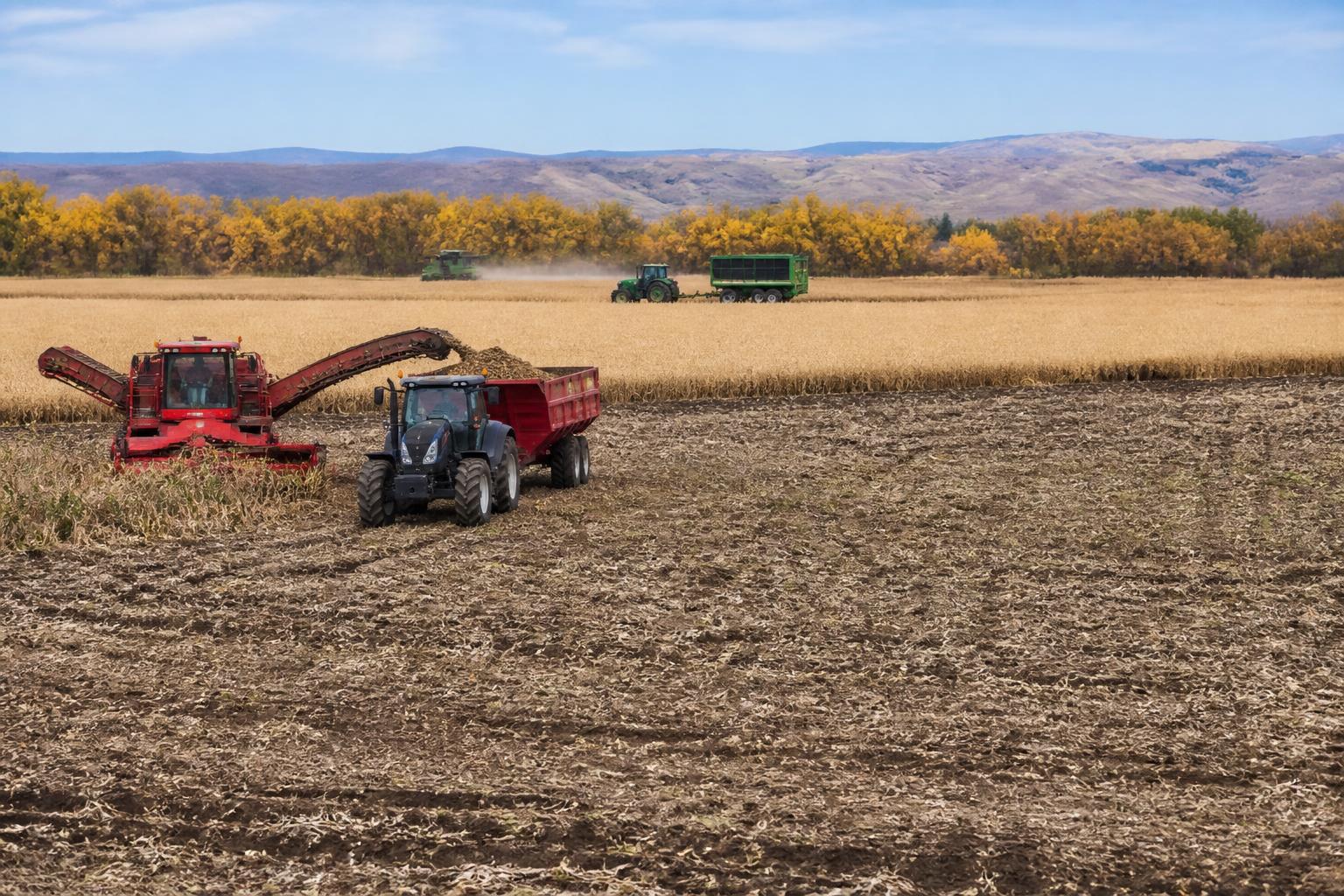
As the fall harvest gains momentum across Idaho, the agricultural community remains focused on balancing immediate logistical pressures with long-term production sustainability. From the rolling fields of the Snake River Plain to regional hubs across the state, farmers are assessing yields and fine-tuning their operations to manage shifting crop priorities.
Market signals and production research are prompting many in the industry to re-evaluate traditional rotations. Recent discussions, including those highlighted at major grower-shipper gatherings, underscore a trend toward diversifying crop portfolios. In some instances, producers are exploring alternatives like spring wheat, moving away from more conventional acreage in response to broader shifts in commodity demand and regional harvest pressures.
Refining Input and Operational Efficiency
Managing the bottom line remains a top priority for Idaho agribusinesses. With fertilizer costs and application efficacy playing a significant role in operational margins, there is renewed interest in technologies and methods that maximize nutrient uptake and minimize waste. Proactive management of common challenges, such as weed competition in small grains and specialized crop nutrition, continues to be a focal point for those looking to protect yields during this critical period.
Sustainability and Long-Term Outlook
The resilience of the Idaho agricultural sector often hinges on its ability to adapt to environmental and economic variables. As operations shift toward more modern, resource-efficient practices, industry stakeholders are paying closer attention to regional research outcomes. Whether navigating fall harvest efficiency or optimizing soil health, the emphasis on data-driven decision-making is more prevalent than ever among local growers.
What it means for the market
For grain handlers, carriers, and input suppliers, this season demands high coordination. Expect localized transportation bottlenecks as harvest volumes ramp up. For producers, the current environment emphasizes the need for flexible storage solutions and a tight grasp on input expenditure to maintain stability in a shifting market landscape.
Comments
No comments yet - be the first to share your take.