
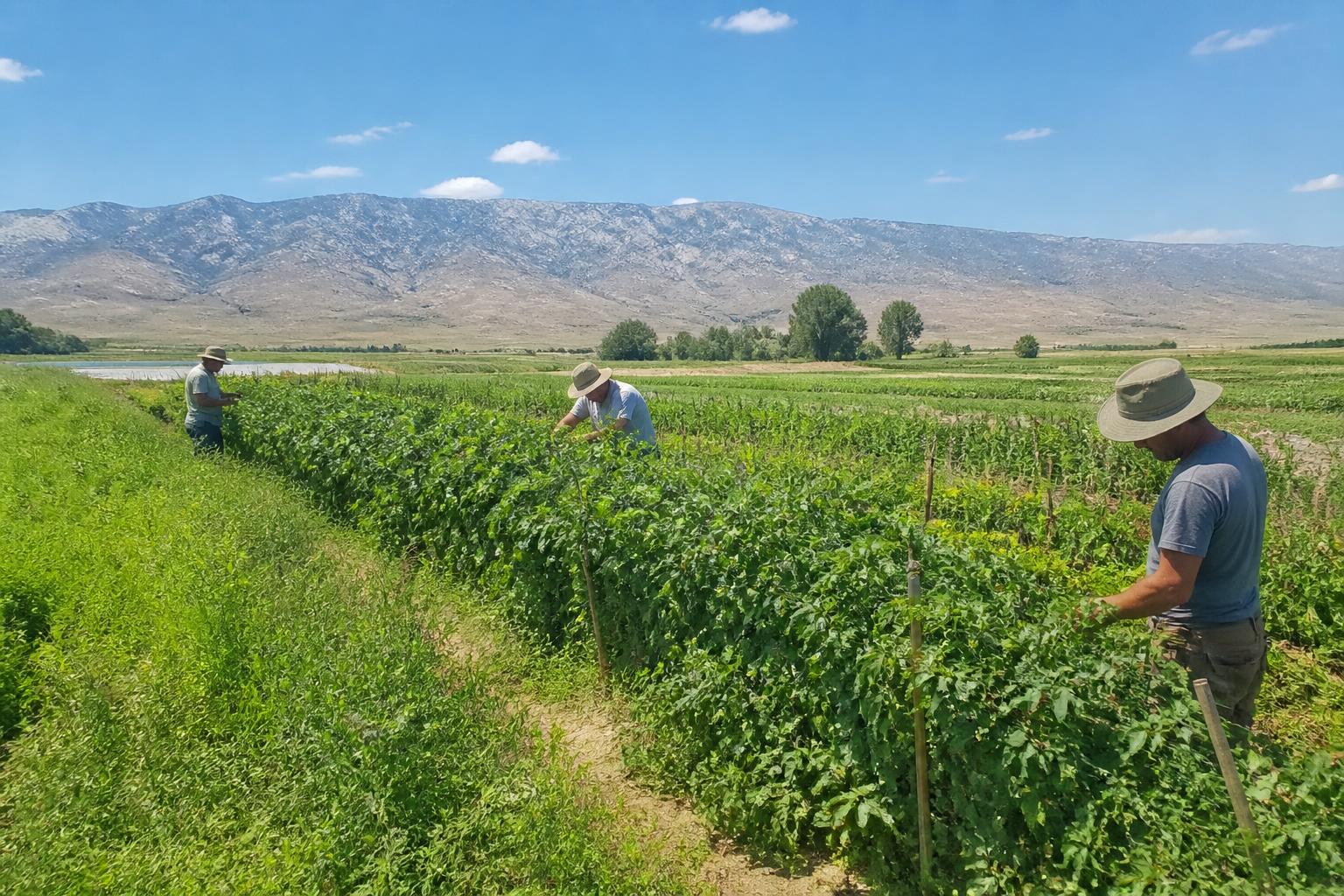
Adapting to Evolving Resource Realities
As the summer harvest cycle gains momentum across Idaho, the agricultural sector finds itself balancing productive output with the complexities of resource management. Producers are currently navigating a landscape where water security remains at the forefront of operational planning. Following the passing of key deadlines in state water negotiations, many growers are adjusting their irrigation strategies to ensure crop viability during these critical months of peak heat.
These logistical and environmental hurdles are further compounded by ongoing discussions regarding land-use policies. As development pressures rise in productive agricultural corridors, stakeholders are increasingly focused on protecting Idaho's productive footholds, ensuring that the infrastructure necessary for long-term viability remains secure against encroaching non-agricultural interests.
Crop Resilience and Industry Research
Field reports suggest that despite the variable weather patterns observed earlier this year, many grain crops have shown surprising resilience. This stability provides a vital buffer as farmers move toward completion of summer field work. Meanwhile, the integration of new science continues to support regional competitiveness. Ongoing research into herbicide efficacy for emerging specialty crops, such as hemp, demonstrates a commitment to modernizing farm management tools even as traditional sectors adapt to fluctuating environmental conditions.
What it means for the market
For agribusinesses and logistics providers, the current environment necessitates flexibility. While crop yields remain a focal point of local market discussions, the real-world impact of stalled water negotiations and land-use legislation may influence mid-term expansion plans and input demand. Monitoring regional policy updates will be essential for those looking to maintain stable operations through the remainder of the growing season.
Comments
No comments yet - be the first to share your take.