
Virginia's agricultural sector continues to show resilience as producers look toward long-term efficiency and modernization. Throughout the Commonwealth, from the rolling hills of the Shenandoah Valley to the fertile fields of the Tidewater region, the focus is increasingly on how to leverage new technology and infrastructure to optimize production. Whether through significant capital investments in local logistics and distribution networks or by integrating modern data-driven management practices, Virginia's agribusinesses are positioning themselves for a future defined by efficiency.
Infrastructure Investment and Efficiency
Recent activity in the feed and processing industries underscores a commitment to boosting local capacity. Major investments, such as regional feed mill expansions, are playing a critical role in strengthening the vertical integration of poultry operations. By bolstering these logistical hubs, the industry aims to streamline the movement of essential inputs, helping to mitigate some of the common pressures associated with transport costs and seasonal demand cycles. For many, these improvements are not just about volume but about creating a more reliable, locally supported supply chain that can better withstand market volatility.
Land Use and Strategic Ag-Diversification
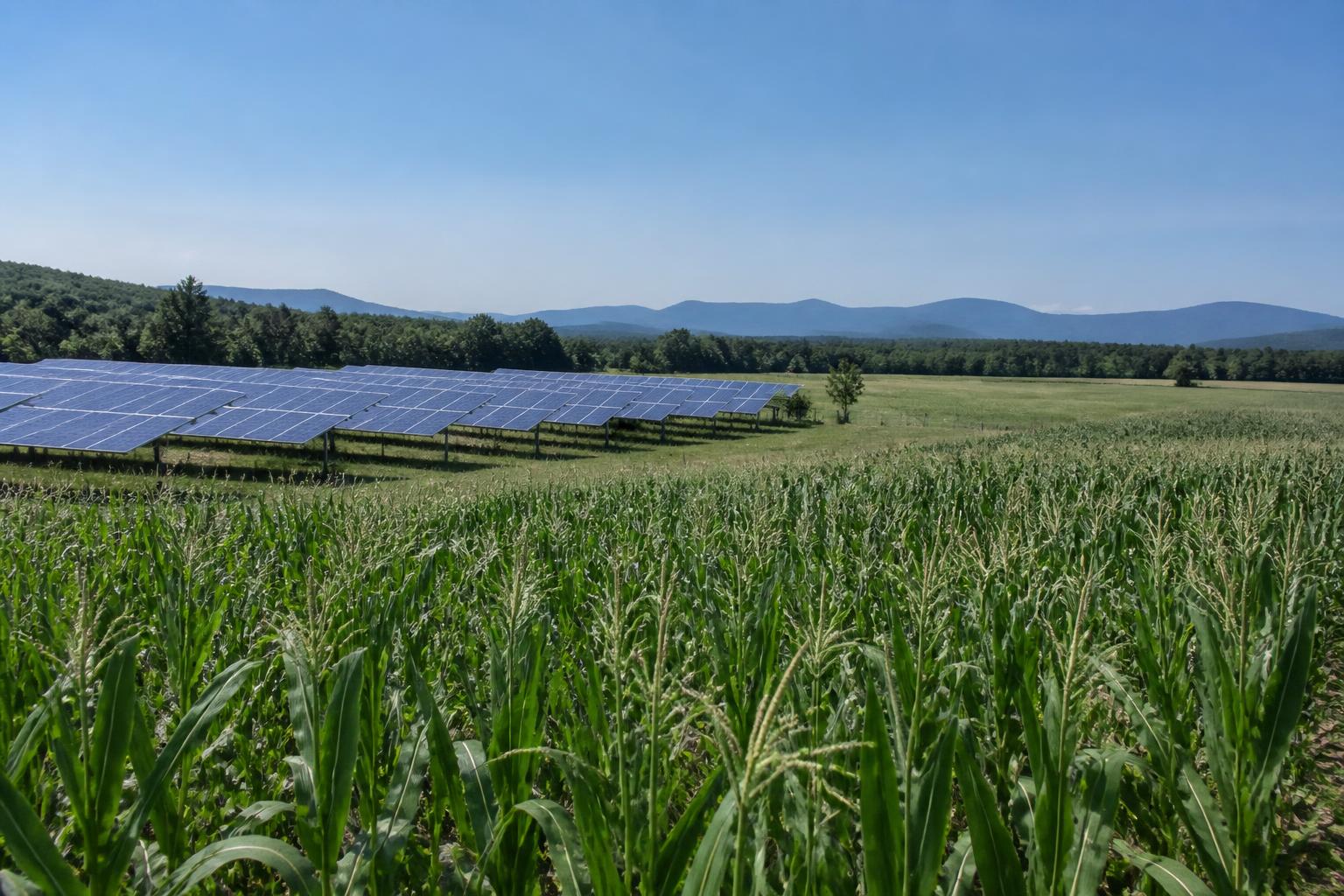
As state-level discussions regarding land management and conservation continue, farmers are increasingly navigating the complexities of multi-use agricultural land. The ongoing conversation around solar facility placement has highlighted the importance of local autonomy in land-use planning, ensuring that farmland remains productive while allowing for the adoption of renewable energy technologies. Balancing these land-use priorities is central to modern farm management, as producers look to optimize their operations in an era of shifting regulatory environments and land competition.
What it means for the market
For grain handlers, carriers, and input buyers across Virginia, these developments signal a need for closer alignment with local infrastructure growth. As the industry shifts toward higher levels of digital adoption and capital-intensive facilities, the market is favoring those who can synchronize their operations with these evolving logistical realities. Proactive communication between transport providers and local processors will remain essential for maintaining steady product flow throughout the remainder of the summer season.
Comments
No comments yet - be the first to share your take.