
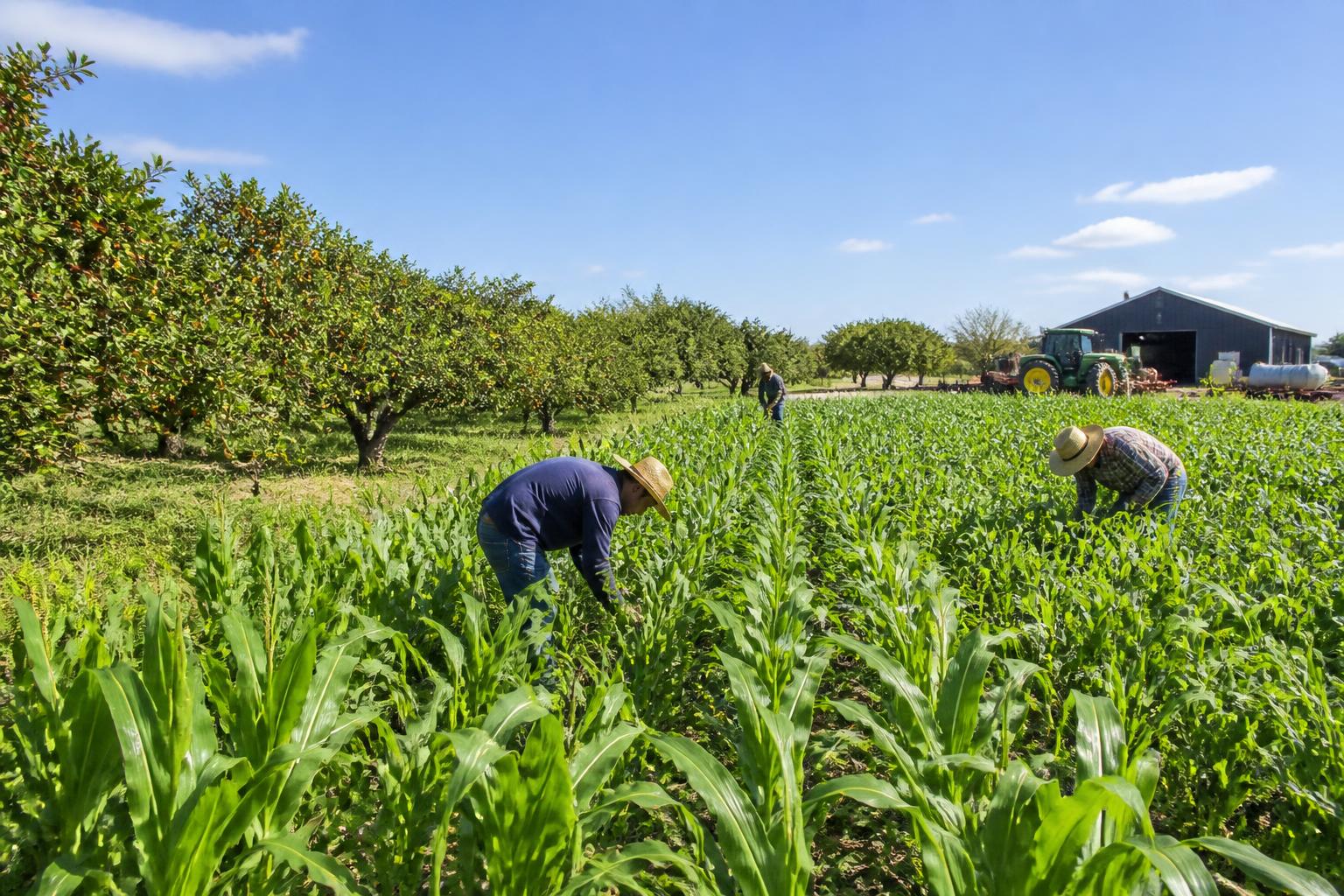
For New Mexico producers, the summer season brings a unique set of logistical challenges and market considerations. As harvest activities and field maintenance continue, many agribusinesses are finding that regional supply chain costs remain a primary driver of overall farm-level expenses. Whether managing irrigation logistics or preparing for transport-heavy windows, efficiency remains critical as broader market pressures impact the bottom line for growers and elevator operators alike.
Understanding the shifting regional input costs is essential for producers navigating this environment. Supply chain volatility, often influenced by wider domestic and international economic factors, can ripple through to the local level, affecting the availability and pricing of essential resources. Staying informed on these trends allows for more agile decision-making, particularly when coordinating the movement of crops or inputs across state lines or through key regional corridors.
Managing Trade and Transport Risks
The agricultural landscape in New Mexico is frequently influenced by trade dynamics with neighboring countries, which can introduce uncertainty into standard logistics planning. Changes in trade policy or international agreements often impact the flow of commodities and specialized equipment. For those engaged in long-haul transport or cross-border coordination, monitoring these developments can help in anticipating shifts in demand or potential bottlenecks at regional hubs. Producers should remain aware of how these evolving trade dynamics might intersect with their own operational schedules, especially as harvest windows approach.
Operational Efficiency in a Variable Market
In addition to trade-related variables, local producers must contend with the day-to-day realities of infrastructure and service demands. Whether operating in the high desert regions or the more agricultural-focused areas of the eastern part of the state, maintaining high operational standards is key to overcoming inflationary pressures. By focusing on localized storage solutions and tightening logistics routes, businesses can often mitigate some of the broader, uncontrollable cost spikes that currently affect the U.S. agricultural sector.
What it means for the market
For New Mexico farmers and handlers, the current environment necessitates a proactive approach to supply chain management. While external factors such as global trade and energy costs remain largely outside of individual control, focusing on regional logistical efficiencies and staying updated on local market trends can provide a buffer. By optimizing transport windows and carefully managing input stockpiles, producers are better positioned to sustain productivity despite the persistent inflationary pressures facing the broader U.S. agricultural market.
Comments
No comments yet - be the first to share your take.