
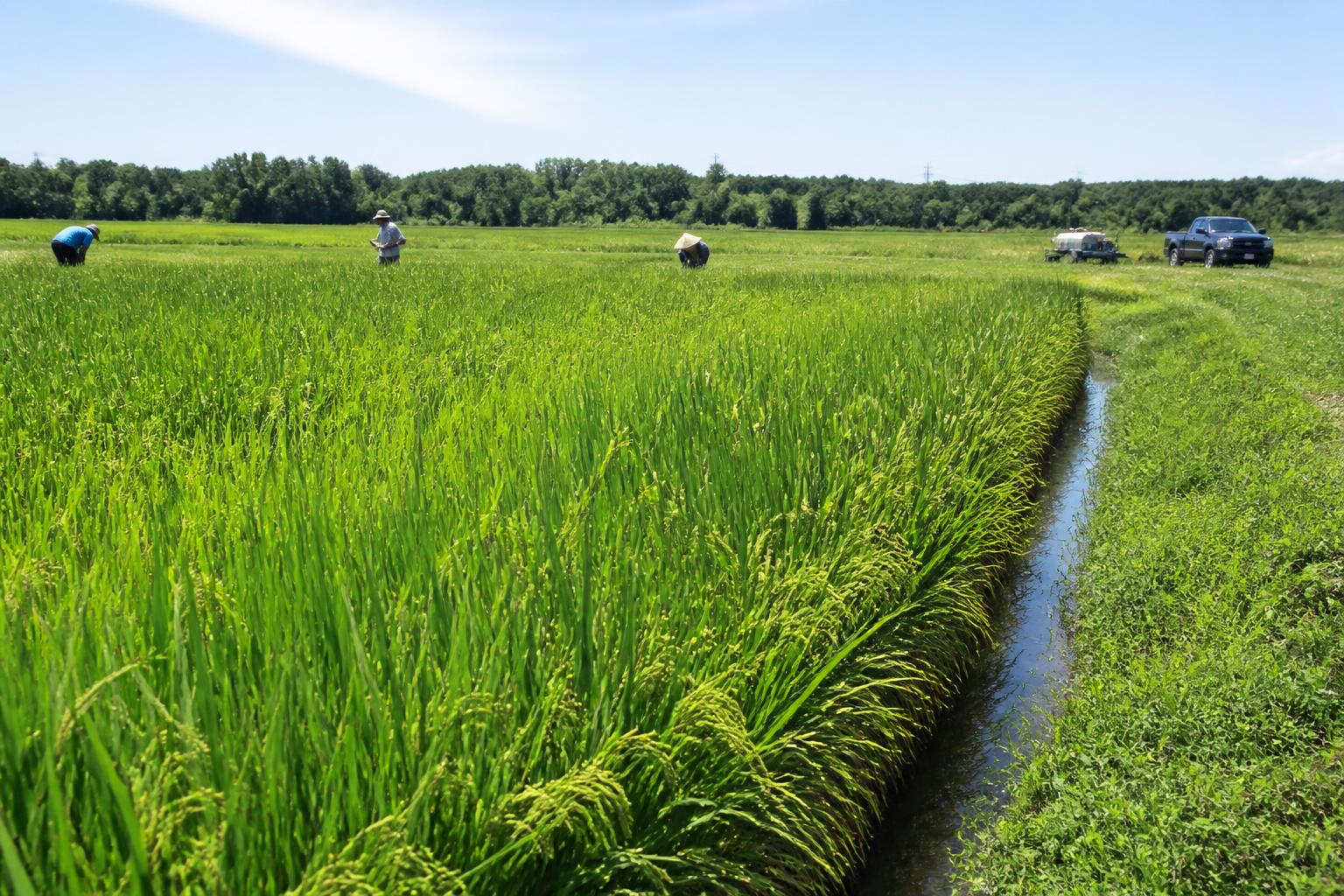
The Cost-Price Squeeze for Missouri Rice Growers
As the summer growing season progresses in Missouri, producers are navigating a challenging economic landscape. Many rice farmers report that despite fluctuations in market pricing, the persistent elevation of input costs, particularly for fertilizer, continues to put significant pressure on bottom lines. This trend of rising operational expenses, often stemming from broader supply chain and energy factors, can create a difficult environment for maintaining historical profit margins.
For growers across the Bootheel and other key rice-producing regions, managing these high costs is critical. Producers are increasingly looking toward maintaining stability through careful economic planning and yield optimization. When market gains fail to keep pace with the necessary investment in nutrients and inputs, the focus naturally shifts to maximizing the efficiency of every acre currently in production.
Adopting Sustainable Efficiencies
In response to the current market climate, there has been a notable movement toward agricultural practices that prioritize both land health and long-term cost reduction. By adopting strategies that improve soil structure and nutrient uptake, farmers may be able to mitigate some of the reliance on high-cost synthetic fertilizers. These efforts to improve the land not only support environmental goals but are also becoming a pragmatic business necessity for those looking to improve operational resilience.
Managing logistics and precision during the lead-up to harvest is equally vital. For those managing inventory or preparing for grain movement, ensuring precision in grain weighing and sales documentation remains a cornerstone of protecting revenue. As harvest approaches, maintaining strict control over scale accuracy and delivery logistics can prevent unnecessary loss in what is already a high-stakes financial environment.
What it means for the market
The Missouri rice sector is in a phase of tight margin management. For farmers and agribusinesses, the primary takeaway is that efficiency in input use and meticulous attention to post-harvest logistics are likely the most effective levers available to counteract current price imbalances. Monitoring regional cost trends and prioritizing precise management will be essential as the harvest window nears.
Comments
No comments yet - be the first to share your take.