
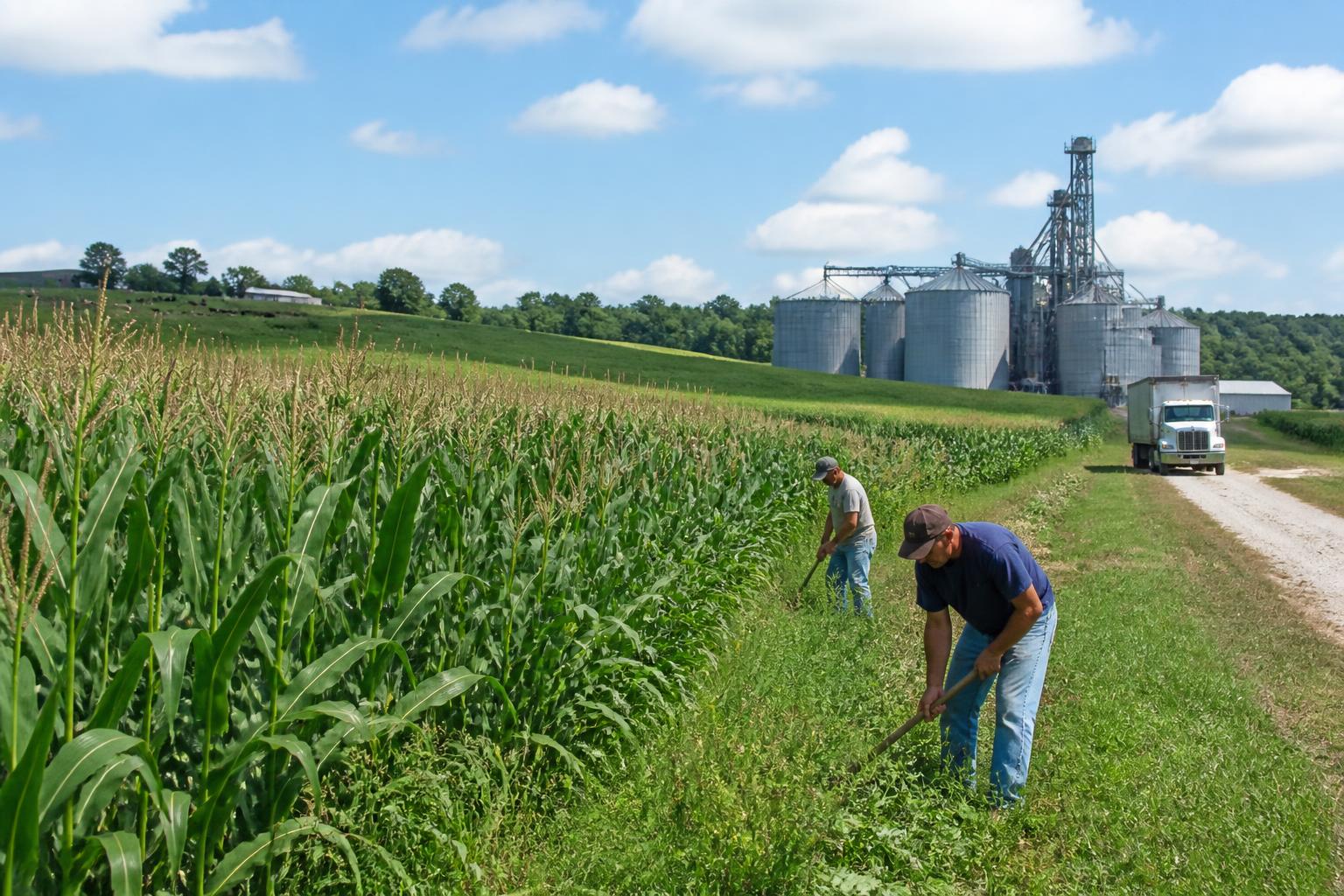
South Dakota producers and agribusinesses are seeing a period of concentrated focus on supply chain resilience this summer. As the growing season advances, the reliability of transportation networks remains a critical factor for local grain handlers and input suppliers. Recent federal funding initiatives aimed at strengthening transit corridors along the I-90 artery are providing a foundational boost for logistics, which may help mitigate some of the common bottlenecks experienced during high-volume shipment windows.
New developments in grain handling infrastructure, including planned shuttle loading facilities, signal a push toward increased speed and capacity for moveables across the state. For regional producers, these improvements represent a potential shift in how grain reaches end markets. Effective logistics management is increasingly essential as the industry navigates the complexities of fluctuating demand and the logistical demands of a modernizing agricultural supply chain.
Infrastructure and Regional Growth
The commitment to upgrading transportation routes in South Dakota is particularly relevant for those operating in the southeast region, where new grain shuttle projects are set to come online. These facilities are designed to handle larger volumes of grain, theoretically allowing for more efficient loading and movement. For carriers and elevators, this may lead to improved turnaround times and more streamlined access to broader export channels.
Market Considerations for Agribusiness
With ongoing discussions at the federal level regarding the oversight of fertilizer transportation and sales reporting, stakeholders are monitoring how regulatory changes might impact input procurement costs. The interplay between physical infrastructure and policy updates creates a dynamic environment for anyone managing inputs or grain distribution. Staying agile in both planning and transportation procurement remains a prudent strategy for businesses looking to optimize their performance throughout the remainder of the summer months.
What it means for the market
The convergence of infrastructure investment and new terminal development suggests a long-term focus on lowering the cost of transit for South Dakota farmers. While these projects evolve, market participants should prioritize communication with logistics partners to account for potential road work or construction-related delays, ensuring that field-to-bin and bin-to-market transitions remain as smooth as possible during this busy time of year.
Comments
No comments yet - be the first to share your take.