
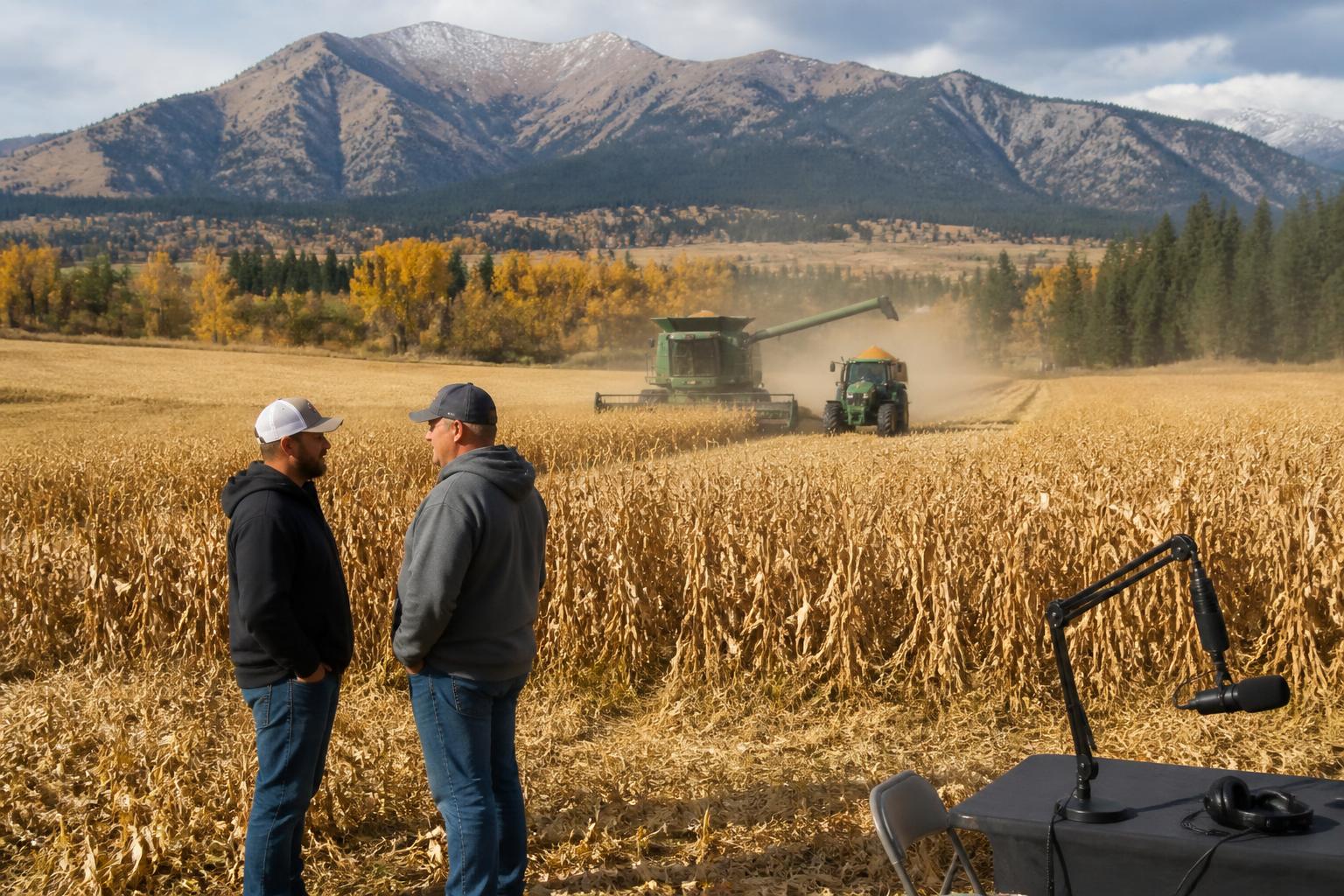
With the autumn harvest season now underway across Montana, the focus for many local agribusinesses and producers shifts toward the complexities of regional agrologistics. Maintaining a steady flow of commodities from elevators to major transit points remains a critical priority as regional grain handlers prepare for the seasonal influx of activity.
Producers navigating this year's harvest may find that proactive coordination with rail and trucking partners is essential to mitigate potential bottlenecks. Understanding how seasonal transitions impact supply chain reliability can provide a significant advantage when scheduling shipments through busy transit corridors. Ensuring that local infrastructure is prepared for these volumes helps maintain smoother operations across the state's agriculture-heavy regions.
Managing Transit Pressures
As the state's agricultural output moves toward processing and export markets, operators often encounter varying degrees of transit pressure. It is important to stay updated on the broader fall transit and supply chain outlook to anticipate potential fluctuations in equipment availability or service delays. By maintaining open lines of communication with carriers and regional facilities, handlers can better manage the movement of goods during these peak weeks.
What it means for the market
For Montana farmers and handlers, the current environment necessitates a dual focus on field efficiency and logistical foresight. As autumn progresses, those who prioritize communication with transport providers and stay informed on regional transit trends are better positioned to protect their margins, ensuring that grain moves reliably during this high-stakes time of the year.
Comments
No comments yet - be the first to share your take.