
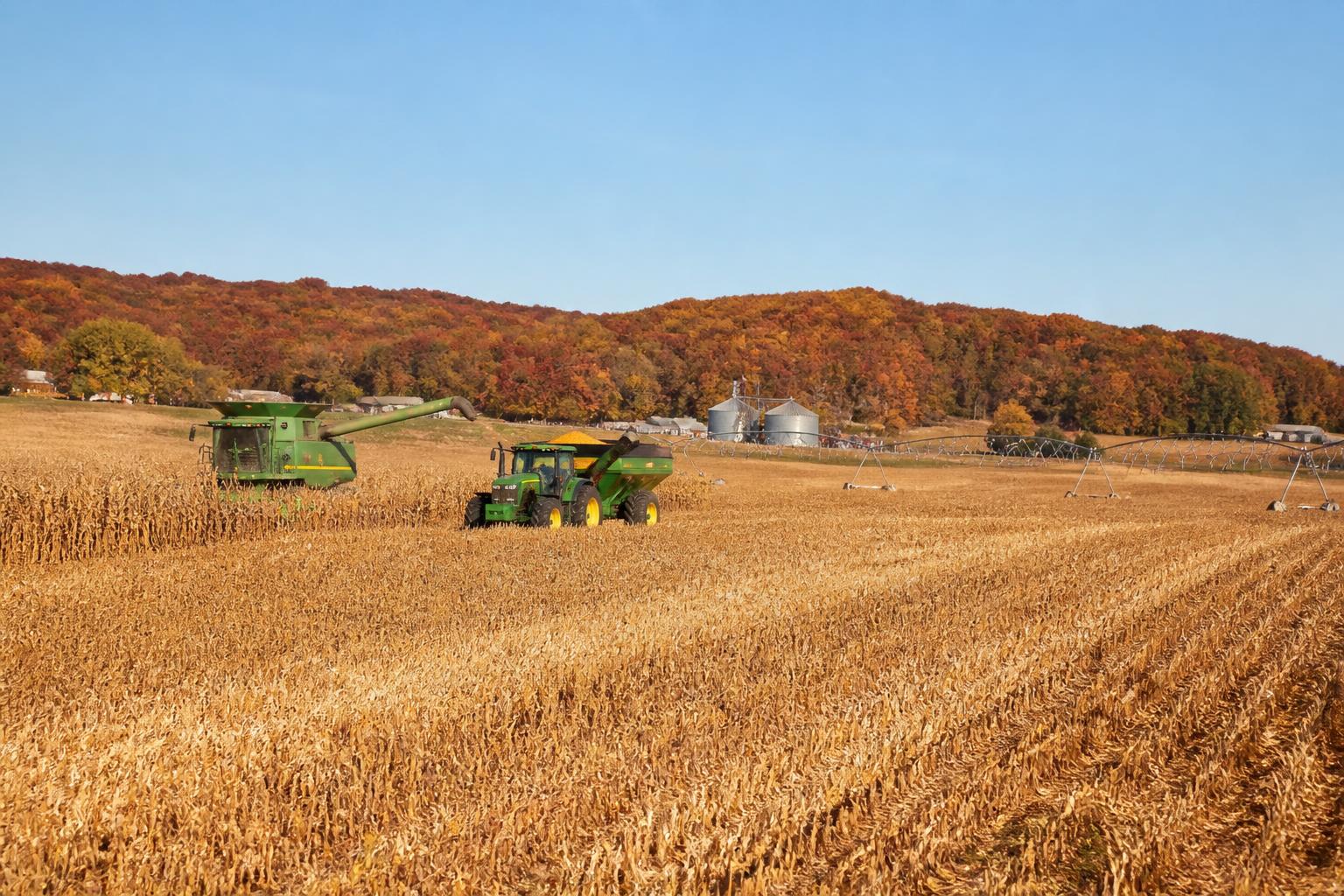
As Arizona enters the fall season, the agricultural sector continues to balance infrastructure growth with localized logistical pressures. Producers and agribusinesses are navigating a complex landscape where expansion projects, such as new liquid fertilizer facilities, signal long-term confidence in regional crop demand, while persistent labor shortages continue to impact timing for field-level operations.
Investment in production capacity remains a critical theme for those looking to secure essential inputs ahead of the coming cycles. The push for localized manufacturing may help mitigate some of the uncertainties associated with supply chains and price volatility, which have fluctuated amid broader economic pressures. Growers are encouraged to review their seasonal harvest and operational strategies as these capacity improvements come online.
Addressing Labor and Resource Realities
Labor remains one of the most significant variables for producers, particularly in high-output regions like Yuma. The scarcity of consistent manpower can ripple through harvest schedules, potentially forcing delays that impact shipping logistics and market access. Addressing these logistical realities requires careful coordination between field managers and regional transport providers to ensure that products move efficiently from the farm gate to the next node in the value chain.
Furthermore, the ongoing focus on resource management, particularly regarding water, continues to shape how acreage is managed across the state. Producers are increasingly exploring, or at least reconsidering, native and drought-resilient crops that require fewer synthetic inputs, offering a potential hedge against both fertilizer price spikes and water scarcity.
What it means for the market
For grain handlers and input buyers, the combination of new localized fertilizer production and persistent labor challenges suggests a shifting operational model. While domestic production increases may stabilize supply, the ongoing labor constraints will likely reward those who secure logistics and staffing commitments well ahead of peak seasonal demand. Keeping a close watch on regional infrastructure projects and local employment trends will be essential for maintaining a competitive edge in the Arizona market throughout the remainder of the fall.
Comments
No comments yet - be the first to share your take.