
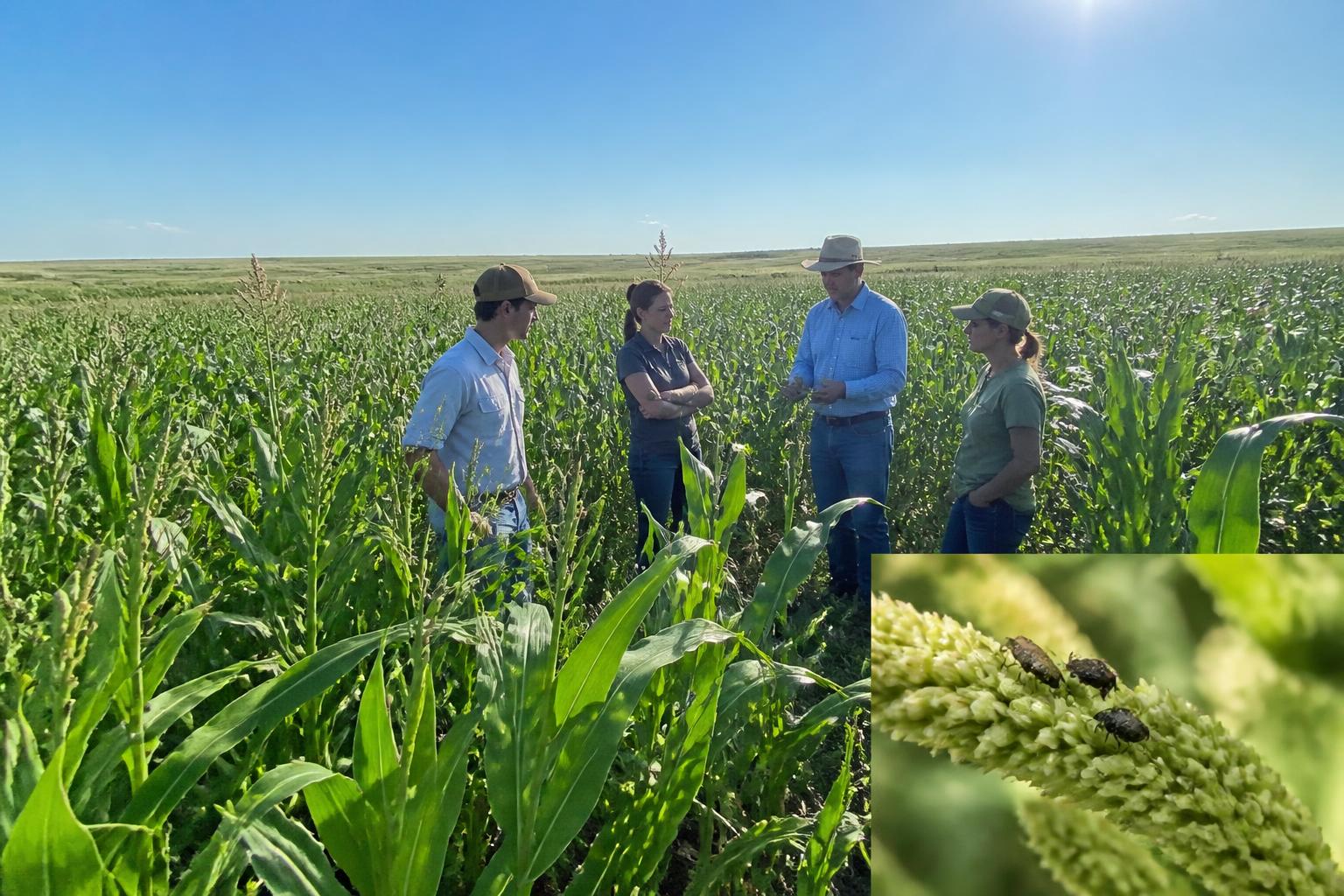
Optimizing Mid-Season Corn Management
For producers across the western regions of North Dakota, the peak of summer brings intense focus to crop health and final management stages. As fields hit critical development milestones, maintaining consistent crop monitoring can be a deciding factor in yield potential. Whether checking for moisture stress or evaluating pest pressure, farmers are currently navigating the complexities of the late-season environment to ensure their crop reaches maturity efficiently.
Understanding the nuances of local grain market storage and basis trends is particularly vital during this period. As the landscape begins to turn toward the upcoming harvest cycle, proactive management of existing infrastructure and input needs is standard practice for maintaining operational momentum.
Tactical Considerations for Western Fields
In regions where weather conditions can be highly variable, maintaining field-level intelligence is paramount. This includes keeping a close watch on potential invasive species that might interfere with late-stage growth or influence post-harvest quality. Managing these variables effectively requires balancing time-tested agronomic practices with current localized data to mitigate risk before the combine reaches the field.
Agribusinesses and transport providers should also stay alert to the evolving needs of the harvest season. As maturity approaches, communication between elevators and growers becomes the primary driver for efficient supply chain movement, helping to avoid bottlenecks when volume increases later in the year.
What it means for the market
For North Dakota producers and industry stakeholders, the current market is defined by preparation. By focusing on field maintenance and logistical readiness now, growers can better position themselves to navigate potential volatility as the season transitions, ensuring that storage and handling resources are optimized for a smooth harvest transition.
Comments
No comments yet - be the first to share your take.