
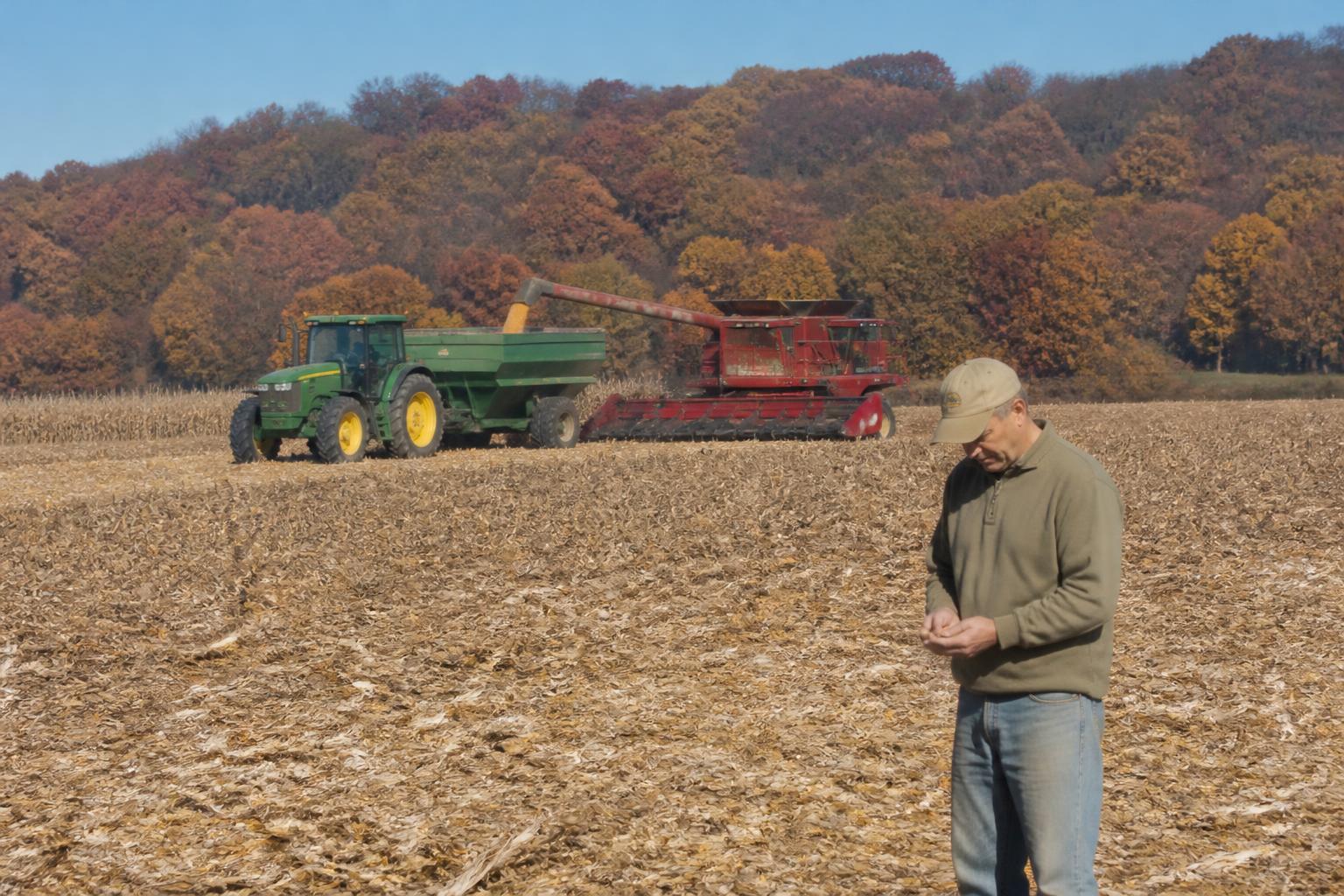
As Tennessee producers move through the fall harvest, the agricultural landscape remains a mix of modest productivity and persistent economic headwinds. While many farmers across the state report that this season is not yielding a bumper crop, the general sentiment remains pragmatic, with producers focused on securing the harvest currently in the field.
Operational efficiency has become critical as producers contend with ongoing market shifts. High input costs, particularly for diesel and fertilizer, continue to create a tight margin environment. These expenses are affecting a wide range of operations, from grain producers to cattle ranchers, who are seeing unexpected pressure on their bottom lines. Producers are encouraged to review their recent fuel market updates and logistics strategies to mitigate potential losses during this final push of the year.
Managing Seasonal Constraints
Weather patterns in Tennessee have added another layer of complexity this season. Fluctuating conditions have required producers to be agile, balancing the timing of their harvest with potential moisture risks. The ability to monitor field conditions closely is essential, as localized weather events can significantly influence grain quality and storage decisions at local elevators.
Optimizing Market Position
With market volatility remaining a key concern, agribusinesses and independent farmers are leaning into advisory resources to better understand regional trends. Managing these economic factors alongside labor and fuel availability is a priority for those looking to stabilize their operations heading into the winter months. Proactive communication with grain handlers and logistics providers remains the best way to ensure smooth movement of goods as volume increases toward the end of the harvest window.
Key Takeaways
- Input costs, notably for diesel and fertilizer, continue to place financial strain on Tennessee producers.
- Harvest volumes are generally reported as moderate, requiring careful management of stored crops.
- Weather and logistics remain the primary variables influencing near-term market readiness.
What it means for the market: Producers should anticipate sustained pressure on profit margins through the end of the year. Prioritizing efficiency in logistics and maintaining a close watch on regional market indicators will be vital for navigating the remainder of the fall season.
Comments
No comments yet - be the first to share your take.