
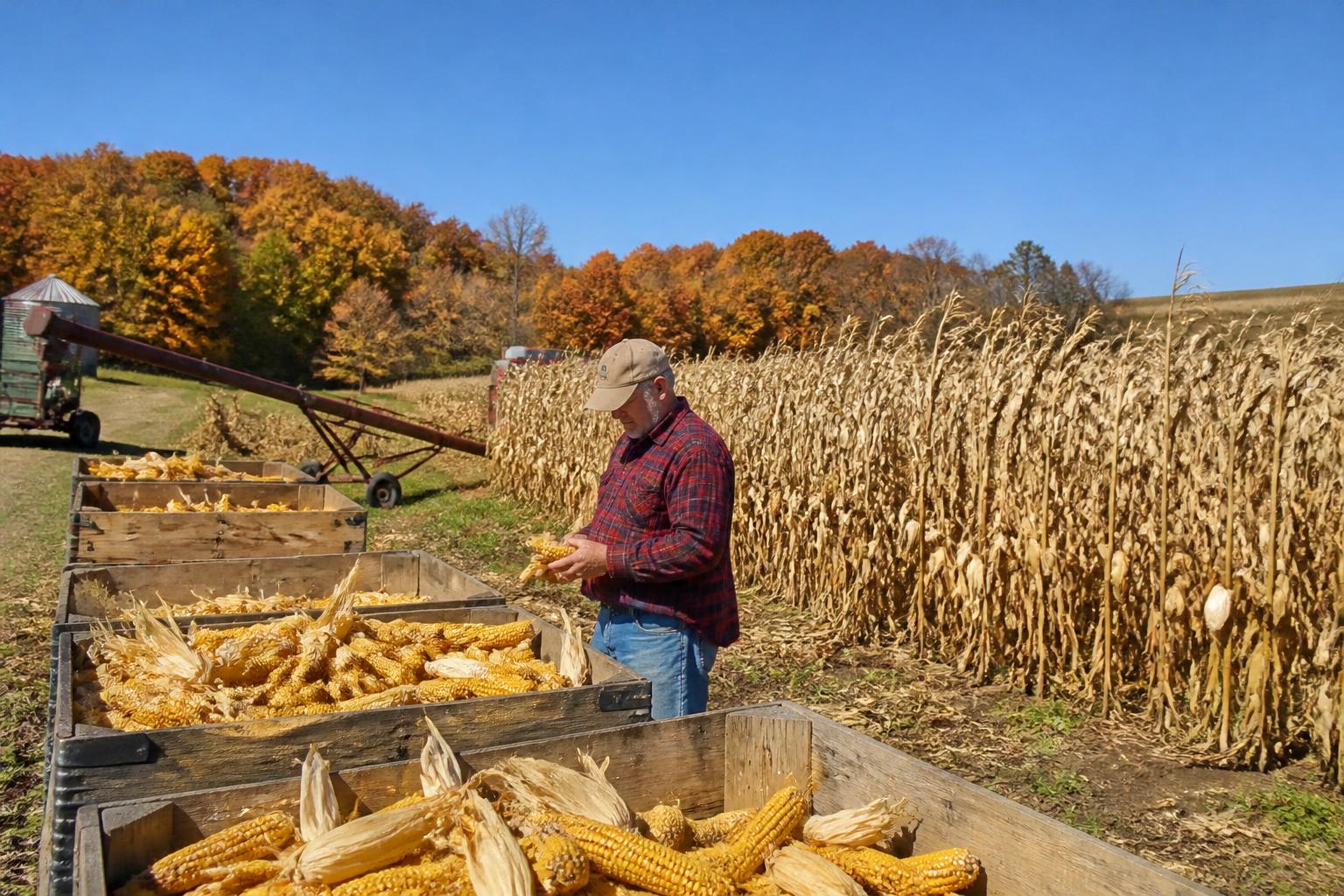
As California enters the heart of the fall season, grain handlers and agribusinesses across the state are recalibrating their operational strategies. Market participants are keeping a close eye on the long-term potential of the state's updated E15 fuel legislation, which has sparked optimism among corn growers eyeing expanded demand in the domestic ethanol market. While these policy developments signal potential growth, they arrive during a period where local logistics networks are facing notable pressure.
Navigating Logistical and Operational Realities
The state's agricultural supply chain remains sensitive to shifts in transport availability, as recent volatility in the hauling sector has highlighted the importance of maintaining robust, flexible logistics. For many, this means closely monitoring the movement of bulk goods through major transport corridors and regional hubs. Producers and elevators may find that proactive coordination is essential to mitigate potential bottlenecks as harvest activities persist.
Understanding these dynamics is vital for those looking to buy grain in California, where local supply and demand are increasingly influenced by regional transport costs and regulatory oversight. As operations evolve, staying informed on current logistics trends will be a key differentiator for businesses looking to maintain a competitive edge.
Regulatory and Market Outlook
Beyond logistics, growers are managing an evolving landscape of oversight. From ongoing discussions regarding pesticide use to emerging biosecurity concerns in high-value crop regions, producers are finding that managing risk is as critical as yield management. As the state weighs increased oversight in various sectors, many operations are prioritizing investments in protection and infrastructure to ensure long-term viability in a changing market.
Because these shifts can impact everything from input costs to final delivery schedules, maintaining clear lines of communication with carriers and suppliers is recommended. Keeping abreast of operational pressures will remain a central theme for the remainder of the year.
What it means for the market
The current California grain landscape requires a cautious, forward-looking approach. While legislative changes like the E15 mandate provide a roadmap for future demand, current market players must balance this with the immediate realities of infrastructure, labor availability, and shifting regulatory compliance. For the remainder of the fall, success will likely favor those who prioritize supply chain transparency and adapt quickly to local logistical signals.
Comments
No comments yet - be the first to share your take.