
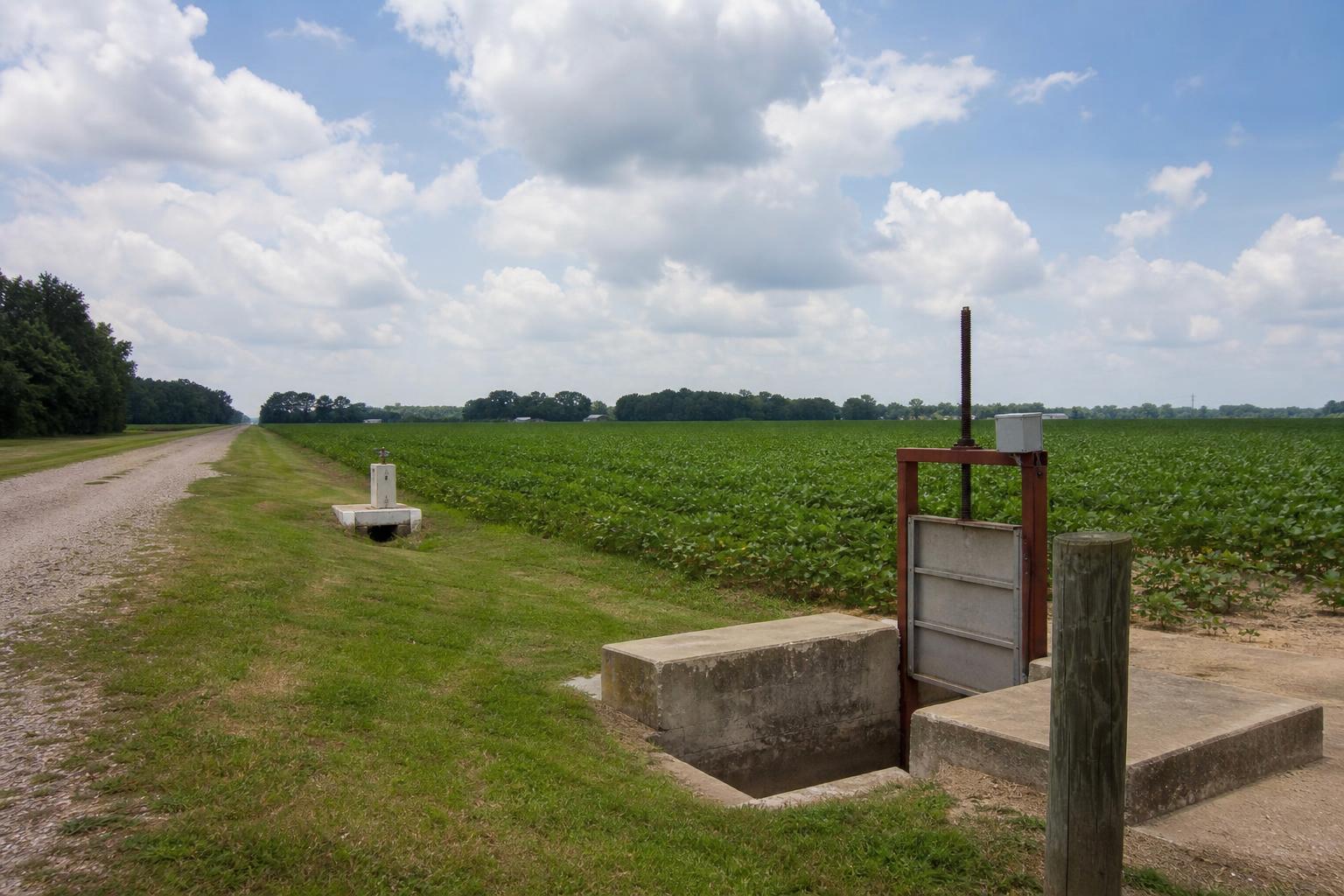
As summer settles over the Mississippi Delta, agricultural shippers and local growers are keeping a close watch on the state's transportation networks. Moving grain, poultry, and timber efficiently from local fields to deepwater ports requires a robust, reliable logistics network. However, seasonal shifts and aging infrastructure continue to present persistent hurdles for the state's agribusiness sector.
Mississippi's position along one of the world's most critical commercial waterways makes transport logistics highly dynamic. While the river network offers unparalleled access to global export hubs, it also exposes local operations to extreme weather patterns, ranging from severe spring floods to late-summer channel restrictions.
Navigating Mississippi's Transport Vulnerabilities
The state's geographic layout makes it inherently susceptible to water-related transport disruptions. From the fertile soils of the Delta down to the Gulf Coast, the regional transport system is heavily tied to the flow of the Mississippi River and its tributaries. While flooding is a major risk that can submerge local roadways and stall rail lines, the opposite extreme can be just as damaging. For instance, past seasons have shown how low Mississippi River levels threaten Mississippi's agricultural economy by restricting barge drafts and forcing shippers to seek more expensive overland alternatives.
Local logistics coordinators often struggle to balance these water-level fluctuations. When river transport slows or halts, the pressure shifts immediately to the state's highway corridors, such as Highway 49 and Highway 61, and regional short-line railroads. This sudden shift can quickly drive up local trucking rates and deplete available container capacity during critical shipping windows.
The Push for Infrastructure Upgrades to Maintain a Competitive Edge
To keep Mississippi commodities competitive on the world stage, industry experts emphasize the critical need for continuous infrastructure upgrades. Modernizing locks, dams, rural bridges, and port facilities is essential to prevent costly bottlenecks. Without these targeted improvements, regional growers risk losing their competitive edge to international competitors who are rapidly improving their own supply chains.
For grain handlers and elevators, managing these infrastructure bottlenecks requires careful planning. Proactive shippers are increasingly focusing on freight timing to secure capacity before regional logistics become congested. Understanding how to manage these shipping windows is critical, especially when coordinating transport ahead of major market shifts, as detailed in our guide on freight timing and basis moves.
Key Takeaways for Mississippi Shippers
- Monitor Waterway Status: Keep a close eye on river stages and barge draft restrictions, which directly influence regional truck and rail pricing.
- Diversify Shipping Modes: Establish relationships with both truck carriers and short-line rail operators to ensure backup options when river transit is compromised.
- Incorporate Buffer Time: Build extra lead time into summer delivery schedules to account for localized road maintenance and seasonal weight limits.
What it means for the market
For Mississippi's agricultural market, transport is the bridge between local production and global demand. As infrastructure demands continue to grow, shippers who proactively secure freight capacity and diversify their transport routes will be best positioned to protect their margins. In the face of unpredictable summer weather and river conditions, logistics flexibility remains the ultimate competitive advantage for Mississippi agribusinesses.
Comments
No comments yet - be the first to share your take.