
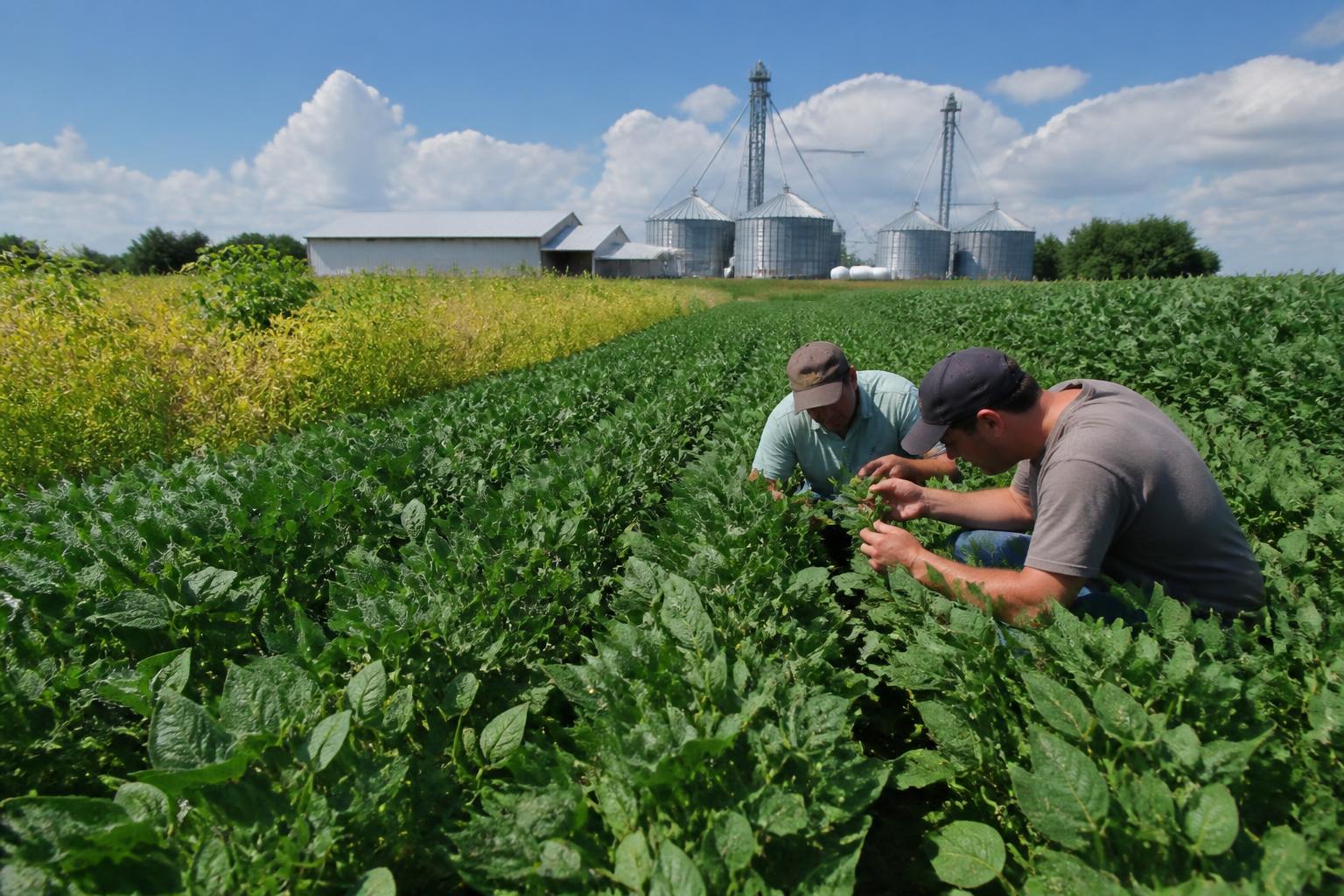
As we move through the heat of August, Nevada agricultural operations are balancing the demands of high-desert cultivation with broader trends affecting input procurement. Whether managing forage crops or navigating local niche markets, regional producers are increasingly attentive to how international supply chain fluctuations impact their bottom line.
The global fertilizer landscape continues to show signs of long-term evolution, with emerging product segments like microalgae-based fertilizers and continued demand for specialized metal chelates drawing industry interest. For Nevada farms, these developments often translate into a more complex decision-making process when planning for future nutrient applications, particularly given the specific soil conditions common across the high-desert landscape.
Managing Input Procurement and Logistics
For those managing high-desert transport costs, keeping a close eye on the logistics landscape remains vital for Nevada producers. As harvest schedules and input demand cycles shift, the ability to anticipate fluctuations in the price and availability of critical agricultural chemicals is essential. Producers are encouraged to evaluate their current inventory requirements against the potential for continued volatility in the broader supply sector.
Adapting to Operational Realities
While industry reports highlight shifts in the global potash market and competition among major fertilizer manufacturers, the local focus remains on efficiency. With the season in full swing, many operations are finding that leveraging regional resources—such as local virtual farm stands and direct-to-consumer initiatives—can help mitigate some of the pressures associated with wider market instability. Maintaining robust operational flexibility will be key as we head into the late summer months.
What it means for the market
The current climate suggests a continued period of adjustment for growers. By staying informed on global input trends while prioritizing local logistical efficiency, Nevada agribusinesses can better shield themselves from sudden shifts in input costs and supply chain bottlenecks as the harvest season unfolds.
Comments
No comments yet - be the first to share your take.